

Table of Contents
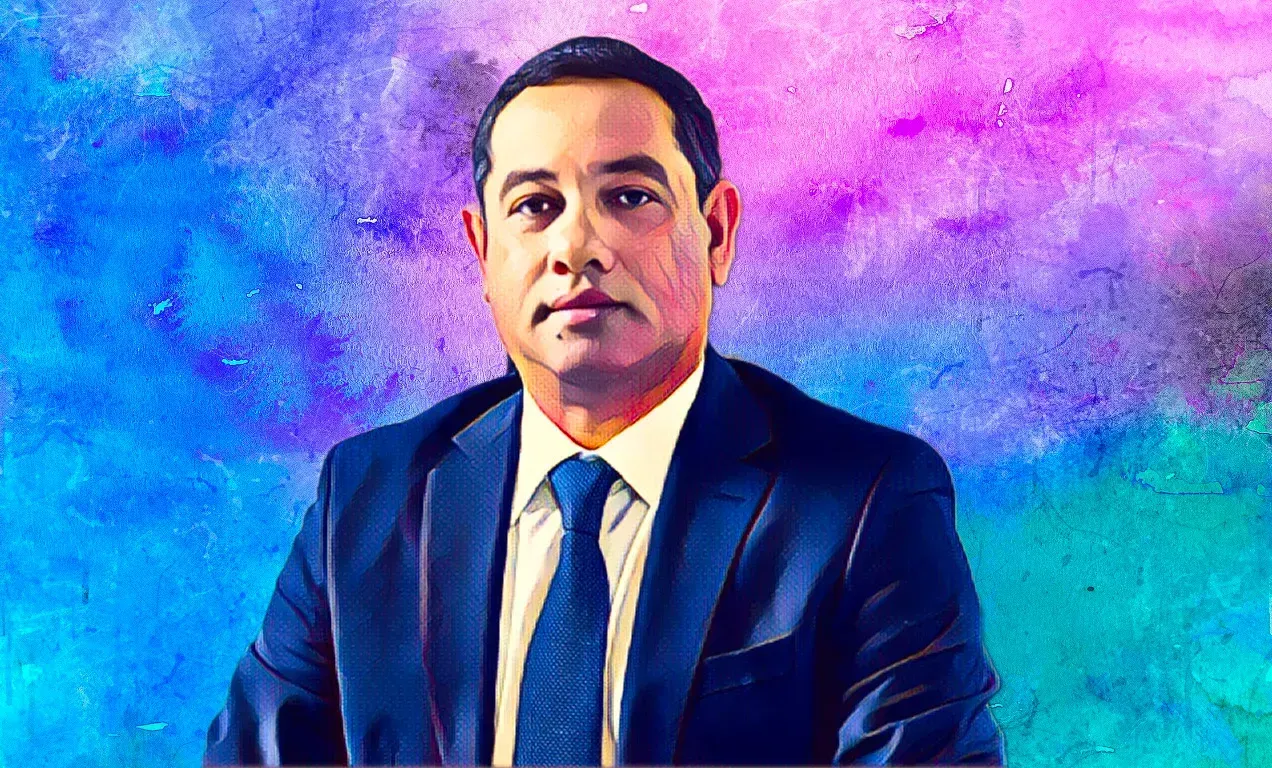
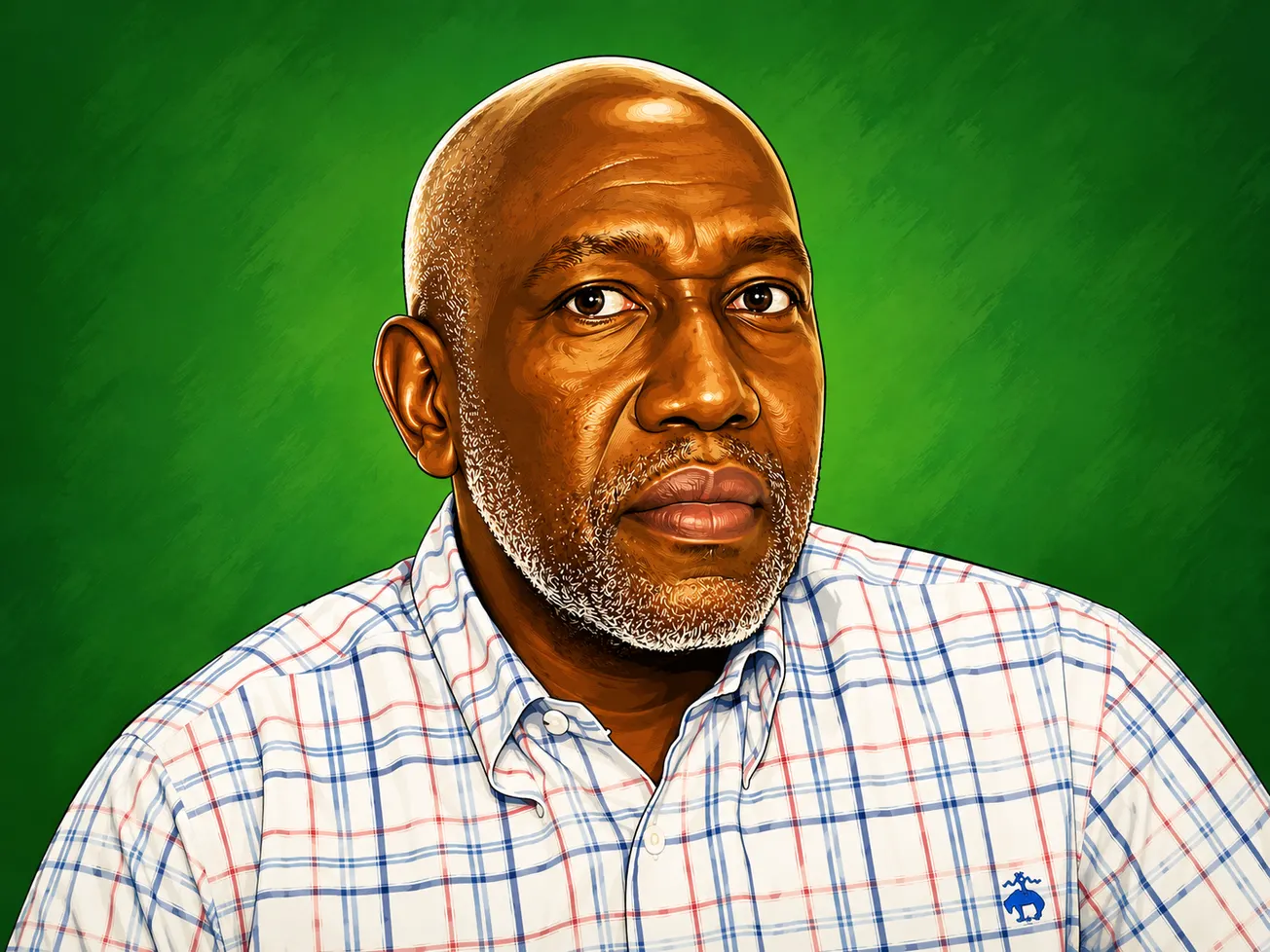
President Yoweri Museveni opened Uganda's first flagship Marriott hotel in Kampala on Thursday, Aug. 27, a 277-unit property developed by Ponsiano Ngabirano, chairman of the Capital Shoppers supermarket chain.
The Kampala Marriott Hotel and Marriott Executive Apartments occupy Plot 2646, Block 15 on Ggaba Road in Nsambya, six kilometres from the city centre and 40 from Entebbe airport. Two towers joined by a bridge hold 181 guestrooms and suites alongside 96 fully serviced apartments of one to three bedrooms, with six restaurants and bars, a spa, a gym, an outdoor pool and 1,293 square metres of meeting space that includes the Kampala Grand Ballroom, seating 985. The hotel had been taking guests since June, so Thursday was a formality.
Emmanuel Wamala, Archbishop Emeritus of Kampala, made the land available. Uganda's National Social Security Fund holds a 30% stake in the development, according to Ngabirano, and SMS Construction Limited, a Ugandan firm founded in 2011, was the main engineering, procurement and construction contractor.
From a Nakasero grocery to four supermarkets
Ngabirano began with a small grocery business in Nakasero and founded Capital Shoppers with his family in 1997.
The chain runs four stores, all in Kampala, with its head office on Dastur Street beside Nakasero Farmers' Market and branches at Nakawa on Port Bell Road, at Ntinda in its own mall, and inside Garden City Mall. It employed more than 200 people as of 2021.
It is the largest locally owned supermarket chain in Uganda, a title that says as much about how badly the international operators fared there. Nakumatt collapsed, Shoprite exited and Uchumi withdrew, while the four-store family business offering a 4% rebate on purchases, the highest in Ugandan retail, kept trading.
Rukungiri, Makerere and a bank
Ngabirano comes from Rukungiri District in Uganda's Western Region, near the Congolese border. He holds a bachelor's degree in business administration from Makerere University and worked in banking before going into business for himself. His wife, Eva Ngabirano, has been central to the company throughout.
The rest of the record is thin. He gives few interviews, rarely appears in Ugandan media outside business listings, and published accounts do not agree on when he was born. His progression from trading into retail, then commercial property, construction and hospitality took nearly three decades and happened almost entirely out of view.
A different building from the one announced
CEO East Africa reported the project in December 2022 as a proposed 400-room five-star hotel due for completion in 2023 or 2024. The finished development has 181 hotel rooms and 96 apartments, and it arrived in 2026.
The change of configuration reflects a change of strategy rather than a scaling back. Rather than 400 conventional rooms competing for the same short-stay business, the property now operates two Marriott brands at once, with the hotel taking conference, diplomatic and leisure guests while the apartments, each fitted with a kitchen, target people staying for months at a time. That second market has grown in Uganda as the country builds the East African Crude Oil Pipeline and prepares for first oil, work that brings in engineers, contractors and project staff who need somewhere to live rather than somewhere to sleep.
A franchise, not a management contract
Ngabirano operates the hotel under a franchise agreement with Marriott International, which determines who takes the money. A franchisee owns the building, runs the business and pays to use the brand, the operating systems and the global reservation network, whereas under a management contract the chain runs the hotel and the owner effectively collects rent. Ngabirano built the towers, holds them and keeps what they earn after fees, which meant becoming a developer and contractor rather than an investor.
The complex employs about 400 people, according to Ngabirano, who expects that to pass 1,000 by the end of the year. Roughly 95% of staff are Ugandan, more than 120 of them women, and about 90% of procurement is sourced locally.
Marriott now runs seven properties across five brands in Uganda, among them Protea Hotel Kampala, Protea Hotel Kampala Skyz, Protea Hotel Entebbe, the Sheraton Kampala and a Four Points by Sheraton, but it had never brought in the Marriott Hotels brand itself or Marriott Executive Apartments. Johan Cronjé, the company's regional vice-president for sub-Saharan Africa, said Uganda's tourism sector is benefiting from growing visitor demand, investment and infrastructure development.
Government backing
Finance ministry officials had been following the project for months. Moses Kaggwa, director of economic affairs, toured the site in June with tax policy commissioner Byahuranga, guided by Ngabirano himself, and said afterwards that government policy is to support internationally branded five-star hotels in order to attract wealthy tourists, with a target of doubling both visitor numbers and visitor spending.
Tourism earnings reached 5.8 trillion shillings in 2025, about $1.62 billion, contributing an estimated 5.9% of gross domestic product and supporting more than 876,000 jobs, according to the Uganda Tourism Statistical Abstract 2025. International arrivals passed 1.64 million.
Museveni used the opening to argue that African economies have failed to grow because leaders "fail to distinguish between development and wealth," naming commercial agriculture, services, information technology and manufacturing as the sectors that generate wealth and citing Ngabirano as the model he wants other Ugandan investors to follow. Henry Musasizi, the finance minister, said qualifying new investments receive a ten-year tax holiday. Ngabirano asked in return for a review of the taxes affecting hotels and for more investment in hospitality training.
The guest list
Sudhir Ruparelia attended, the country's wealthiest businessman, whose Ruparelia Group owns Speke Resort Munyonyo and has dominated Kampala hospitality for thirty years. Hamis Kiggundu, the developer behind the Nakivubo stadium rebuild, was there, along with the businessman Godfrey Kirumira and Ruth Nankabirwa, the energy and mineral development minister. Augustine Kasujja, the papal nuncio emeritus, met Ngabirano before the ceremony began.
Ruparelia's attendance carried its own weight, since the Marriott competes directly with his properties and Ngabirano arrived at it from a supermarket business rather than an existing hotel portfolio.
Nsambya has been drawing this kind of investment for several years, helped by its position close to the central business district, the diplomatic missions and the major hospitals, in a city whose luxury hotels had previously clustered around Nakasero and Munyonyo.
The intelligence satisfies curiosity. The paid briefings satisfy strategy.
Every Monday, Elite subscribers receive an Investor Memo breaking down the deal, the structure and the positioning behind the week's most consequential African wealth story - the kind of analysis that doesn't appear anywhere else.
Twice a month, a Wealth Intelligence brief profiles a single billionaire's holdings, cash flows and expansion pipeline in detail no public source matches.
→ Executive ($25/mo): Daily newsletter + Deep-Dive Reports
→ Elite ($75/mo): Everything above + Investor Memos + Wealth Intelligence + Quarterly Analyst Briefings
Subscribe now