

Table of Contents
The Central Bank of Kenya has approved Nedbank's acquisition of 66% of NCBA Group, clearing the last major obstacle to a transaction that pays two of Kenya's wealthiest families more than $170 million and moves control of a bank they built to Johannesburg.
The regulator issued the approval on Aug. 28 under Section 13(4) of the Banking Act, saying the acquisition takes effect on completion in accordance with the terms agreed between the parties. The deal is valued at about $842 million.
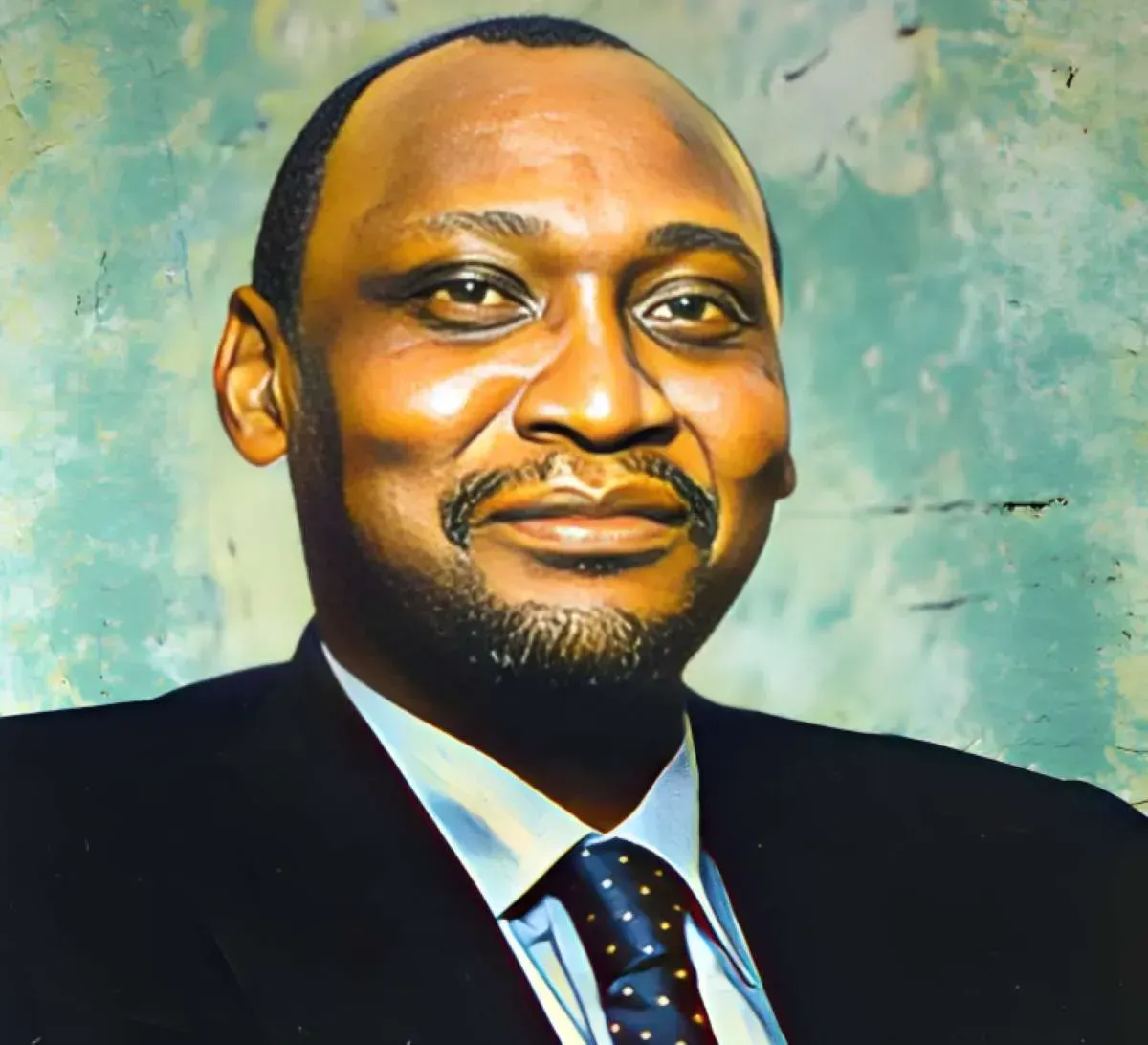
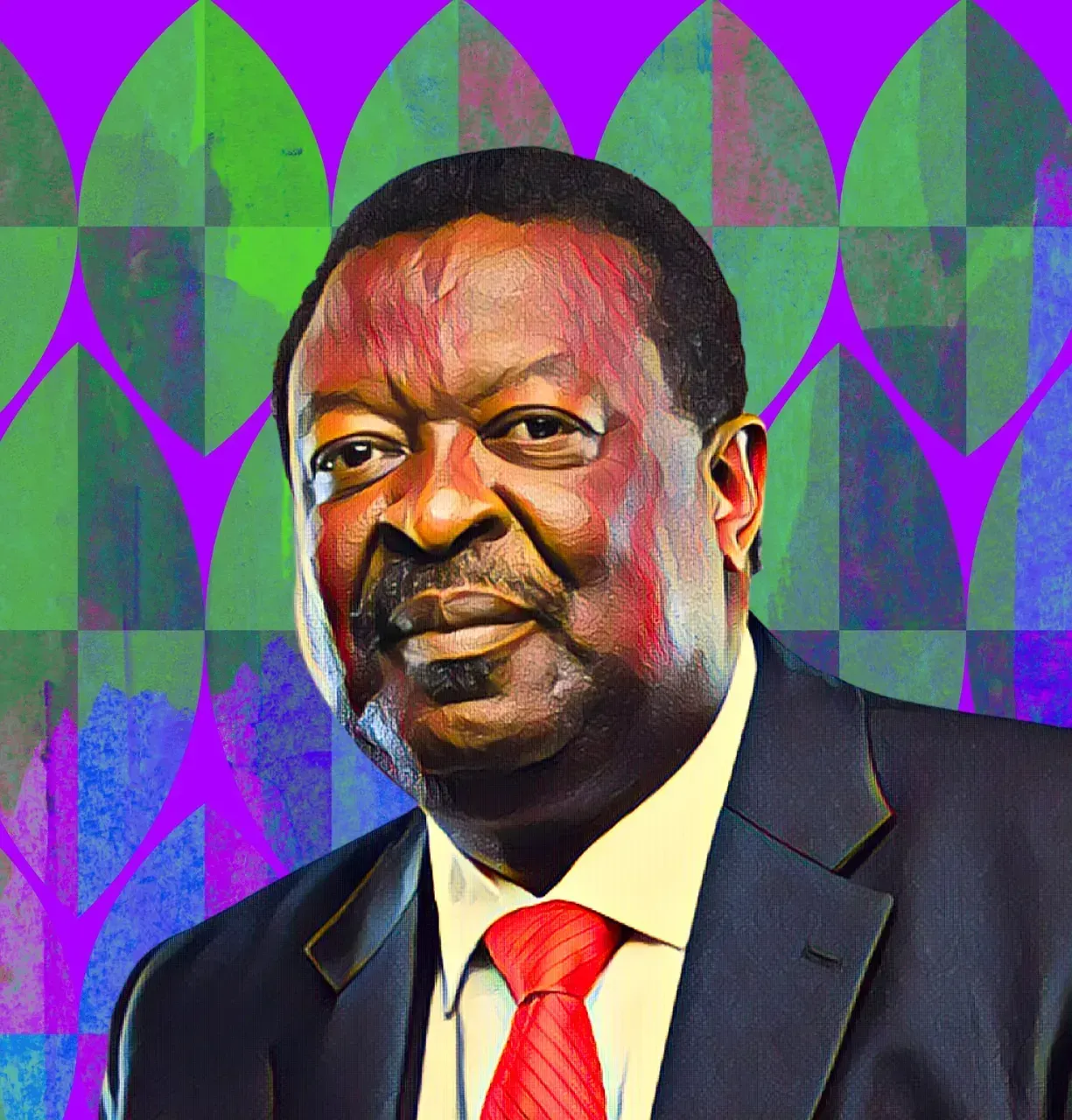
NCBA exists because two Kenyan dynasties merged their banks. Commercial Bank of Africa was associated with the family of Jomo Kenyatta, the country's founding president. NIC Group was associated with the family of Philip Ndegwa, a former governor of the Central Bank of Kenya. The two combined in September 2019 to create a lender that now serves more than 60 million customers across Kenya, Uganda, Tanzania, Rwanda, Ivory Coast and Ghana through 122 branches.
Both families are selling two-thirds of what they hold.
The Kenyattas own their position through Enke Investments, which holds 217.49 million shares, or 13.2%. Muhoho Kenyatta, son of the founding president and brother of former president Uhuru Kenyatta, holds a further 12.75 million shares directly. Together the family committed to sell 66% of that combined position, receiving 4.9 million Nedbank shares worth roughly 9.95 billion shillings, about $77 million, plus a cash payment. They keep 73.94 million NCBA shares, worth about 6.5 billion shillings.
The Ndegwas hold 246.14 million shares, or 14.94%, through First Chartered Securities. Their tendered stake converts into 5.24 million Nedbank shares valued at about 10.65 billion shillings, plus cash. They retain 83.69 million shares worth roughly 7.4 billion shillings.
The transaction produced a disclosure nobody expected. Muhoho Kenyatta joined the NCBA board as a non-executive director on Dec. 1, 2025, during the takeover talks, and board membership required his beneficial interest to be published alongside those of other directors. It came to 227.3 million shares, worth about 20 billion shillings, making him the largest disclosed individual shareholder on the Nairobi Securities Exchange. The family's holdings sit across multiple vehicles dating back to the years when Commercial Bank of Africa and NIC operated separately, so the total position is larger than any single line on the register indicates.
The mechanics favour the large holders in stock and the small ones in cash. Participating shareholders receive 80% of their consideration in Nedbank shares, converted at 4.02994 Nedbank shares for every 100 NCBA shares with Nedbank priced at 250 rand, and 20% in cash at 21 shillings a share. Anyone holding fewer than 7,520 NCBA shares gets a straight cash payment of 105 shillings a share, a higher effective price than the 98.72 shillings the composite structure delivers to larger investors.
Demand exceeded what Nedbank wanted. Shareholders representing 77.54% of NCBA signed irrevocable undertakings to accept, and Nedbank rejected 228.99 million shares from excess applications to hold itself to 66%. Both families may end up ceding more than they initially planned if they were among those offering shares beyond their entitlement.
Nedbank has taken control without buying the whole company. Kenya's Capital Markets Authority granted a waiver on Feb. 19 releasing it from the rule requiring a mandatory offer for 100% once ownership thresholds are crossed. The remaining 34% continues trading in Nairobi.
Chief executive Jason Quinn, speaking when the deal was announced in January, described NCBA as offering a strong brand, an extensive regional network, advanced digital capabilities and deep customer reach that aligns with Nedbank's corporate and investment banking expertise, cross-border structuring and balance sheet. He said combining NCBA's local presence with Nedbank's capital base gave a compelling platform for growth in the region.
The bank Nedbank is buying built its position in digital lending through M-Shwari and Loop, and reported 23.4 billion shillings in profit ahead of the takeover.
What remains are the administrative and transfer steps set out in the agreement.
The intelligence satisfies curiosity. The paid briefings satisfy strategy.
Every Monday, Elite subscribers receive an Investor Memo breaking down the deal, the structure and the positioning behind the week's most consequential African wealth story — the kind of analysis that doesn't appear anywhere else.
Twice a month, a Wealth Intelligence brief profiles a single billionaire's holdings, cash flows and expansion pipeline in detail no public source matches.
→ Executive ($25/mo): Daily newsletter + Deep-Dive Reports
→ Elite ($75/mo): Everything above + Investor Memos + Wealth Intelligence + Quarterly Analyst Briefings
Subscribe now