


Table of Contents
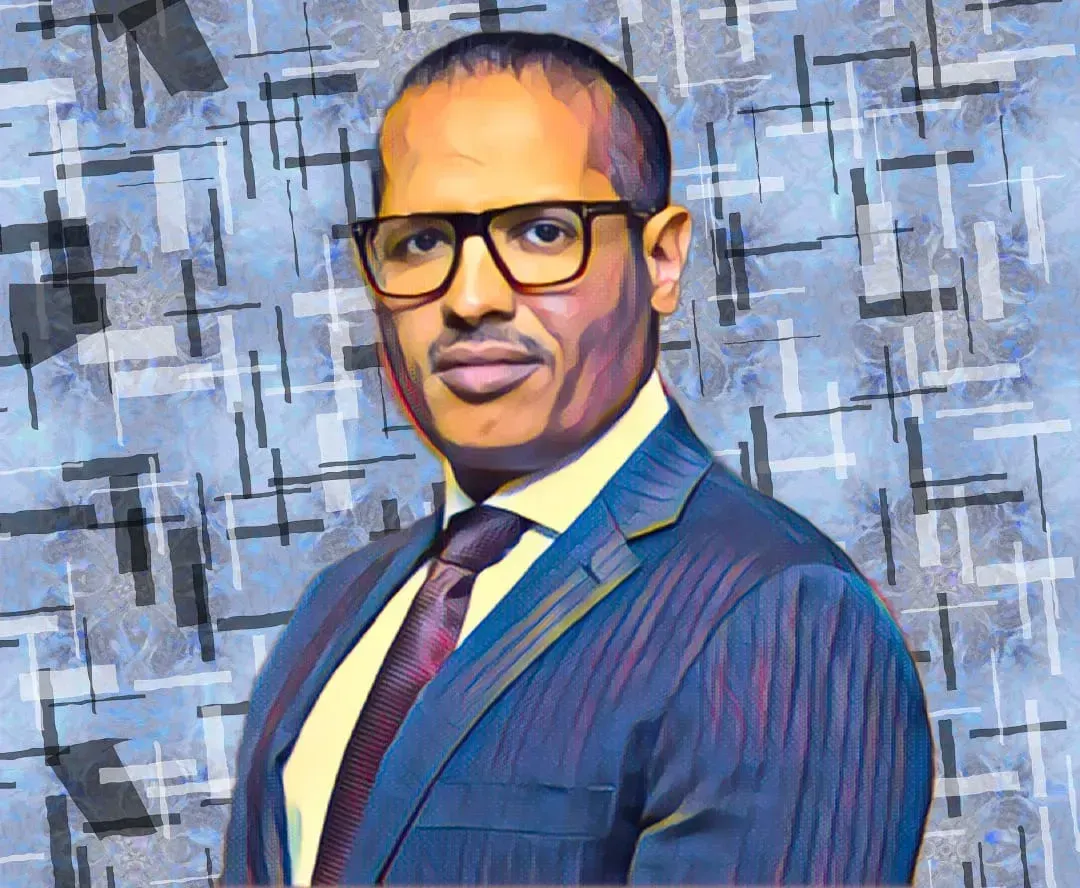
The United States Export-Import Bank will lend nearly $100 million to Africell, the mobile operator Ziad Dalloul founded in 2001, to buy network equipment from American and allied suppliers rather than from China's Huawei.
The bank announced it on Friday, Sept. 11, and Reuters reported it first. EXIM is the American government's export credit agency, which finances foreign buyers of American goods, and the loan is structured to let Africell invest in what the bank called the latest mobile network technology from American and allied suppliers.
Dalloul said the company was pleased to work with EXIM to bring more trusted and secure communications infrastructure to its markets.
What makes Africell eligible is unusual. It is the only mainstream American-owned mobile network operator on the African continent, which puts it in a category of one at a moment when Washington is trying to reduce Chinese equipment in African networks.
Huawei holds about 52% of the African market for 5G infrastructure, according to Counterpoint Research. The United States has sanctioned the company over allegations it could spy on users, which Huawei denies, and Washington has run a campaign since Donald Trump's first term to purge Chinese telecoms technology from allied networks. A 2025 executive order requires American agencies to promote United States technology abroad in artificial intelligence, data storage, cloud services and networking.
The Chinese embassy in Washington said Chinese investment in Africa has driven growth and been welcomed by residents, and urged the United States to support development rather than pursue an Africa agenda aimed at undermining China-Africa cooperation. Huawei did not respond to a request for comment.
Dalloul has been building in markets multinationals ignored.
He is an American entrepreneur with engineering degrees from Boston University and Columbia, where he took a master's in 1988 and now sits on the engineering school's board of visitors. He has spent more than thirty years in telecoms across Africa, the Middle East, the Gulf and Eastern Europe, and has led fourteen market launches and the opening of more than 2,000 retail stores.
Africell started in the Gambia in 2001 and entered Sierra Leone in 2005. It holds roughly 60% of the market in each. It moved into the Democratic Republic of Congo in 2012, where it has between 20% and 25% in the provinces where it operates, and into Uganda in 2014, where it closed in October 2021 after concluding the long-term commercial outlook did not work.
Angola came last and was the largest bet. Africell won a competitive international tender in January 2021 and launched in 2022, becoming the first new mobile operator in the country in two decades. It bought equipment from HP, Nokia, Dell and Oracle to build a data centre there.
The group is headquartered in London, employs about 10,000 people directly and through contractors, and serves 15 million subscribers according to Reuters, with Wikipedia putting the figure above 16 million as of January this year. Dalloul is group chairman and chief executive and also runs Lintel Holdings, the parent company.
American officials have visited repeatedly. Wendy Sherman, deputy secretary of state under Joe Biden, went to Africell's Angola offices in 2022 and said countries choosing Huawei were potentially giving up their sovereignty by turning their data over to another country. Antony Blinken visited the same operation as secretary of state in January 2024.
This is not the first American loan. Africell received $100 million in 2018 from the Overseas Private Investment Corporation, now the International Development Finance Corporation, to expand in Uganda and the Congo.
Dalloul was elected to the board of the Corporate Council on Africa in March 2025.
The intelligence satisfies curiosity. The paid briefings satisfy strategy.
Every Monday, Elite subscribers receive an Investor Memo breaking down the deal, the structure and the positioning behind the week's most consequential African wealth story - the kind of analysis that doesn't appear anywhere else.
Twice a month, a Wealth Intelligence brief profiles a single billionaire's holdings, cash flows and expansion pipeline in detail no public source matches.
→ Executive ($25/mo): Daily newsletter + Deep-Dive Reports
→ Elite ($75/mo): Everything above + Investor Memos + Wealth Intelligence + Quarterly Analyst Briefings
Subscribe now