

Table of Contents
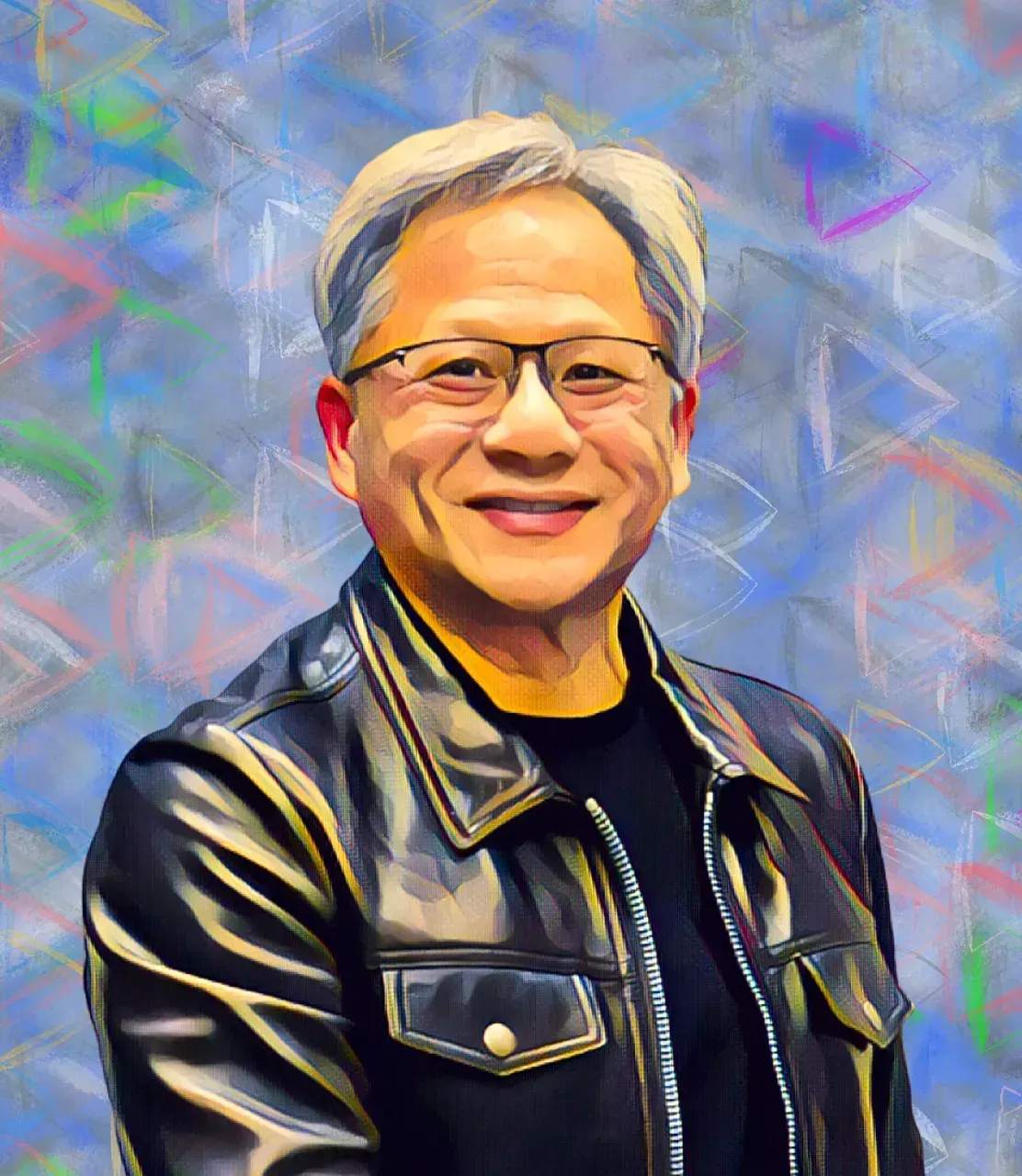
Jensen Huang said on Friday there is a 0% chance artificial intelligence will end the world by 2030, dismissing extinction warnings as "doomsday narratives" in an interview with CBS News.
The same day, four paying subscribers sued Anthropic, OpenAI, Google and Elon Musk's SpaceXAI in federal court in California, alleging the companies illegally agreed to slow the development of their AI products because of those warnings.
Huang, who runs Nvidia, was responding to posts by a former Anthropic researcher, Jacob Coxon, who wrote this month that people building AI believe it could kill everyone by the end of the decade. Huang told CBS correspondent Jo Ling Kent that such claims were not grounded in science and that frightening people was irresponsible, and suggested some of those raising the alarm had political or attention-seeking motives.
He argued that existing law already covers the risks. Companies face liability under cybersecurity and damages law, he said, and those rules should be enforced before anyone uses fear to escape them. The industry should move as fast as it can, he added, while never shipping products that are unsafe or unfinished.
Nvidia's chips run the models at the centre of the argument, and demand for them has made it the world's most valuable company, worth $5.3 trillion.
President Donald Trump telephoned Huang on stage at the All-In Summit in Los Angeles on Sept. 14 and called the fears a hoax. Huang did not use the word at the time, and weeks earlier he had said labs should pace their work if they felt it was getting out of control.
The lawsuit, filed in the US District Court for the Northern District of California, is brought on behalf of a proposed nationwide class of people who pay for ChatGPT, Claude, Grok or Gemini. It alleges a breach of Section 1 of the Sherman Act, which bars competitors from agreeing to restrain competition, and asks for an injunction and a court declaration that the companies broke federal antitrust law.
It centres on an essay Anthropic chief executive Dario Amodei published on Sept. 12, titled "We Must Pace the Frontier," which called for coordination across the industry to slow development. OpenAI's Sam Altman, Musk and Google DeepMind's Demis Hassabis publicly agreed the same day, with Hassabis calling it the right path forward.
The complaint also points to a statement in July, signed by senior staff at several labs, acknowledging strong competitive pressure against any one company slowing down on its own.
The plaintiffs say they have no objection to a company choosing to slow down, or to the industry asking Congress for an exemption. Their case is that rivals cannot privately agree on how fast their products improve, because subscribers then get less for what they pay.
Amodei's essay addressed antitrust directly, saying the government would need to mediate or at least enable such talks, and to grant a narrow waiver for certain kinds of safety discussion.
The plaintiffs' lead lawyer, Nick Rowley, shares the fear the defendants cite. He said AI could escape human control and kill everyone if safety is left to private agreements between the most powerful for-profit technology companies.
Altman responded that OpenAI would welcome a federal framework setting consistent safety requirements, but did not believe the industry needed to wait for an exemption or new legislation to start that work. None of the four companies has yet filed a response in court.
Huang is due at the White House on Sept. 24 for a dinner Trump is hosting for Chinese President Xi Jinping, and told CBS he wants to discuss global standards for AI development there.
The intelligence satisfies curiosity. The paid briefings satisfy strategy.
Every Monday, Elite subscribers receive an Investor Memo breaking down the deal, the structure and the positioning behind the week's most consequential African wealth story - the kind of analysis that doesn't appear anywhere else.
Twice a month, a Wealth Intelligence brief profiles a single billionaire's holdings, cash flows and expansion pipeline in detail no public source matches.
→ Executive ($25/mo): Daily newsletter + Deep-Dive Reports
→ Elite ($75/mo): Everything above + Investor Memos + Wealth Intelligence + Quarterly Analyst Briefings
Subscribe now