


Table of Contents
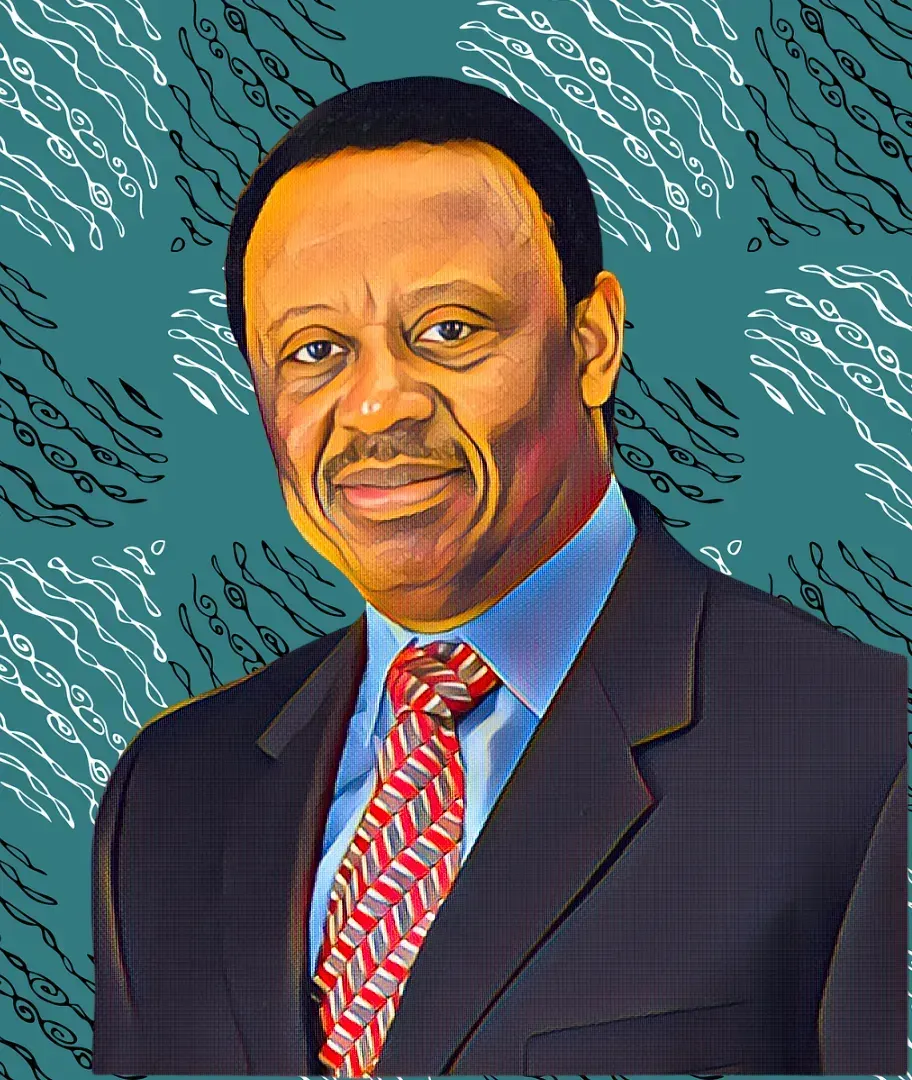
Forbes values Strive Masiyiwa at $2.1 billion, down from $2.2 billion at the end of March, and the money went in one place.
Econet InfraCo listed on the Victoria Falls Stock Exchange on March 31 at about 33 cents a share, valuing it at $1 billion. It now trades at about 22.79 cents, down roughly 31%, which takes around $309 million off the company.
Masiyiwa's share of that loss comes to about $103 million. He controls roughly 47.5% of Econet Wireless Zimbabwe through Econet Global, and Econet kept 70% of InfraCo when it spun the business out, which gives him an indirect interest of about a third.
The fall is not fresh. InfraCo was already trading around 22.7 cents at the end of July, so the decline happened within four months of listing and the stock has sat there since.
What InfraCo holds is everything Econet owns that is not the network itself. The company took Econet Wireless Zimbabwe's telecommunications towers, renewable energy systems and property into a single platform and listed it by introduction, which means no new money was raised. A quarter of the company, worth about $250 million, went to existing Econet shareholders as a dividend in specie, and shareholders who wanted out took a mix of cash and InfraCo stock, receiving $24.3 million in cash and 143.2 million shares valued at $47.2 million.
It was the largest initial listing in Zimbabwe's history and the sixteenth equity on an exchange that trades in United States dollars. Finance minister Mthuli Ncube attended.
The reason for all of it was a share price nobody believed. Econet was trading at about eight cents before the restructuring, valuing the whole company at roughly $239 million, on revenue of $779 million in 2025. The board argued that a market trading in Zimbabwe dollars could not price the business properly, and shareholders voted to leave the Zimbabwe Stock Exchange after 28 years.
Masiyiwa came home to make the case. He addressed the extraordinary meeting in February, his first return to Zimbabwe in 26 years.
He is 65 and spent five years in court breaking the state monopoly on telecommunications before Econet Wireless Zimbabwe started operating in 1998. The company now carries more than 82% of Zimbabwe's internet and data traffic and about 88% of its voice traffic.
His technology businesses have been moving the other way. Masiyiwa launched Econet AI in April as a separate unit selling commercial artificial intelligence services, including Cassava AiCloud, which runs on Nvidia processors at the Cassava AI Factory in South Africa.
Cassava Technologies, his pan-African digital infrastructure group, agreed this month with Vodafone Business to build what the two describe as Egypt's first AI factory. The plan is to let Egyptian companies and government bodies train and run AI systems inside the country, with sensitive data held locally rather than on foreign cloud platforms.
Masiyiwa remains the wealthiest person in Zimbabwe.
The intelligence satisfies curiosity. The paid briefings satisfy strategy.
Every Monday, Elite subscribers receive an Investor Memo breaking down the deal, the structure and the positioning behind the week's most consequential African wealth story - the kind of analysis that doesn't appear anywhere else.
Twice a month, a Wealth Intelligence brief profiles a single billionaire's holdings, cash flows and expansion pipeline in detail no public source matches.
→ Executive ($25/mo): Daily newsletter + Deep-Dive Reports
→ Elite ($75/mo): Everything above + Investor Memos + Wealth Intelligence + Quarterly Analyst Briefings
Subscribe now