


DELVE INTO AFRICAN WEALTH
DON'T MISS A BEAT
Subscribe now
Skip to content

Mark Zuckerberg passes Sergey Brin to become world's fifth richest at $256.8 billion

Four days ago Mark Zuckerberg was sixth, $14.5 billion behind Sergey Brin. He is now fifth. He gained about $3 billion over that stretch. Brin lost roughly $12.7 billion and that, not Meta's rally, is what closed the gap.

Mark Zuckerberg passes Sergey Brin to become world's fifth richest at $256.8 billion
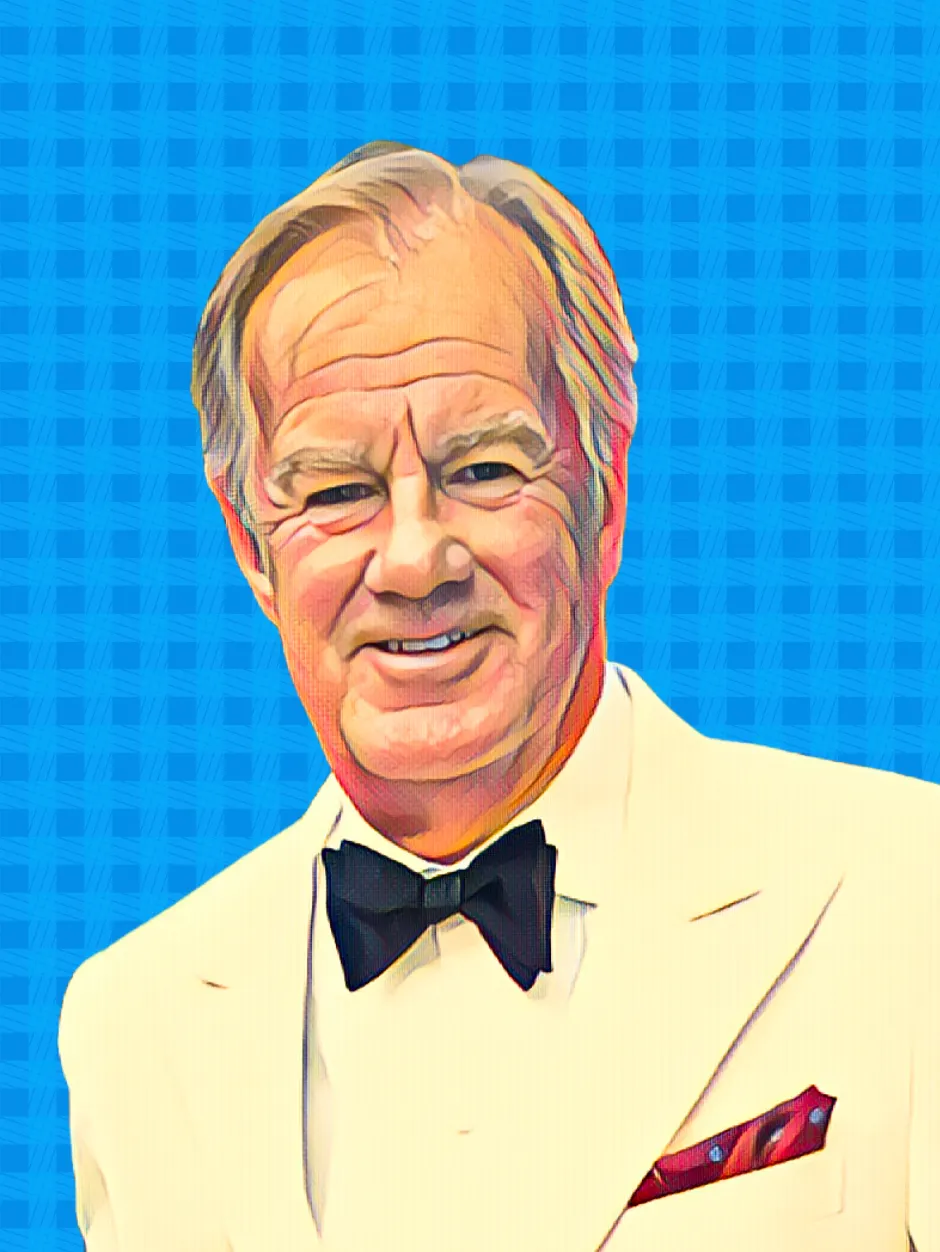
Mark Zuckerberg

Table of Contents

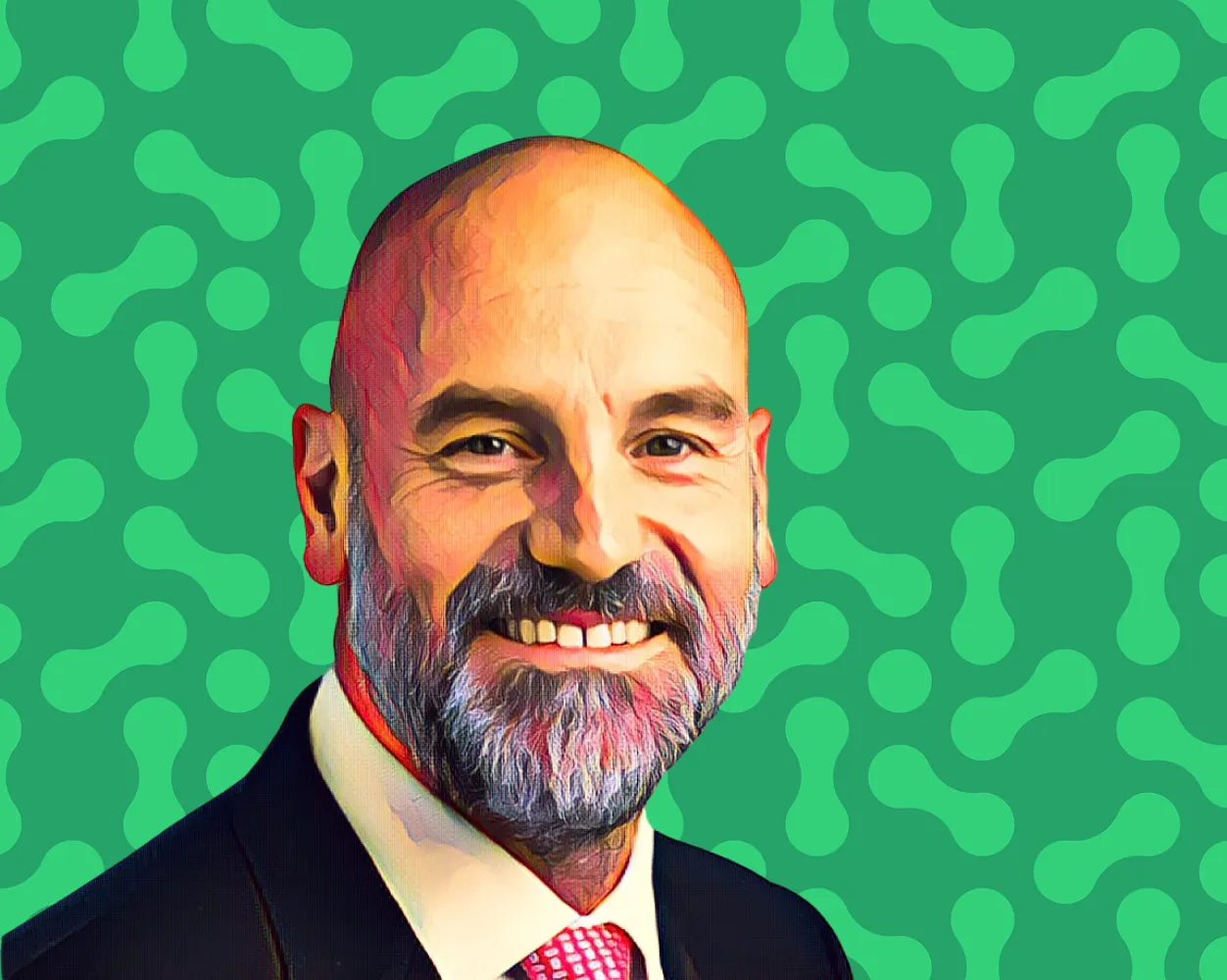
Mark Zuckerberg, the American technology billionaire who co-founded Meta, has become the world's fifth-richest person, overtaking Google co-founder Sergey Brin.

Zuckerberg's fortune reached $256.8 billion on Wednesday, according to Forbes' real-time tracker, ahead of Brin's $255.4 billion. Meta shares rose 2.1 per cent to more than $750 that afternoon, adding over $4 billion to his wealth.

The change owes more to Brin than to Zuckerberg. On Monday, Zuckerberg sat sixth at $253.6 billion, $14.5 billion behind Brin's $268.1 billion. By Wednesday afternoon Brin was down more than $9 billion on the day alone, as Alphabet fell 3.5 per cent.

Across those two days Zuckerberg added roughly $3 billion. Brin shed roughly $13 billion. The overtake was a decline, not a surge.

Meta's stock has still climbed more than 34 per cent in a month, and the immediate cause is Muse, the consumer AI agent it released about two weeks ago. Muse acts on a user's behalf rather than answering questions — sending emails, making purchases, booking travel and managing schedules.

It has been downloaded 2.8 million times since launch, according to Apptopia data. JPMorgan analysts said this week it could "become the most widely used consumer AI application since ChatGPT." Shares jumped about 11 per cent on Monday on that optimism, adding some $25 billion to Zuckerberg's fortune in a single session.

Zuckerberg still owns roughly 13 per cent of the company he founded as Facebook in 2004 and listed in 2012. Brin remains a controlling shareholder of Alphabet.

The intelligence satisfies curiosity. The paid briefings satisfy strategy.

Every Monday, Elite subscribers receive an Investor Memo breaking down the deal, the structure and the positioning behind the week's most consequential African wealth story - the kind of analysis that doesn't appear anywhere else.

Twice a month, a Wealth Intelligence brief profiles a single billionaire's holdings, cash flows and expansion pipeline in detail no public source matches.

→ Executive ($25/mo): Daily newsletter + Deep-Dive Reports

→ Elite ($75/mo): Everything above + Investor Memos + Wealth Intelligence + Quarterly Analyst Briefings

Subscribe now
Latest

The Inside Story: Twelve Years on Robben Island, Then a Gold Empire — How Mzi Khumalo Turned $15.5 Million Into Zimbabwe's Largest Gold Producer, and Then Lost It

The Inside Story: Twelve Years on Robben Island, Then a Gold Empire — How Mzi Khumalo Turned $15.5 Million Into Zimbabwe's Largest Gold Producer, and Then Lost It

In 2002 Mzi Khumalo paid $15.5 million for the Zimbabwean gold mines Lonmin no longer wanted. Within a decade they produced about 100,000 ounces a year and Metallon was the country's largest gold miner. By 2019 the group owed roughly $200 million. The full arc of a contested career.

Members Public
Deep-Dive Report: The $1.2 Billion Handover — How Chappal Energies Bought Equinor Out of Nigeria, Ran Out of Money, and Ended Up Owned by the Shareholder Who Reported Its Founder

Deep-Dive Report: The $1.2 Billion Handover — How Chappal Energies Bought Equinor Out of Nigeria, Ran Out of Money, and Ended Up Owned by the Shareholder Who Reported Its Founder

In December 2024 Chappal Energies paid up to $1.2 billion for Equinor's entire Nigerian business. Less than two years later its founder is in custody, a minority shareholder holds 86 per cent after a $100 million rescue, and the lesson for every Nigerian independent is about financing, not ambition.

Members Public
Wealth Intelligence: The Cost of Being Right — Strive Masiyiwa Escaped a Market That Undervalued Him, and the New One Marked Him Down 31% in Four Months

Wealth Intelligence: The Cost of Being Right — Strive Masiyiwa Escaped a Market That Undervalued Him, and the New One Marked Him Down 31% in Four Months

Strive Masiyiwa left an exchange that priced Econet at $239 million against $779 million of revenue, and listed its towers, power and property at $1 billion instead. Four months later InfraCo had lost a third. What the $309 million says about his holdings, and about being right too early.

Members Public