

Table of Contents
Sixty-one current and former Nigerian officials and their families hold 284 properties in the United States worth about $271 million, according to a report published this week by two anti-corruption organisations.
More than half of those purchases happened while the officials held public office. The report, called Dirty Deeds and produced by the Platform to Protect Whistleblowers in Africa and the Anti-Corruption Data Collective, identifies 152 properties worth approximately $177 million bought during their time in government, many of them paid for in cash.
The buying spans thirty years.
Jimmy Kande, who runs the whistleblower platform, called the scale of the purchases unprecedented and said they expose gaps in how money crosses borders and settles quietly into foreign real estate. He asked authorities in Nigeria and the United States to recover what he described as stolen wealth.
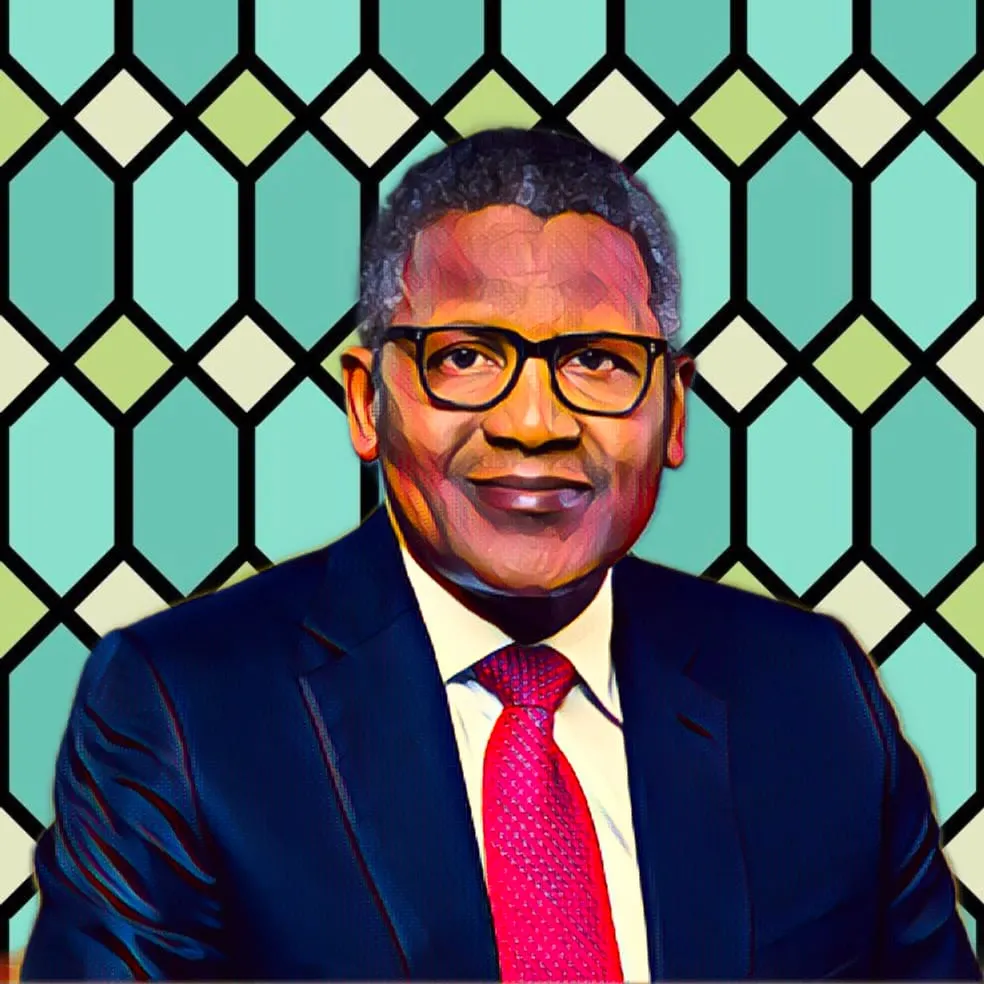
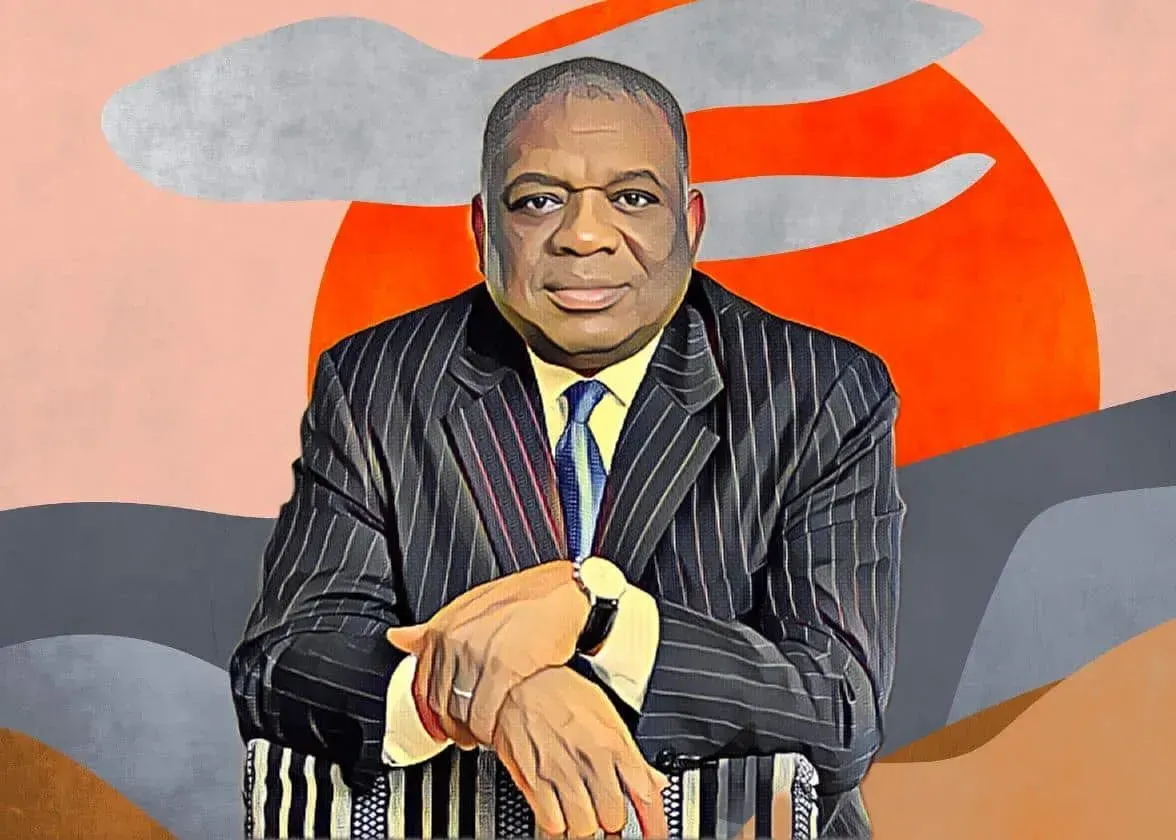
Orji Uzor Kalu is among those named. The report identifies more than $20 million of American property held by the Nigerian senator and businessman and his family members.
The Post and Courier, the South Carolina newspaper that has reported on the holdings for more than a year, previously found Kalu owns or has corporate and family connections to five properties in South Carolina carrying a value of at least $2 million on local tax rolls, along with property worth more than $4.7 million in the Charlotte metropolitan area.
One of them is a four-acre plot next to a junkyard in the Saxon area of Spartanburg County. A man at the site who gave his name as Nnanna Utah told the newspaper last year that Kalu can buy anything anywhere in the world he wants to, but likes South Carolina because he was doing business there before he made a dime.
Kalu was convicted on corruption charges in Nigeria. A higher court overturned that conviction in 2020 and set him free, and prosecutors at the Economic and Financial Crimes Commission said they would retry the case but have not done so.
He served two terms as governor of Abia State from 1999 to 2007 and founded SLOK Holding, with interests in shipping, oil, banking and newspapers, before entering the Senate.
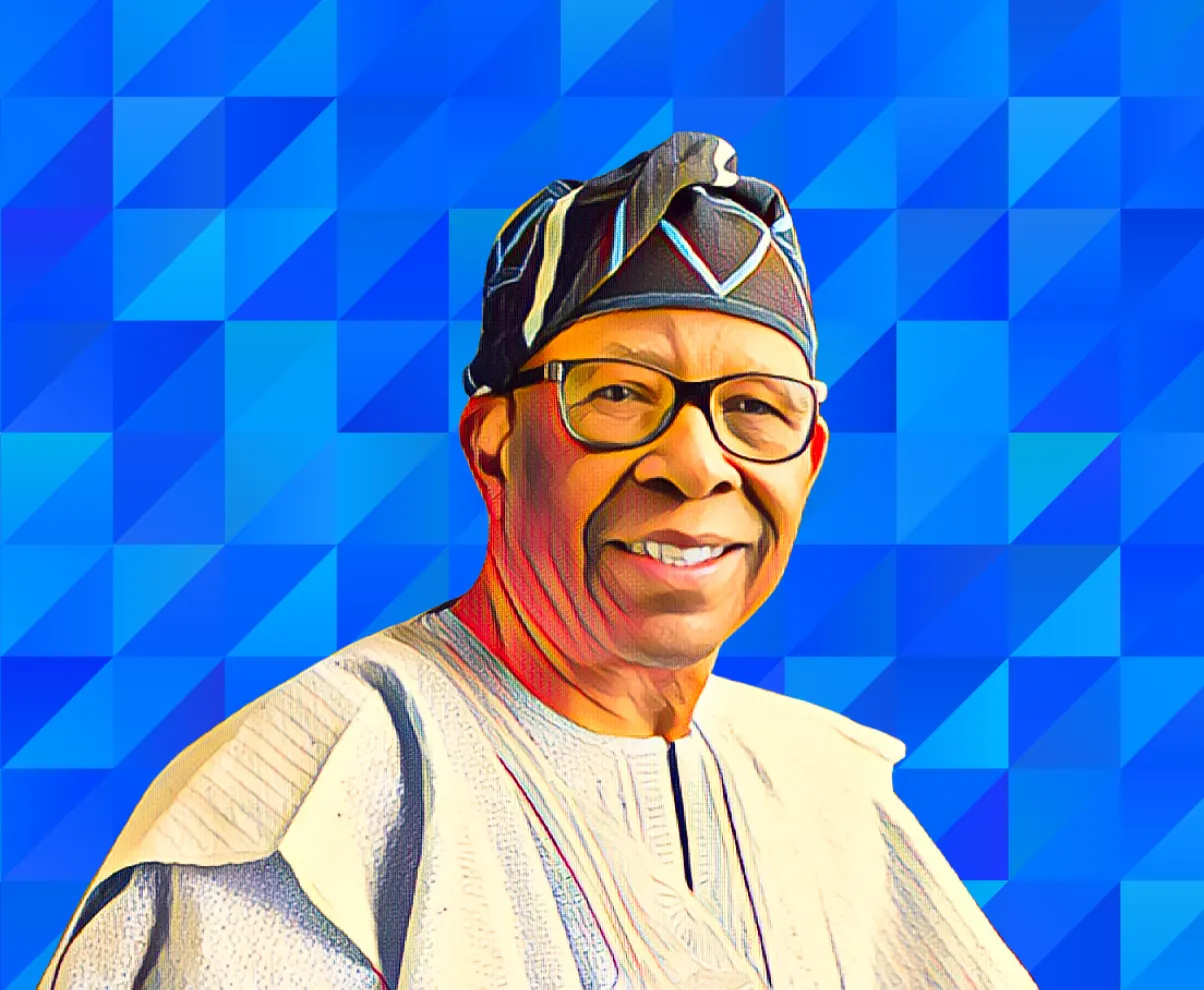
Sambo Dasuki is the other prominent name. The report says he paid nearly $1 million in 2002 for a horse farm six miles from Aiken, South Carolina, at a time when he ran Nigeria's mint. He and his wife bought the property, called Green Hill Farms, and he is the son of a Nigerian sultan.
Dasuki went on to become national security adviser, one of the most powerful positions in the Nigerian government. During that period he transferred tens of millions of dollars to an illiterate Nigerian furniture maker living in a Los Angeles mansion, according to documents obtained by The Post and Courier, the whistleblower platform and the Organized Crime and Corruption Reporting Project.
Nigerian prosecutors have accused him of corruption in a case that has now run for a decade without resolution.
Olanrewaju Suraju, who chairs the Nigerian rights group Human and Environmental Development Agenda, put the cost in domestic terms. Every property in the report, he said, is a public service that was never delivered, a road not built, a clinic not staffed, a school without books.
The American side of the story is about enforcement. Congress passed the Corporate Transparency Act in 2021 with bipartisan support to deter money laundering, terrorist financing and tax evasion, and rules requiring real estate professionals to identify the true buyers of properties were due to take effect last year. The Trump administration said in 2025 that it would not enforce the law.
Anti-corruption specialists argue the consequences reach ordinary Americans, because large inflows of illicit money push property prices up for everyone and anonymous companies make fraud harder to trace.
Neither Kalu nor Dasuki has a conviction standing against him, and the report does not establish that any individual purchase was made with public money.
The intelligence satisfies curiosity. The paid briefings satisfy strategy.
Every Monday, Elite subscribers receive an Investor Memo breaking down the deal, the structure and the positioning behind the week's most consequential African wealth story - the kind of analysis that doesn't appear anywhere else.
Twice a month, a Wealth Intelligence brief profiles a single billionaire's holdings, cash flows and expansion pipeline in detail no public source matches.
→ Executive ($25/mo): Daily newsletter + Deep-Dive Reports
→ Elite ($75/mo): Everything above + Investor Memos + Wealth Intelligence + Quarterly Analyst Briefings
Subscribe now