

Table of Contents
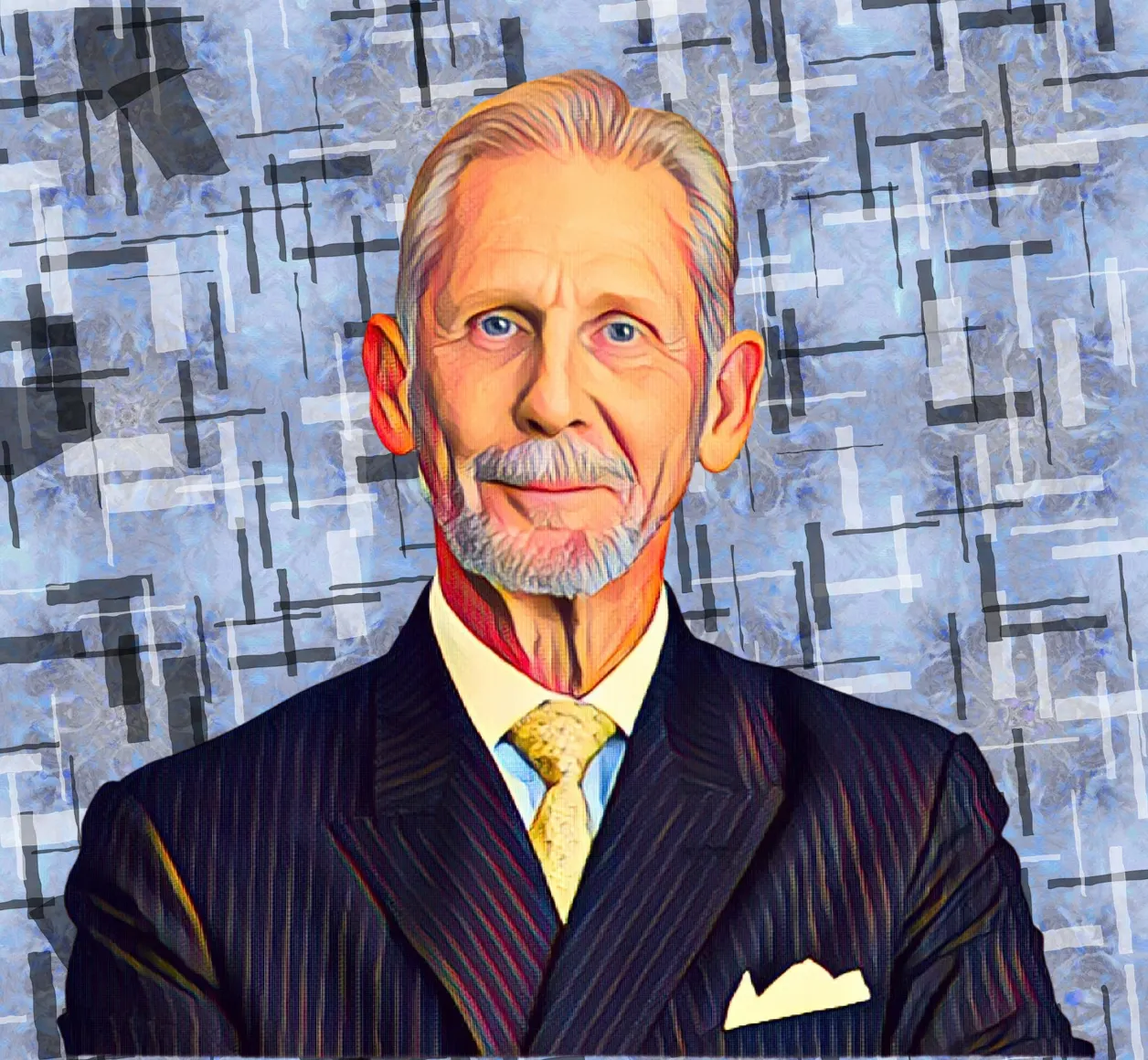
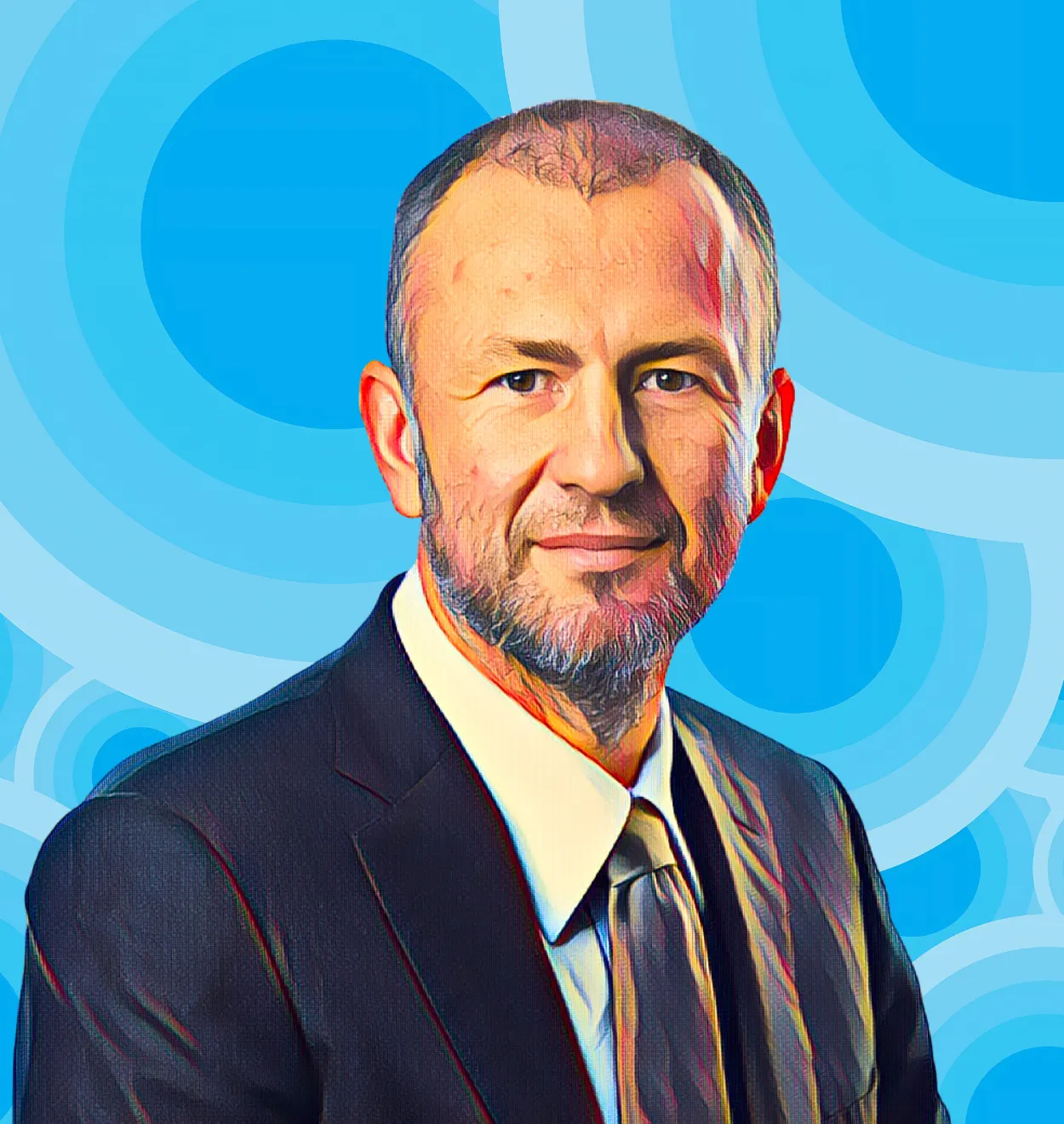
Andrey Melnichenko said central banks are fighting inflation with a tool designed for a world that no longer exists, in an interview broadcast on Russia's Channel One on Sept. 24.
His argument is about where the price rises come from. Costs across the world economy are climbing because supply chains have fragmented, he said. A company that once needed a single supplier now needs three. Businesses that ran on minimal stock now hold excess reserves. States are building backup systems to perform functions they previously took for granted.
That is cost-push inflation, and raising interest rates does not touch it. Cutting demand worked when the world was open and fully global, Melnichenko said, and those methods are meant for a world that is getting smaller.
He is the founder of EuroChem, one of the largest fertiliser producers in the world, and has been under Western sanctions since 2022.
Where he chose to make the argument is part of the story. The interview ran on Russian state television in a programme called The Great Game, hosted by Dimitri Simes, a former publisher of the American magazine The National Interest who now works in Russian broadcasting. Sanctioned Russian businessmen rarely appear on camera at all.
The theme he returned to was sovereignty. The coming world will be defined by it, Melnichenko said, meaning the ability to make decisions in your own interests, and he defined that in domestic terms: giving citizens a planning horizon, and building technology, industry and an education system at home. Foreign policy then reduces to securing the conditions that let you do it.
Complete self-sufficiency is not the answer, he said. A country needs full protection in critical technologies and its own national payment system, with several reliable suppliers rather than one, while continuing to trade in goods, technology and knowledge to stay competitive. The risk is swapping one dependency for another.
On Europe he was blunter. Russia has become what he called a convenient enemy for European elites, an instrument for consolidating societies that are changing fast and want simple explanations, and in that situation emotions defeat rationality. Europe is militarising, he said, with spending rising and rhetoric intensifying, and the task is to stop that becoming a reality neither side needs.
Asked whether artificial intelligence is being underestimated as a danger, he said nobody knows. He then argued that humanity needs a common enemy and would be better off choosing one, pointing to climate change after the Cold War and the pandemic after that. He would rather people concentrated on artificial intelligence than on each other.
He does not think globalisation is finished. The International Monetary Fund expects 3% global growth this year, he said, and goods still move along supply chains even if those chains are more complicated. What has happened is political fragmentation rather than economic separation, which is what multipolarity means.
The Economist profiled him shortly before the broadcast, describing him as neither an opponent of the Russian authorities nor a critic of the war, which Simes read out approvingly at the start of the interview.
Melnichenko trained as a physicist before going into business in his early twenties. His fertiliser company matters well beyond Russia, and nowhere more than in Africa, where most countries import almost all the fertiliser their farmers use and where price rises land directly on food production.
The intelligence satisfies curiosity. The paid briefings satisfy strategy.
Every Monday, Elite subscribers receive an Investor Memo breaking down the deal, the structure and the positioning behind the week's most consequential African wealth story - the kind of analysis that doesn't appear anywhere else.
Twice a month, a Wealth Intelligence brief profiles a single billionaire's holdings, cash flows and expansion pipeline in detail no public source matches.
→ Executive ($25/mo): Daily newsletter + Deep-Dive Reports
→ Elite ($75/mo): Everything above + Investor Memos + Wealth Intelligence + Quarterly Analyst Briefings
Subscribe now