


Table of Contents
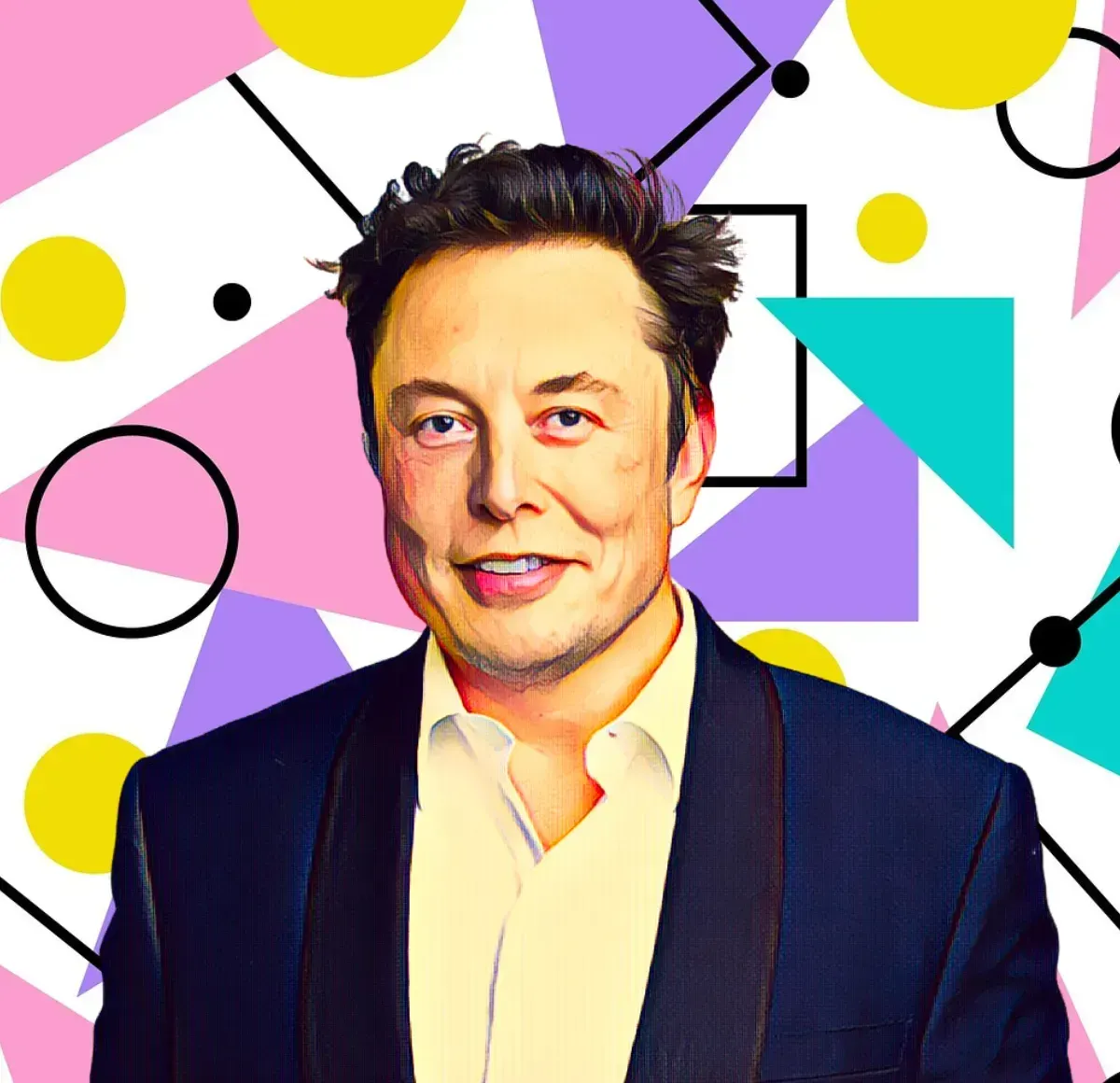
South Africa has made another public appeal to American billionaire Elon Musk to bring Starlink to the country of his birth, this time from a deputy minister asking him to compromise on the 30% Black ownership rule, even as a rival, Amazon, has found a way around the same rule without him.
"I hope Elon is listening," Deputy Communications Minister Mondli Gungubele said, questioning whether Musk could accept local equity requirements given the returns on offer, and confirming that talks between the government and Starlink continue.
The obstacle has not moved in two years. The Electronic Communications Act requires holders of individual telecoms licences to be at least 30% owned by historically disadvantaged groups. SpaceX does not sell equity in local subsidiaries anywhere and has refused to do so in South Africa.
Communications Minister Solly Malatsi tried to open a side door in December, gazetting a policy direction ordering ICASA, the regulator, to recognise equity-equivalent investment programmes, under which a multinational funds skills, infrastructure or enterprise development instead of transferring shares. He said 90% of public submissions backed it.
ICASA said no. In May it ruled that it cannot substitute investment programmes for ownership without Parliament amending the Act, a position it repeated at public hearings in August where SpaceX appeared to press for a resolution. Malatsi has promised legislative amendments; none has been tabled. SpaceX has never lodged a licence application.
Amazon did not wait. Its Leo satellite broadband will launch in South Africa in 2027 under the Evry brand through Herotel, the fibre operator with more than 350,000 subscribers that Johann Rupert's Maziv group finished acquiring in June. Herotel already holds the licences; Amazon supplies the satellites. The structure complies with the ownership rules because the licensee is South African, and it leaves Starlink, which serves more than 20 other African markets, as the conspicuous absentee in the continent's most developed economy.
The politics have been personal. Musk, born in Pretoria, has described the ownership rules on X as racist, and the issue has spilled into Washington, where South Africa's empowerment laws have become a talking point in a wider dispute with the Trump administration. Gungubele's tone was conciliatory by comparison: an invitation to work with Pretoria to reduce inequality rather than a demand.
Whether it lands depends on a law that has not been written. Until the Act changes, ICASA's reading stands, and Starlink stays out. Amazon's route through Herotel shows the rules can be met without selling equity to anyone; it also shows that the company willing to partner locally is the one that gets to switch on.
The intelligence satisfies curiosity. The paid briefings satisfy strategy.
Every Monday, Elite subscribers receive an Investor Memo breaking down the deal, the structure and the positioning behind the week's most consequential African wealth story - the kind of analysis that doesn't appear anywhere else.
Twice a month, a Wealth Intelligence brief profiles a single billionaire's holdings, cash flows and expansion pipeline in detail no public source matches.
→ Executive ($25/mo): Daily newsletter + Deep-Dive Reports
→ Elite ($75/mo): Everything above + Investor Memos + Wealth Intelligence + Quarterly Analyst Briefings
Subscribe now