

Table of Contents
Airtel Money, the mobile payments business built inside Indian billionaire Sunil Bharti Mittal's African telecoms group, has priced its London initial public offering at £1.96 ($2.60) a share, valuing the company at about £5.3 billion ($7 billion), below the $8 billion to $9 billion range that circulated when the listing was first reported in August.
Airtel Africa announced the price in a regulatory filing on Thursday, eight days after confirming its intention to float the unit. Existing shareholders will sell 270 million shares, worth about £529 million ($700 million), with a further 27 million available through an over-allotment option that would take the deal to about £582 million ($770 million). Conditional trading starts on Oct. 9 and unconditional dealings on Oct. 14. Even at the reduced size, it is set to be the London Stock Exchange's largest listing in five years.
The discount is the story. Reports in August put the target valuation at $8 billion to $9 billion on an $800 million to $1 billion raise. By last week the raise had been trimmed to about $800 million, and some bankers were talking in sterling of £6 billion to £6.7 billion. Thursday's £5.3 billion sits under all of it. The gap reflects a London market that has struggled to attract large flotations since 2021, a Middle East war that has unsettled risk appetite since February, and a seller that chose a fixed price and a quick timetable over a longer bookbuild.
Every share on offer already exists, so Airtel Money raises no new capital. The proceeds go to the selling investors, who were not named in the announcement but who hold the roughly 22% of the company that Airtel Africa does not: TPG's Rise Fund, Mastercard, the Qatar Investment Authority and Chimetech, which bought in during 2021 at a valuation of about $2.65 billion. Even at the lower price, they are selling at roughly two and a half times what they paid. The International Finance Corporation has committed up to $90 million as a cornerstone buyer.
Airtel Africa, which holds about 78%, said it does not expect to sell in the main offer and intends "to remain a long-term strategic shareholder and to support Airtel Money's next phase of development as an independently listed business." Public hands will hold about 16.5% after admission, 17.5% if the option is used, enough for FTSE index eligibility.
The business being priced is one of Africa's largest payment networks. Airtel Money operates in 13 markets, had 56.5 million customers at the end of June, 53 million of them active monthly, and processes about $245 billion in annualised transactions. Quarterly revenue was $404 million. Launched inside Airtel Africa in 2011, it has become the group's fastest-growing division, which is why the parent chose to list it rather than sell.
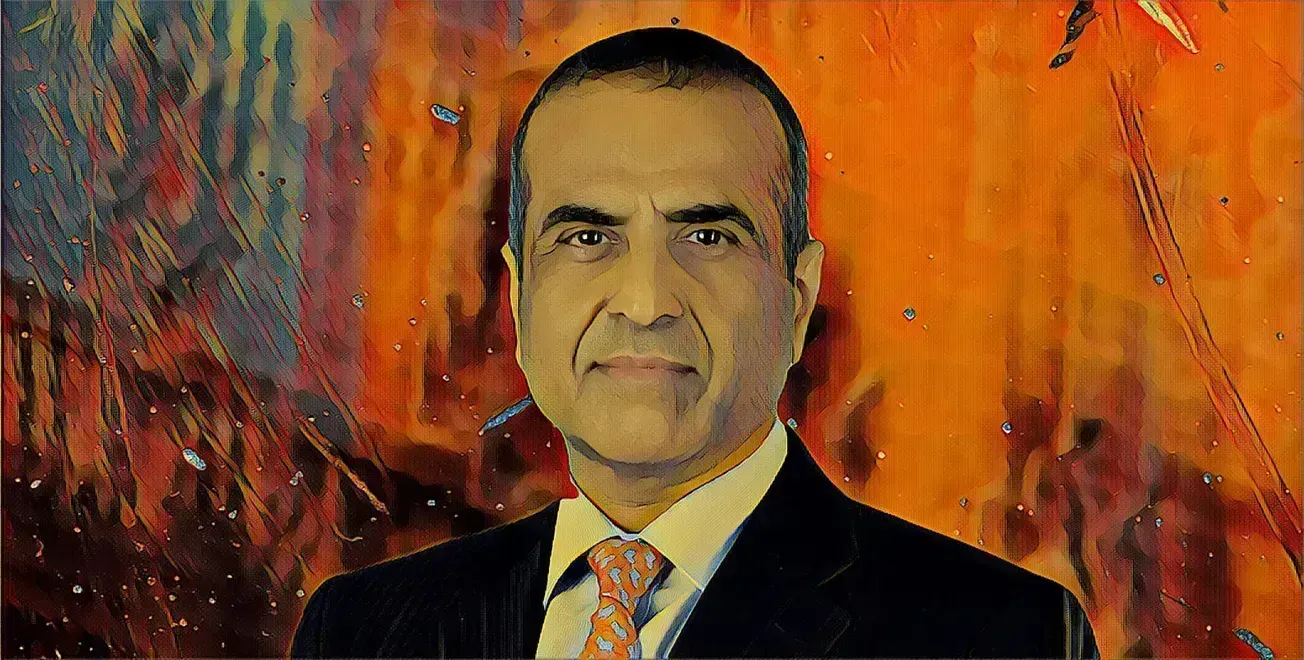
Mittal's connection runs through Bharti Airtel, the Indian carrier he founded, which is Airtel Africa's majority shareholder. He chaired Airtel Africa until July, when Gopal Vittal succeeded him; he remains chairman of Bharti Enterprises. Airtel Africa is not selling, so the float puts no cash in his hands. What it does is fix a public price on a business Bharti controls through two layers of ownership, and that price came in a billion or two short of the pitch.
The listing lands in a crowded window. MNT-Halan, Egypt's first fintech unicorn, is preparing to sell 20% of its local business in Cairo, and the Dangote refinery's Lagos offer closes on Oct. 13, the day before Airtel Money starts trading. What London pays on the 14th will set the comparable for all of them, and whether $7 billion was a bargain or a ceiling will be known by the close.
The intelligence satisfies curiosity. The paid briefings satisfy strategy.
Every Monday, Elite subscribers receive an Investor Memo breaking down the deal, the structure and the positioning behind the week's most consequential African wealth story - the kind of analysis that doesn't appear anywhere else.
Twice a month, a Wealth Intelligence brief profiles a single billionaire's holdings, cash flows and expansion pipeline in detail no public source matches.
→ Executive ($25/mo): Daily newsletter + Deep-Dive Reports
→ Elite ($75/mo): Everything above + Investor Memos + Wealth Intelligence + Quarterly Analyst Briefings
Subscribe now