

Table of Contents
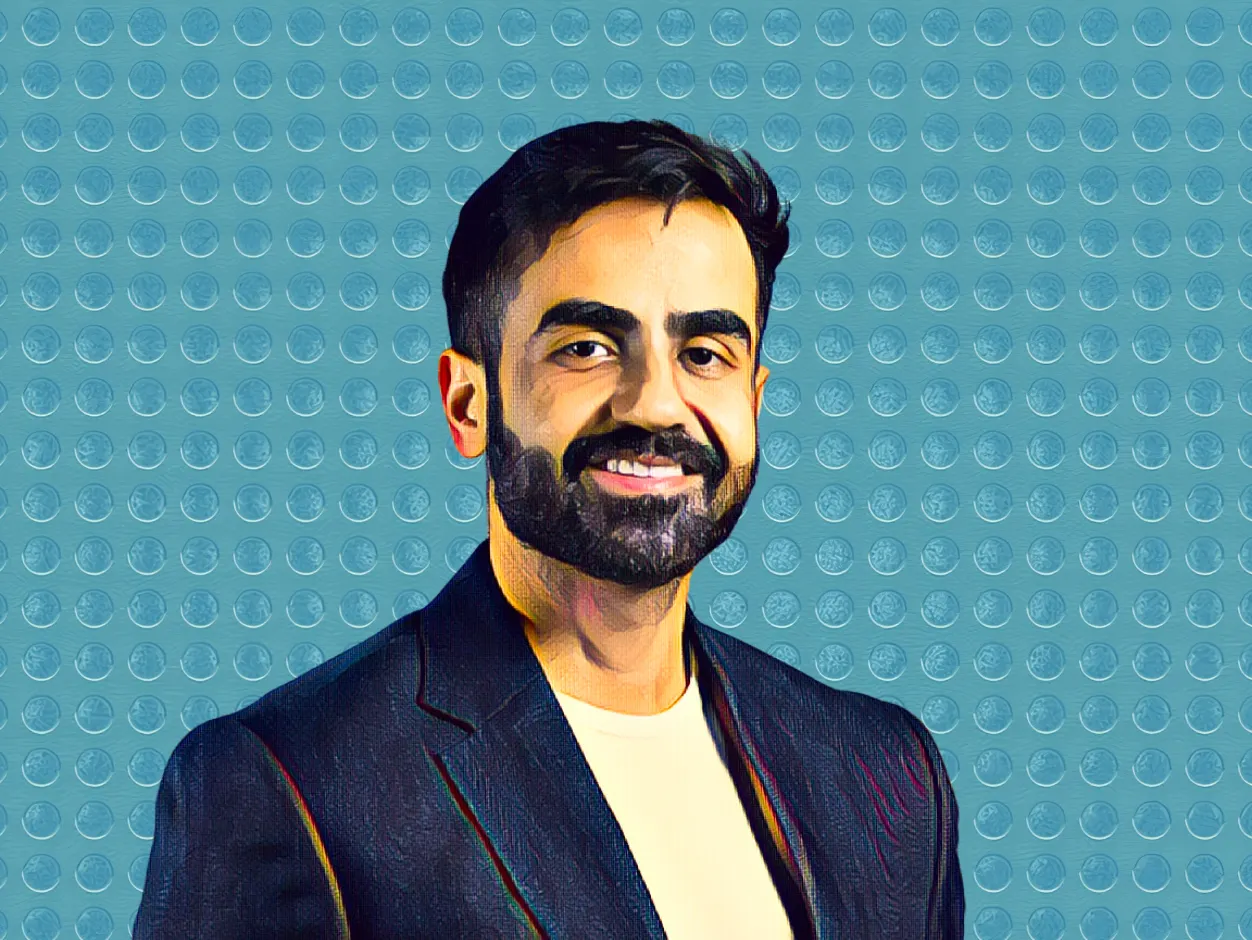
Nikhil Kamath, the billionaire co-founder of Indian stock brokerage Zerodha, has co-led a Rs 4 crore, or about $450,000, seed round in Aignosis, a Jaipur-based startup that uses artificial intelligence to screen young children for autism and other developmental conditions.
The round was led by Kamath and the early-stage investment firm Antler, Indian Startup News reported. Varun Dua, founder of digital insurer Acko, and IIMA Ventures, the startup incubator at the Indian Institute of Management Ahmedabad, also invested.
Aignosis will use the money to roll out its screening platform across India, moving from developing and testing its technology to deploying it in public and private healthcare networks.
"This funding marks a shift for Aignosis from building and validating the technology to taking it into the healthcare system at scale," said Raksheet Jain, who co-founded the company with Divyansh Mangal.
Screening with a laptop and a webcam
The system runs on a standard laptop with a webcam and is designed for children between 16 months and nine years old. The child watches a short video made up of nine segments, while computer vision software analyzes behavioral signals such as where the child looks, how they respond to their name and how they react to facial expressions.
The software then produces a risk report showing whether the child may need a full clinical assessment. It does not diagnose autism.
Aignosis says it has completed the approval process with India's Central Drugs Standard Control Organisation and received Class B certification for the technology. Google selected the company for its 2025 Google for Startups Accelerator program for AI-focused companies, one of 20 startups picked from more than 1,600 applicants.
Starting in government clinics
The company sells mainly through pediatricians rather than as a standalone device, under a model it calls "clinic-in-clinic." Doctors use the screening tool in their own practices to identify children who may need further assessment or referral.
It is already used in more than 20 government primary health centers in the northern state of Rajasthan. Aignosis has also partnered with drug maker Mankind Pharma, whose sales representatives are helping run screening camps with pediatricians, and it is starting work with the Apollo SHINE Foundation across about 125 schools.
Kamath said the company's focus on smaller clinics and public health centers was what drew him in. "Most healthcare innovation in India is built for the top of the pyramid and never leaves it," he said. "Aignosis is going the other way, starting in government health centres and small clinics, not private hospitals in metros. That's distribution thinking that actually moves the needle at scale."
Aignosis has carried out more than 8,000 screenings so far and aims to reach at least 100,000 by the end of the 2026-27 financial year. It is preparing to expand into Punjab, the National Capital Region around Delhi, Haryana, Tamil Nadu, Jharkhand, Karnataka and Maharashtra.
Kamath's growing portfolio
The deal is small for Kamath, who co-founded Zerodha with his brother Nithin in 2010 and built it into India's largest stock brokerage by active clients. The brothers' fortune comes largely from their stake in the business, which has grown without outside venture funding.
Kamath has become one of India's most visible individual investors, backing early-stage companies in health, consumer goods and financial services, often alongside venture firms. He also hosts a popular podcast, "WTF is," on which he interviews business leaders, politicians and celebrities.
Early screening is a large unmet need in India. Many children with autism are not identified until well past the age when early intervention is most effective, especially outside major cities, where specialists are scarce. Aignosis is betting that a low-cost tool used by local pediatricians and government clinics can close part of that gap.
The intelligence satisfies curiosity. The paid briefings satisfy strategy.
Every Monday, Elite subscribers receive an Investor Memo breaking down the deal, the structure and the positioning behind the week's most consequential African wealth story - the kind of analysis that doesn't appear anywhere else.
Twice a month, a Wealth Intelligence brief profiles a single billionaire's holdings, cash flows and expansion pipeline in detail no public source matches.
→ Executive ($25/mo): Daily newsletter + Deep-Dive Reports
→ Elite ($75/mo): Everything above + Investor Memos + Wealth Intelligence + Quarterly Analyst Briefings
Subscribe now