


Table of Contents
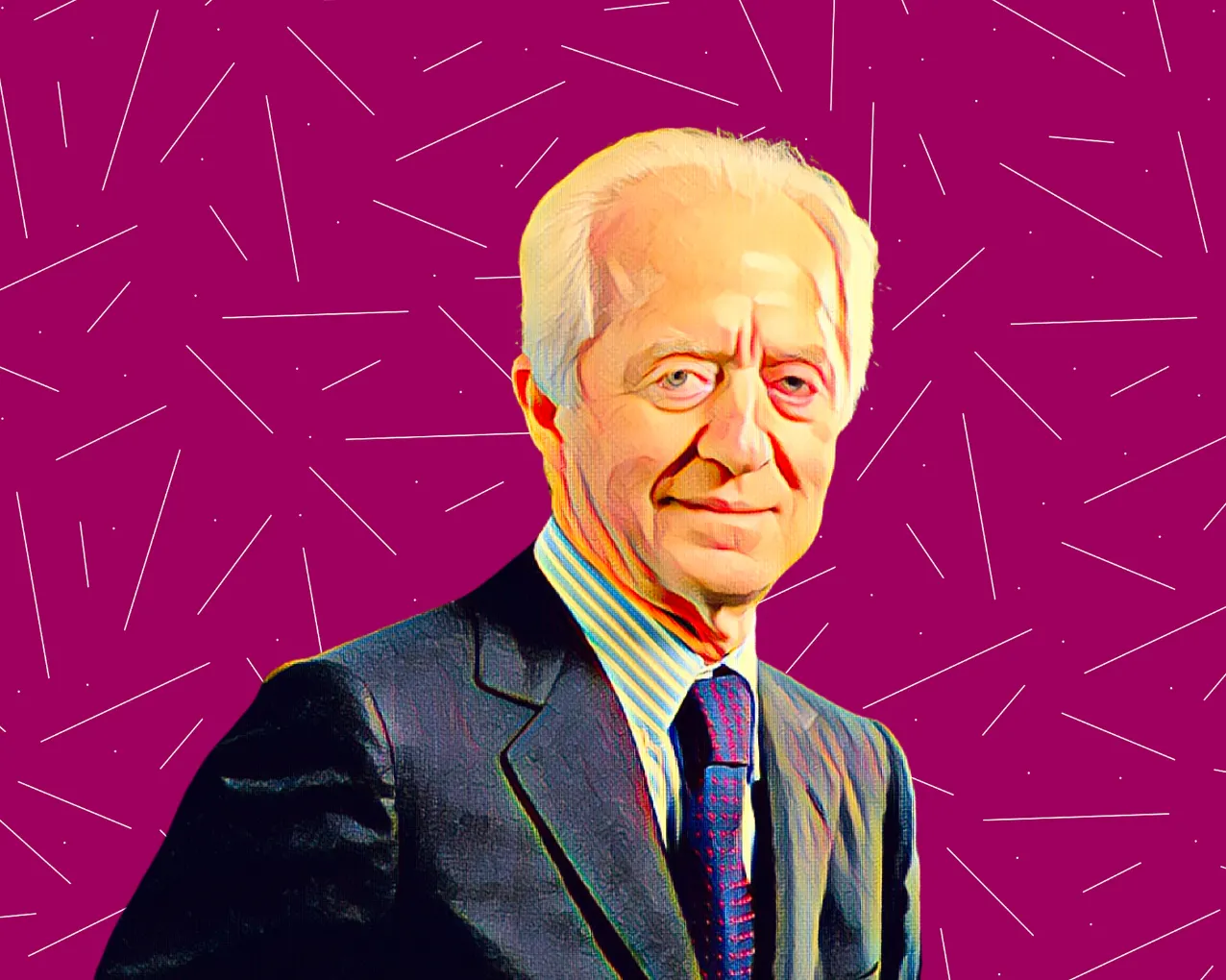
German-Canadian billionaire Tobi Lutke, the co-founder and chief executive of e-commerce company Shopify, has seen his fortune rise by about $5 billion since July to $15 billion, according to the Bloomberg Billionaires Index, during a stretch in which his public comments have drawn some of the sharpest criticism of his career in Canada.
Most of Lutke's wealth comes from his stake in Shopify, the Ottawa-based company whose software lets merchants run online stores and process payments. Bloomberg estimates he owns about 6% of the company, mostly through class B shares that carry extra votes. Shopify's market value is close to $222 billion, according to a Bloomberg report published on Thursday.
AI deals lift the stock
Investors have rewarded Shopify's push into artificial intelligence. In September, the company announced a partnership with Meta Platforms to bring Meta's AI agent, Muse, onto its platform, letting the assistant act as a personal shopper and complete purchases through Shopify's Shop Pay checkout. Shopify shares rose 7.5% on Sept. 22, the day the deal was announced, according to Traders Union.
Bloomberg Intelligence analysts Anurag Rana and Josh Christensen said Shopify's AI tools could help it win business from Salesforce and Oracle, according to Bloomberg.
Lutke, who was born in Koblenz, Germany, moved to Canada in 2003. A year later, he and two partners started Snowdevil, an online shop selling snowboards, on software he wrote himself. The founders soon concluded that the software was worth more than the snowboards, and Shopify launched in 2006. Lutke has been chief executive since 2008, took the company public in 2015 and became a billionaire in 2017, according to Bloomberg.
Comments on voting rights
The rise in his wealth has come as Lutke has used his account on X to weigh in on Canadian politics, often in ways that have angered critics.
In late July, he replied "Good system" to a post by Eric Thor, a retired TD Bank executive, who proposed "weighted voting proportional to the amount of income tax you pay." Under that plan, people who pay no income tax would get no vote and the highest earners would get up to five. Lutke added, "Reward productive people with leverage," according to Daily Hive.
In the same thread, he suggested that pensioners should give up their vote. "Now you are a dependant and that means no voting, just like dependants under age," he wrote, according to HCAMag, which summarized the exchange. The posts were later deleted, Bloomberg reported.
The remarks drew rebukes from academics and civil liberties groups. Dennis Pilon, a political scientist at York University, told CTV News the episode showed a return to a "19th century plutocracy." The Canadian Civil Liberties Association said such a system would violate Section 3 of the Canadian Charter of Rights and Freedoms, which guarantees every citizen the right to vote. Critics also pointed out that Shopify's dual-class structure gives Lutke about 40% of the voting power with roughly 6% of the economic interest.
Tariffs, fentanyl and protests
Bloomberg reported that Lutke has also criticized Canada's counter-tariffs on U.S. goods, appeared to accept President Donald Trump's claim that Canada was not doing enough to stop fentanyl from crossing the border, and suggested police were more tolerant of disruptions by pro-Palestinian protesters. He has also faced backlash over a Shopify merchant selling items that implied gay people groom children, according to Bloomberg.
Lutke did not respond to Bloomberg's request for comment. People who know him described the posts as part of his style. "He loves the debate," said John Ruffolo, an early Shopify investor. Rob Janson, chief investment officer of Westcourt Capital Corp., said, "You can't have a debate if you're not willing to be offended."
The criticism has not changed where Shopify does business. Lutke has kept the company's headquarters in Ottawa and a large presence in Toronto, at a time when many Canadian start-ups move to the U.S. A survey by the group TechTO of 48 Canadian founders backed by the Silicon Valley accelerator Y Combinator found that 91% first incorporated in Canada, but 75% later set up a U.S. entity, according to Bloomberg.
He is also involved with Build Canada, a group of technology founders that publishes policy proposals for the Canadian economy, CBC News has reported.
The intelligence satisfies curiosity. The paid briefings satisfy strategy.
Every Monday, Elite subscribers receive an Investor Memo breaking down the deal, the structure and the positioning behind the week's most consequential African wealth story - the kind of analysis that doesn't appear anywhere else.
Twice a month, a Wealth Intelligence brief profiles a single billionaire's holdings, cash flows and expansion pipeline in detail no public source matches.
→ Executive ($25/mo): Daily newsletter + Deep-Dive Reports
→ Elite ($75/mo): Everything above + Investor Memos + Wealth Intelligence + Quarterly Analyst Briefings
Subscribe now