


Table of Contents
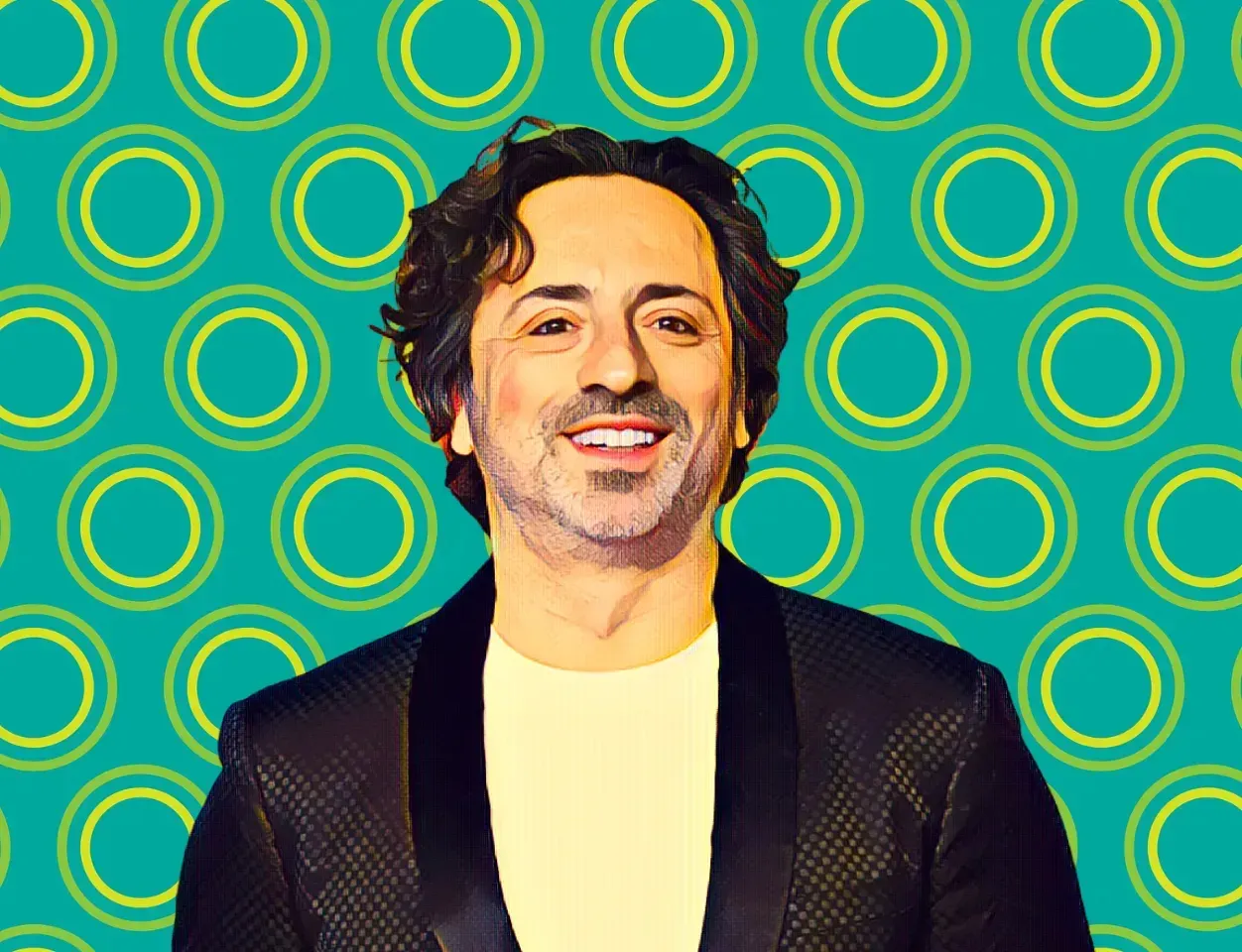
Google co-founder Sergey Brin and a group of fellow technology billionaires are spending more than $1 million a day to defeat California's proposed one-time tax on billionaires, and polls show support for the measure has fallen sharply a week before voters decide.
Building a Better California, the committee Brin co-founded with former Google Chief Executive Officer Eric Schmidt, had spent more than $304 million on the fight by Oct. 20, according to state campaign finance records. It has raised about $333 million in all. The group gave $118.5 million to the main committee opposing Proposition 40 and $186 million to back two rival measures on the same ballot that could cancel the tax even if it passes.
The money far outstrips what the other side has. Supporters have raised about $32 million, nearly all of it from the Service Employees International Union-United Healthcare Workers West, the health care workers' union that put the tax on the ballot.
Support for the tax slips
Support has fallen as the spending has mounted. A UC Berkeley Institute of Governmental Studies poll in March found 52% of voters backing the tax and 33% opposed. By mid-September, the same survey showed 45% in favor and 42% against. A poll of 909 likely voters by the university's Citrin Center, taken Oct. 9 to 14, put support at 46% and opposition at 43%, with 11% undecided. G. Cristina Mora, co-director of the Berkeley institute, said in September that "ballot measures for new taxes tend not to pass."
The Citrin Center survey found that 84% of registered voters had seen ads or messages about the tax. About two-thirds said they doubted that a tax sold as one-time would stay that way.
Suzanne Jimenez, chief of staff at SEIU-UHW, said "Prop. 40 is winning." She said the 11% of undecided voters "will break in favor of prop 40."
Who is paying
Brin, 53, remains the largest donor, with $102 million given to Building a Better California. Schmidt has given $40.2 million, and John Doerr, the venture capitalist who backed Google and Amazon.com Inc. early, has given $40 million. Stripe co-founder Patrick Collison has put in $33.2 million, Sun Microsystems co-founder Vinod Khosla about $12.5 million and Ripple co-founder Chris Larsen $12.5 million. Larsen and Ripple have each given another $5 million to a separate committee opposing the tax.
PayPal co-founder Peter Thiel gave $3 million in January to the California Business Roundtable's issues committee, which has also put money into the campaign against the measure.
Abby Lunardini, a spokeswoman for Building a Better California, said the group opposes the tax "because it will devastate the state's budget, tax base, and economy."
What voters will decide
Proposition 40 would impose a one-time 5% tax on the net worth of Californians worth more than $1 billion who lived in the state on Jan. 1, 2026. The union says it would raise about $100 billion, mostly for Medi-Cal, the state's health program for low-income residents.
Proposition 41 would require audits of new special taxes and limit how their revenue is spent. Proposition 42 would bar new state taxes on personal property such as investments and business stakes. If Proposition 42 and the billionaire tax both pass, the one with more votes takes effect. Governor Gavin Newsom, who opposes the billionaire tax, endorsed Proposition 42 on Oct. 9.
Economists are split on how much the tax would raise. A working paper published this month by Joshua Rauh and Benjamin Jaros of Stanford University's Hoover Institution estimated the tax would bring in about $30 billion, because billionaires who have already left the state took nearly 30% of the expected base with them. They said lost income tax from departures could leave California $38.9 billion worse off over time. Economists who helped design the measure, including Emmanuel Saez of UC Berkeley, argue that it would take about 25 years for lost income tax to match the expected windfall, even if every billionaire left.
Californians vote on Nov. 3.
The intelligence satisfies curiosity. The paid briefings satisfy strategy.
Every Monday, Elite subscribers receive an Investor Memo breaking down the deal, the structure and the positioning behind the week's most consequential African wealth story — the kind of analysis that doesn't appear anywhere else.
Twice a month, a Wealth Intelligence brief profiles a single billionaire's holdings, cash flows and expansion pipeline in detail no public source matches.
→ Executive ($25/mo): Daily newsletter + Deep-Dive Reports
→ Elite ($75/mo): Everything above + Investor Memos + Wealth Intelligence + Quarterly Analyst Briefings
Subscribe now


