

Table of Contents
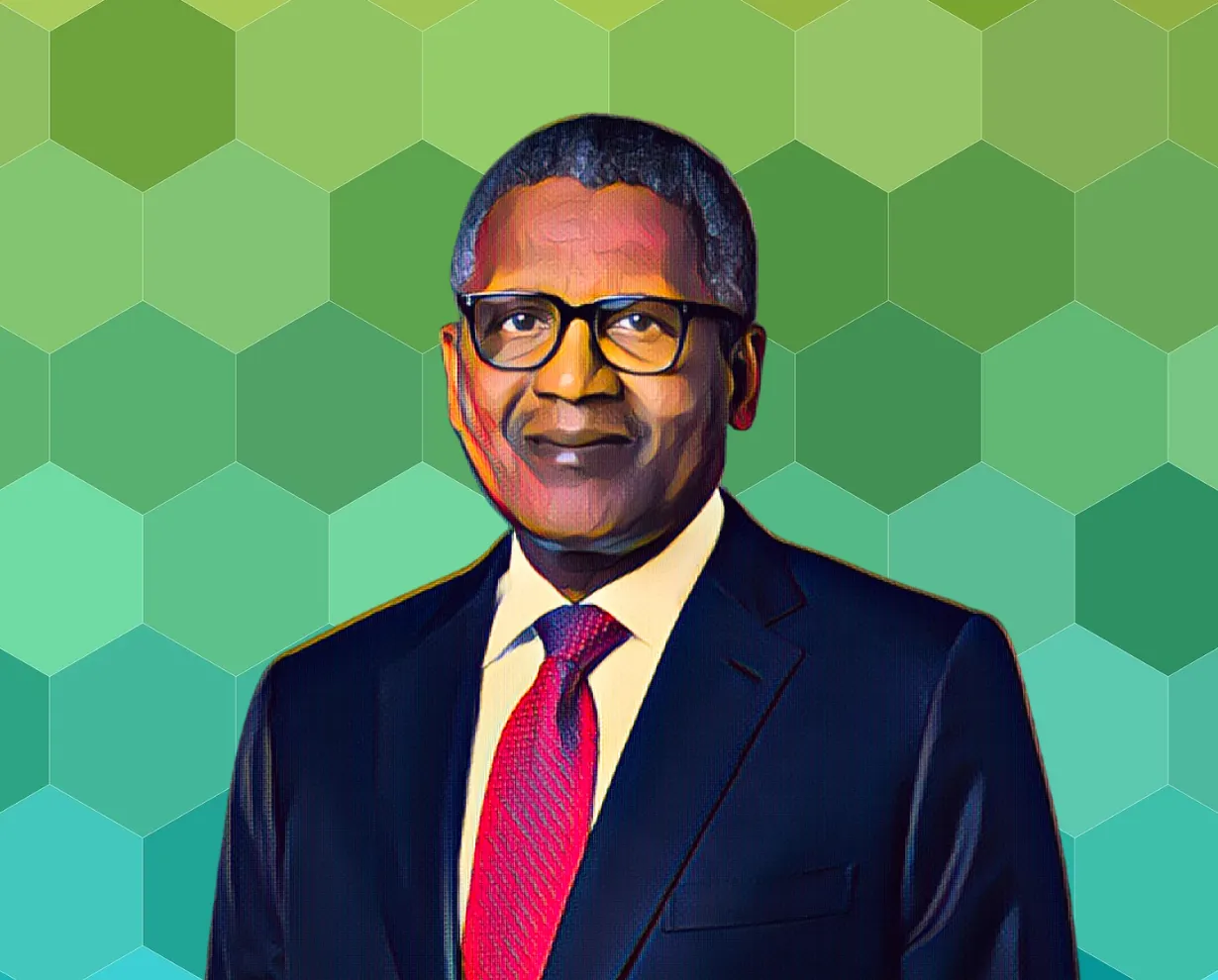
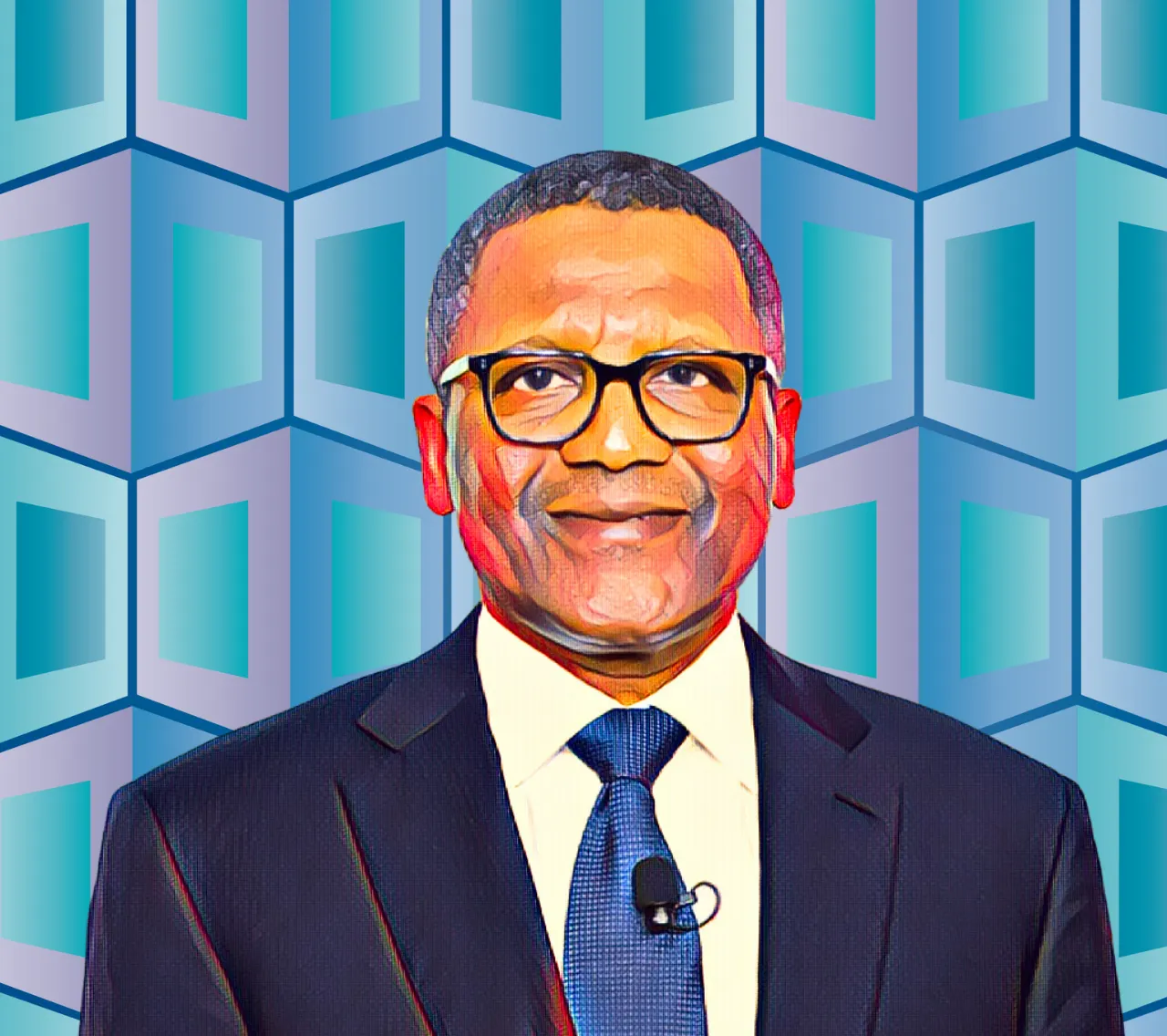
Aliko Dangote, Africa's richest man, called for urgent measures to deal with an estimated $7 billion that oil and gas companies owe Nigerian banks, warning that the debt could choke local financing for the industry and slow the country's push to pump more crude.
Dangote, president of Dangote Group, spoke on Nov. 11 as keynote speaker at the executive session of the 44th Annual International Conference and Exhibition of the Nigerian Association of Petroleum Explorationists in Lagos.
He said the exposure threatens the ability of Nigerian banks to keep funding oil and gas projects at a time when the government wants output to rise. He urged the Central Bank of Nigeria and commercial lenders to work together to restore confidence in the petroleum sector and free up credit.
Nigerian banks should lend more to indigenous operators so they depend less on foreign capital, he said. Trust, transparency and sound corporate governance are needed to fix the financing problem and draw in new money, he added.
Production targets
Dangote questioned Nigeria's goal of producing 3 million barrels of crude a day by 2030, saying it was not ambitious enough. He pointed to earlier targets of 4.2 million barrels a day by 2024 and urged the government to set bolder goals, spend more on exploration and build local technical skills.
He said inconsistent government policy remains one of the biggest obstacles to investment, and called for predictable regulation, political stability and follow-through on reforms that have been announced.
The businessman also pressed for more investment in petrochemicals, arguing that Nigeria should not rely only on pumping and refining crude.
"If you invest $20 billion in the chemical industry, I can tell you, you can have a revenue of not less than $30 billion," he said, adding that most of that would be profit.
Reliable electricity, modern transport, affordable long-term loans, local supply chains and a skilled workforce are the building blocks of industrial growth, he said. More processing and manufacturing at home would create jobs, lift exports, cut imports and support the naira.
Dangote's own borrowing
Dangote speaks to the industry as one of its biggest borrowers and customers. His 650,000-barrel-a-day refinery in the Lekki Free Zone near Lagos, which cost about $20 billion to build, relies heavily on crude bought from Nigerian producers and has been financed by a mix of local and international lenders.
The refinery cut its debt by ₦798 billion to ₦7.9 trillion ($5.8 billion) in the first half of 2026 as it prepared for a public share sale. That initial public offering, the largest in Africa's history, drew about ₦5.85 trillion ($4.3 billion) in applications from nearly 3.8 million investors.
Dangote, 69, built his fortune in commodities trading before moving into cement, sugar, salt, fertilizer and, most recently, oil refining. Dangote Cement Plc, Africa's largest cement maker, remains the most valuable asset in his group alongside the refinery. Forbes and Bloomberg both rank him as Africa's richest person.
Figures were converted at ₦1,365 to the dollar.
The intelligence satisfies curiosity. The paid briefings satisfy strategy.
Every Monday, Elite subscribers receive an Investor Memo breaking down the deal, the structure and the positioning behind the week's most consequential African wealth story — the kind of analysis that doesn't appear anywhere else.
Twice a month, a Wealth Intelligence brief profiles a single billionaire's holdings, cash flows and expansion pipeline in detail no public source matches.
→ Executive ($25/mo): Daily newsletter + Deep-Dive Reports
→ Elite ($75/mo): Everything above + Investor Memos + Wealth Intelligence + Quarterly Analyst Briefings
Subscribe now