


Table of Contents
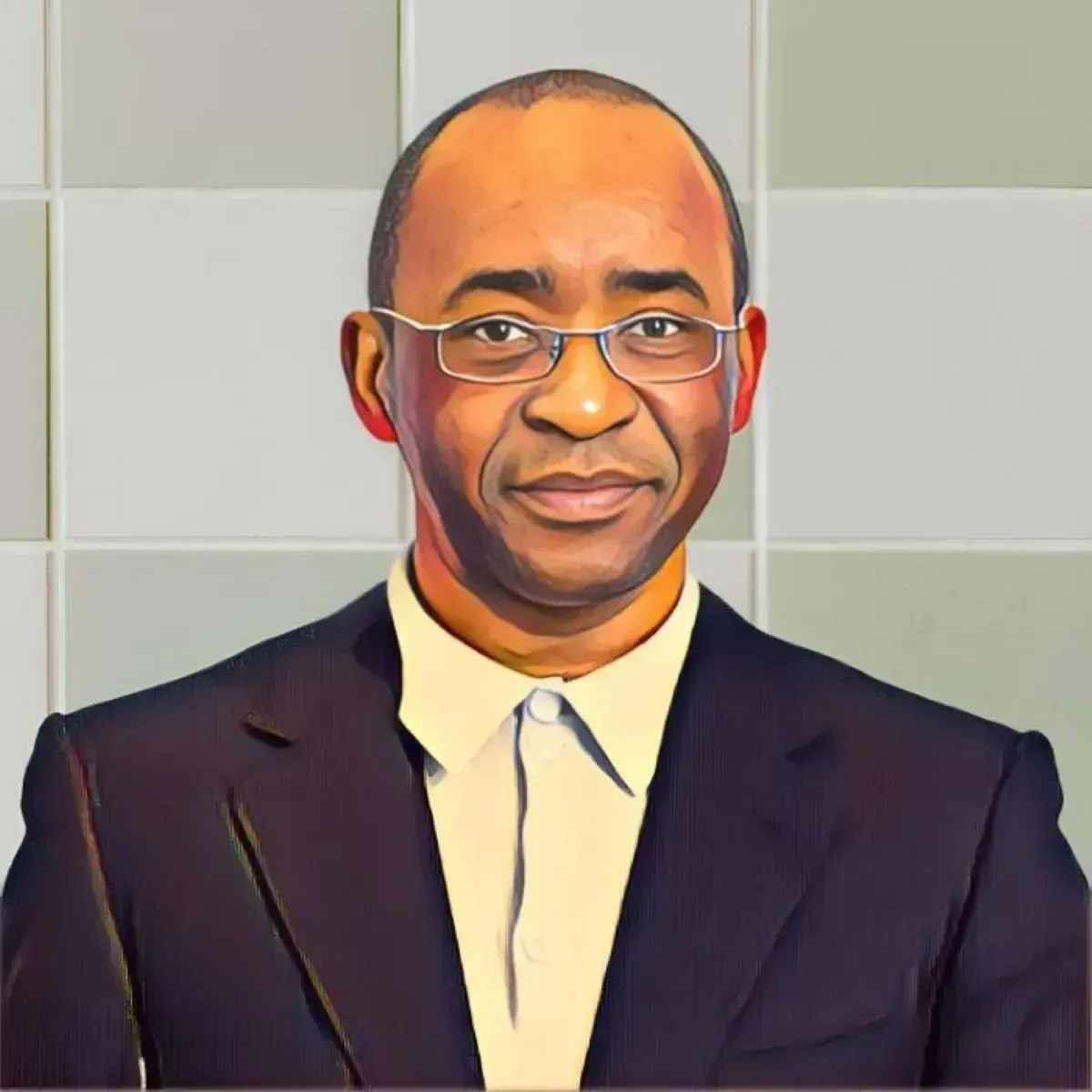
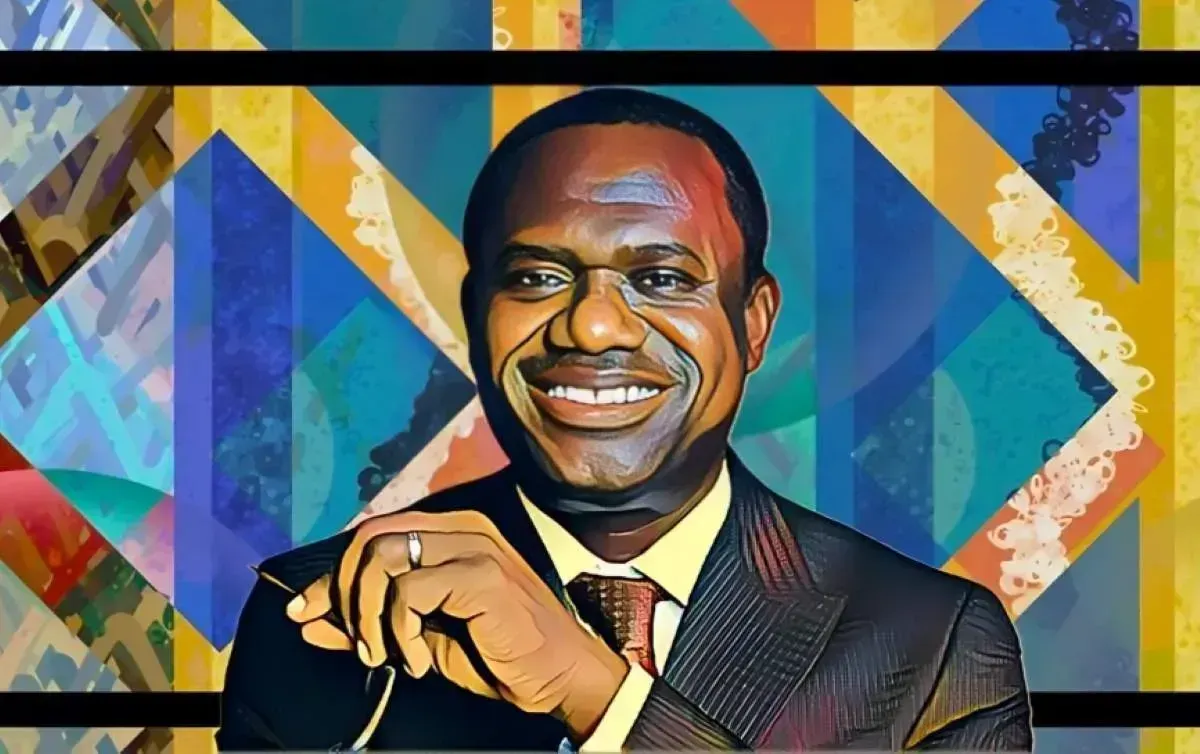
Indian-born billionaire Sunil Vaswani built Stallion Group from his father's small trading business in Lagos into one of West Africa's largest private conglomerates, a car assembler, rice miller and commodities trader with about $4 billion in annual revenue and operations in 18 countries.
The Dubai-based group sells and assembles Nissan, Hyundai and Volkswagen vehicles in Nigeria, holds dealerships for Honda, Audi, Porsche and Skoda, mills rice in Kano and trades fish, fertilizer and building materials across the region. Forbes added Vaswani to its list of India's richest people in 2015 with a fortune of about $2 billion, and the Sunday Times Rich List put his wealth at £1.16 billion in 2021.
The same business has also kept him in conflict with the Nigerian state and its banks for more than two decades. He and his brothers were deported from Nigeria in 2003, declared wanted by the anti-graft agency in 2009 and accused by customs and the Senate of underpaying billions of naira in rice duties in 2015. Last month a federal judge in Lagos upheld United Bank for Africa Plc's right to seize mortgaged Stallion assets over a ₦156 billion ($114 million) debt claim. Stallion denies owing the money and has appealed.
From Jaipur to Lagos
Vaswani was born on July 11, 1963, in Jaipur, in northwestern India, into a Sindhi family. His father, Sundar D. Vaswani, ran a modest trading business in Nigeria, and Sunil grew up there before going to school in London, where he earned a degree in economics and accounting.
The family's roots in West African trade go back further. The group dates its founding to 1969. When Ghana barred the three Vaswani brothers from entering the country in 2003, its interior minister, Hackman Owusu-Agyemang, said their parents had been deported from Ghana on similar grounds in the 1970s.
Vaswani was 21 when he decided the business could be much larger than his father had made it. He took it over "with his kind blessings," he told Entrepreneur Middle East in 2015, and "a burning ambition to make it big." The early business was trade in staple foods, fertilizers, transport, consumer goods and clothing, and he signed on as the local partner of foreign manufacturers that wanted a route into African markets but were wary of the risk.
He named the company after his favorite animal and brought in his younger brothers. Haresh Vaswani joined the car business in 1993, and Mahesh Vaswani became managing director of the group. The motor arm now runs 18 distributorships. By the late 2000s Stallion was trading rice, chemicals, fertilizer, fish, building materials and oil products in Nigeria, Ghana, Benin, Ivory Coast, Senegal, Angola and Cameroon, and had interests in aircraft leasing, textiles, plastics, motorcycle assembly and rice milling.
Vaswani moved the headquarters to Dubai, where he lives with his wife, Rita, in a villa in Emirates Hills. They have three children. He holds Nigerian and British passports.
Cars, rice and a military contract
The car business became the most visible part of the group. In Nigeria it trades through branded showrooms such as The Honda Place, Hyundai Place, Audi Place and Skoda World, and the group lists Honda, Hyundai, Nissan, Volkswagen, Audi, Skoda, Porsche, Changan, MG, Ashok Leyland and Bajaj among its brands.
Its biggest bet on manufacturing was the old Volkswagen of Nigeria plant on the Lagos-Badagry Expressway, which had been idle for years. Stallion bought the site, now run as VON Automobiles, and began assembling buses and trucks there.
The plant gained new importance under Nigeria's 2013 automotive policy, which raised duties on imported cars to push carmakers to assemble in the country. In October 2013 the Renault-Nissan Alliance signed a memorandum with Stallion, already Nissan's exclusive distributor in Nigeria, to expand the VON plant to 45,000 vehicles a year. "Together with our local partner, Nissan is preparing to make Nigeria a significant manufacturing hub in Africa," Carlos Ghosn, then Nissan's chief executive, said at the time.
The first Nigerian-assembled Nissan Patrol came off the line in 2014, followed in August that year by the first locally assembled Hyundai passenger cars. Volkswagen then returned to the factory it had left two decades earlier, with the Passat, Jetta, CC and Amarok. "This is a great moment for Stallion in partnering a world leading global brand like Volkswagen," Vaswani said. Ashok Leyland and Iveco trucks were also assembled at the plant.
Government business followed. In 2014 Stallion Motors won a federal contract to supply 700 Ashok Leyland trucks and troop-carrying vehicles and 50 Falcon buses to the military, financed in part through loans from United Bank for Africa.
The second pillar was rice. Nigeria spent years trying to cut rice imports, and Stallion was on both sides of that policy, as one of the largest importers and later as a local miller. Its subsidiary Popular Farms and Mills Ltd. runs a mill in Kano and a processing site in the Challawa industrial area. In July 2015 Vaswani pledged more than ₦30 billion ($152 million at the time) to expand the group's rice business. The company says it has invested more than $70 million in rice and sesame and has 430,000 metric tons a year of installed milling capacity.
In April 2019 Popular Farms broke ground on a further 140,000-ton rice mill expansion and a 44,000-ton sesame plant in Kano. The company said it was buying paddy from more than 36,000 outgrowers through 16 aggregation centers in 11 states.
Forbes put the group's revenue at about $3.7 billion in 2015, most of it from Africa, and it had about 10,800 employees a year earlier. Forbes Middle East put revenue at about $4 billion in 2021, when it ranked Vaswani fourth among Indian business leaders in the region, and said the group had committed $9 billion to steel, petrochemicals and agriculture in Africa.
Deportation and duty fights
Vaswani's run-ins with the Nigerian state began long before the bank cases. On May 29, 2003, the government of President Olusegun Obasanjo deported Sunil, Haresh and Mahesh Vaswani. Officials accused them of evading about ₦40 billion ($310 million at the time) in taxes and import duties between 1999 and 2003, and of diverting dollars obtained from the central bank to import fertilizer for a poverty program. Ghana refused to let the brothers in that August, citing security grounds.
The brothers ran the business from Dubai. In December 2007 the government of President Umaru Yar'Adua revoked the deportation order. Forbes later reported that no wrongdoing was found and that the family was allowed to return.
In December 2008 the Economic and Financial Crimes Commission sealed The Honda Place outlet on Victoria Island in Lagos and said it was looking for the three brothers over an import deal it said had cost the government more than ₦4 billion ($30 million at the time). In early 2009 Farida Waziri, then the commission's chairman, declared them wanted over about ₦3 billion ($20 million) in unpaid customs duty on rice.
Stallion said it was the target of a "witch-hunt." It said the rice arrived between May and October 2008, while the government had suspended rice duty to bring down prices, and that every ship entered Nigerian waters before the Oct. 31, 2008, deadline. It said it had disputed later customs demands through official channels and posted a bank guarantee for the amount claimed. Forbes reported in 2015 that the brothers were deported again in 2009 after what it called a legal mix-up, and that the decision was later reversed.
Rice imports drew the group into a new dispute in 2015. Under a quota scheme introduced in 2014, approved importers that invested in local milling paid 10% duty and a 20% levy, against a 60% levy for everyone else. In July 2015 the Nigeria Customs Service sealed premises of Stallion, Olam International and two other firms, saying they had imported more than their quotas and owed ₦23.6 billion ($120 million) in duty. Customs said Stallion, Popular Foods and Masco Agro together owed ₦17.2 billion ($87 million) on about 529,500 tons of excess imports.
In October 2015 a Senate committee on import waivers said Stallion and Olam owed ₦44 billion ($221 million) between them. Its chairman, Adamu Aliero, said Stallion had been allowed 157,000 tons and brought in 457,000, and that it had gone to court rather than pay the customs demand. Harpreet Singh, a Stallion executive director, told the committee the agriculture ministry had undermined the policy by giving quotas to "non-existing millers and investors who have no connection with the policy," and said smuggling across Nigeria's borders had cost the company millions of naira. The House of Representatives ordered its own probe into alleged tax evasion by the group that year.
Vaswani told Entrepreneur Middle East in 2015 that strict ethics and compliance had helped the group get through the allegations against it.
Two banks in court
In recent years the pressure has come from lenders. Guaranty Trust Bank sued Stallion Nigeria Ltd. in 2019, and in December that year the two sides signed a consent judgment over about ₦13 billion ($9.5 million). When the bank's receiver entered Stallion's Victoria Island showroom in February 2023 and took over cars including Porsche, Audi and Bentley models, Stallion went back to court. Justice Ambrose Allagoa of the Federal High Court set the execution aside on Feb. 20, 2023, saying it was "wrongful and done with the intention to undermine the proceedings." Stallion said a preliminary KPMG forensic audit had found the bank overcharged it by more than ₦4.69 billion ($3.4 million), and that it had paid ₦6.42 billion ($4.7 million) more than it owed. The Court of Appeal had already ruled in February 2022 that the bank could not rely on its own breach of the settlement to enforce it. The bank appealed the 2023 ruling.
The United Bank for Africa case is larger. UBA and its Cameroon and Ivory Coast units sued in October 2023, claiming ₦156.03 billion from Stallion Nigeria, VON Automobile Nigeria, Popular Farms and Mills, Stallion Motors, The Honda Place, KRBL Food Industries, Qingqi Motorcycle Manufacturing and other group companies, and from Vaswani himself as guarantor.
The bank says it began lending to Stallion Nigeria in 2014, that Vaswani personally guaranteed the loans and that the facilities financed the military vehicle contract. It alleges that when the trucks were delivered, Stallion Motors told the government to pay the first $50 million into an account in Dubai and moved ₦8.2 billion ($6 million) offshore, contrary to an agreement to route the money through UBA.
On Oct. 20, 2023, Justice Akintayo Aluko froze up to ₦156 billion in the defendants' accounts, barred the defense and finance ministries from paying the companies and let UBA's receiver, Romeo Ese Michael, take over mortgaged property in Lagos, Port Harcourt and Kano. The property includes the site at Kilometer 17 on the Lagos-Badagry Expressway, three plots in Port Harcourt's Trans Amadi industrial area and a site on Challawa Industrial Estate in Kano.
Tajudeen Olalere, an executive director of Stallion Nigeria, called the claim false in December 2023 and said the company did not owe the sum. The company argued that its assets were worth more than the debt, that the bank had promised to reconcile the accounts and that the mortgage had not been registered with the Corporate Affairs Commission within 90 days. It also said it had made substantial repayments and opened talks to restructure the loans.
On Oct. 16, 2026, Justice Daniel Osiagor of the Federal High Court in Lagos ruled for UBA. He upheld the receiver's appointment and the mortgage, held the guarantors liable, barred the companies from diverting money owed to them by government agencies and held that a dispute over the size of a debt does not cancel the debt itself.
Stallion filed a notice of appeal the same day and asked for a stay of execution. The group said it "vehemently disagrees" with the ruling and would "vigorously pursue the appeal."
Five days later it issued a second statement. It said the judgment covered only Stallion Nigeria and certain other companies named in the suit, not the wider group, and that the companies outside the case "have continued production and trading." It said no judgment had been entered against Haresh or Mahesh Vaswani, who were not parties to the case. The statement did not address Sunil Vaswani's position as guarantor.
Vaswani has collected honors along the way. Forbes Middle East ranked him first among Indian leaders in the Arab world in 2015 and 2016, and he received THISDAY newspaper's Game Changer award in 2015. The group's charity, the Stallion Empowerment Initiative, funds education, health and youth programs in West Africa.
He is 63 and still chairs the group from Dubai, with Mahesh as managing director. The Court of Appeal has yet to rule on Stallion's appeal or on its request to halt enforcement of the judgment.
Figures for the bank cases were converted at ₦1,365 to the dollar.
The intelligence satisfies curiosity. The paid briefings satisfy strategy.
Every Monday, Elite subscribers receive an Investor Memo breaking down the deal, the structure and the positioning behind the week's most consequential African wealth story — the kind of analysis that doesn't appear anywhere else.
Twice a month, a Wealth Intelligence brief profiles a single billionaire's holdings, cash flows and expansion pipeline in detail no public source matches.
→ Executive ($25/mo): Daily newsletter + Deep-Dive Reports
→ Elite ($75/mo): Everything above + Investor Memos + Wealth Intelligence + Quarterly Analyst Briefings
Subscribe now