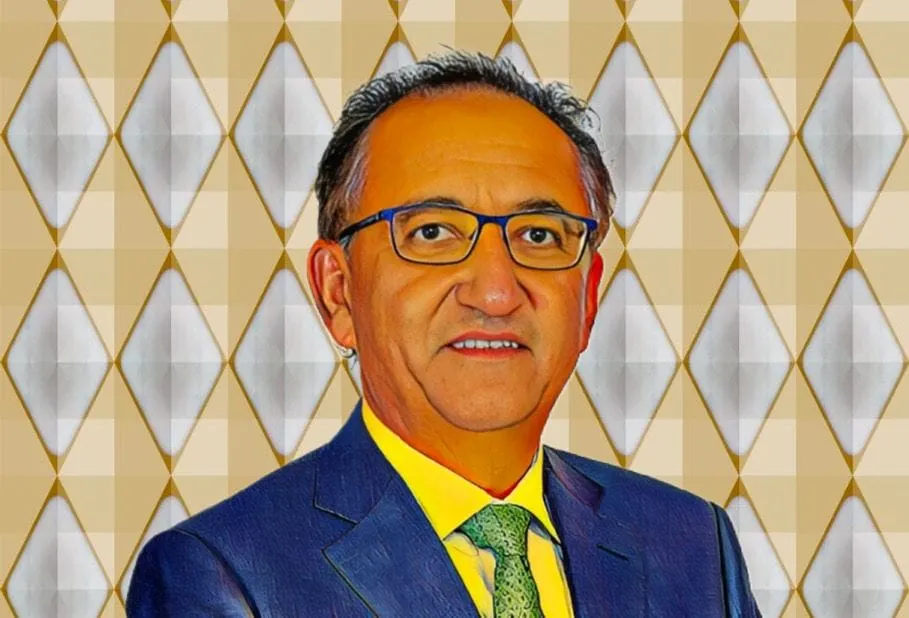
From Boom to Bust: Malawi’s richest man loses $270 million in 3 months
FMB Capital’s stock dips 30%, slashing Hitesh Anadkat’s stake by $274 million. Yet, investors stay confident in the regional banking powerhouse.
 Skip to content


FMB Capital’s stock dips 30%, slashing Hitesh Anadkat’s stake by $274 million. Yet, investors stay confident in the regional banking powerhouse.

IHS Holding divests its 1,465 Rwandan towers to Paradigm Tower Ventures for $274.5 million, refocusing on core markets amid global portfolio reshuffle.

Palm Hills expands beyond Egypt with a major Abu Dhabi project near Saadiyat Island, boosting Gulf presence amid record-breaking Q1 2025 sales.
Aspen’s investment comes amid a broader push to localize manufacturing, enhance drug supply chains, and develop regional talent.

Rostam Aziz’s Mombasa LPG project faces court challenge over alleged environmental harm, coral disruption, and lack of community consultation.

Elsewedy Electric’s shares rise 4.12% in 2025, boosting Ahmed El-Sewedy’s stake amid Egypt’s energy infrastructure and green projects growth.
Barloworld prolongs Russia probe through Sept. 2025 amid sanctions pressure, falling revenue, and possible delisting via Zahid Group-backed buyout.

Sefrioui, founder and majority shareholder of Addoha, holds a 64.78 percent stake—equivalent to 260.8 million shares in the Casablanca-based real estate group.

The miners were stranded Thursday after a skip door on a rock winder opened unexpectedly at Level 39, disrupting access to lower levels.

Pick n Pay, partly owned by the Ackerman family, posted $6.8 billion revenue in 2025 as Boxer growth and recapitalization drove a sharp cut in losses.

Check out how fans are betting on the Premier League and the Copa America this summer. Discover trends, tips, and why Pin-Up is becoming a top choice for football bettors

The contract, awarded by the National Authority for Tunnels (NAT), marks a pivotal push to modernize urban transport in Egypt’s second-largest city.

The court upheld a 2023 loan modification and release agreement barring future claims, ending disputes over alleged business loan issues linked to MMTC.

Over the past 15 days, the company’s stock has risen by 9.64 percent, boosting Mansour’s stake from $43.15 million to $47.31 million.

The property, now known as I&M House@1046, will serve as the new Tanzanian headquarters for the Nairobi-listed lender and host one of its flagship branches.

The payment resolves all pending litigation between the two state-backed firms, according to a Sens announcement issued after the market closed on Friday.