Electric giant led by Egypt's El-Sewedy family inks $274.7 million Qatar contract
Elsewedy Electric signs a $274.7 million Qatar deal to supply and install 132kV power cables, advancing Kahramaa’s grid and Qatar’s infrastructure goals.
 Skip to content


Elsewedy Electric signs a $274.7 million Qatar deal to supply and install 132kV power cables, advancing Kahramaa’s grid and Qatar’s infrastructure goals.
The National Bank of Egypt, Suez Canal Bank, ADCB, IDB, and SAIB served as underwriters for the $55 million Islamic loan.
This brings the Cairo-based fintech startup's total funding to just over $60 million.
MNT-Halan raises EGP 2.5 billion ($49.4 million) in bonds to expand its Egyptian loan book and fuel growth.

In just 26 days, his stake increased by $5 million, driven by a 12.56 percent jump in share price.
The sprawling development, set in the fast-growing New Zayed City in West Cairo, will span 84 feddans.
This acquisition is a strategic move that strengthens DPI's presence across the African continent.
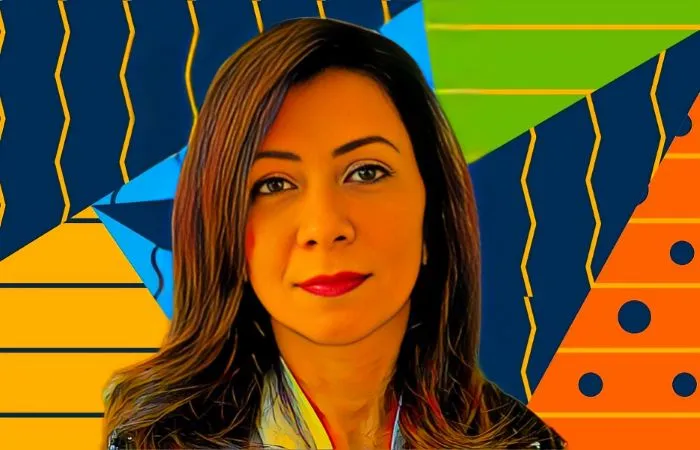
Hend El-Sherbini is one of Egypt’s leading executives and a key figure in the MENA region’s healthcare sector.
GB Corp. stock has risen 19.91% in the past five weeks, boosting the Ghabbour family’s stake value by $45.73 million.
CEO Osama Bishai said Orascom is prioritizing projects with foreign currency funding and international financial backing.
Under the agreement, Alameda will manage and operate a state-of-the-art hospital within TMG’s flagship Madinaty development in East Cairo.
Egyptian billionaire Yasseen Mansour’s vast empire spans real estate, automotive, retail, and finance, solidifying his influence in Egypt’s economic transformation.
Real estate tycoons like Naguib Sawiris and Hisham Talaat Moustafa are shaping Egypt’s skyline with multi-billion-dollar luxury and mixed-use developments.
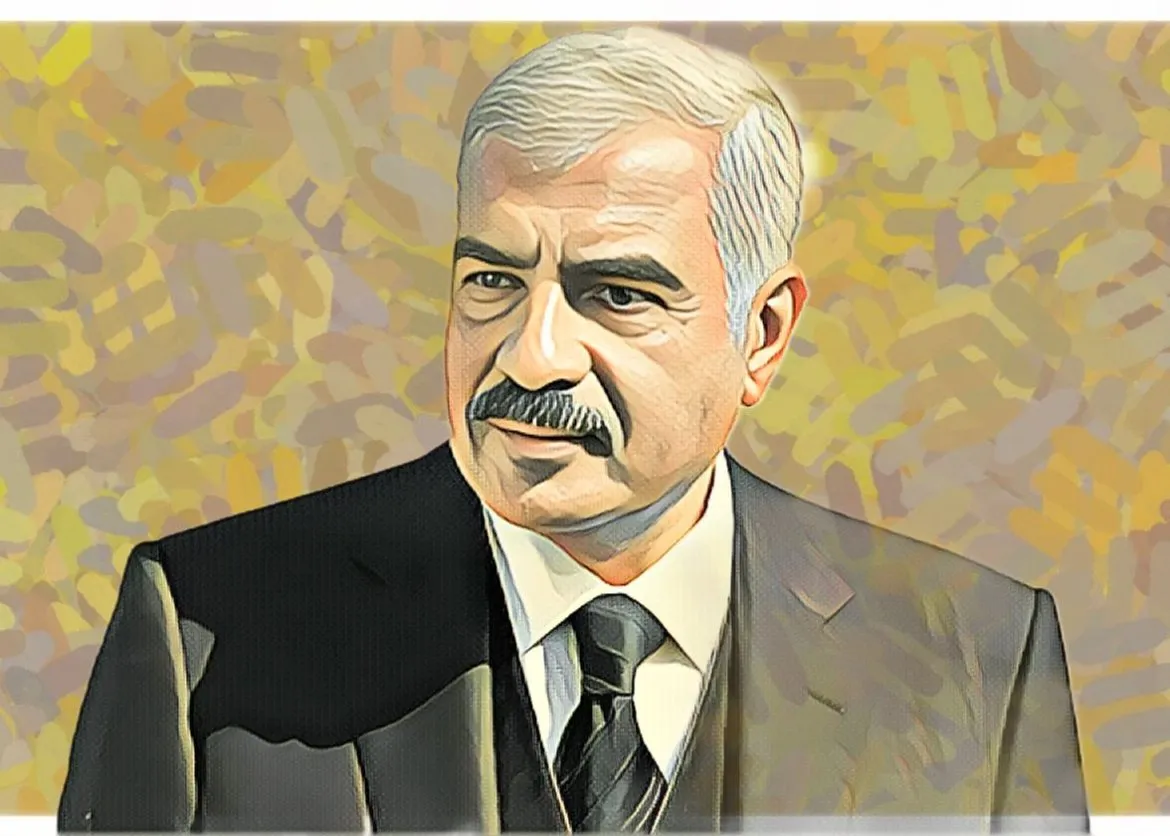
The recovery follows a sharp decline between Jan. 1 and Feb. 7, when the market value of his stake dropped by EGP 2.84 billion ($56.48 million).
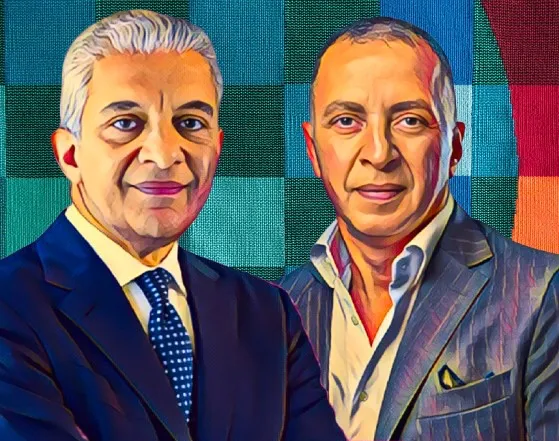
With a strong financial foundation, Elsewedy Electric is positioning itself for further expansion, reinforcing its role as a key player in the global energy and infrastructure market.
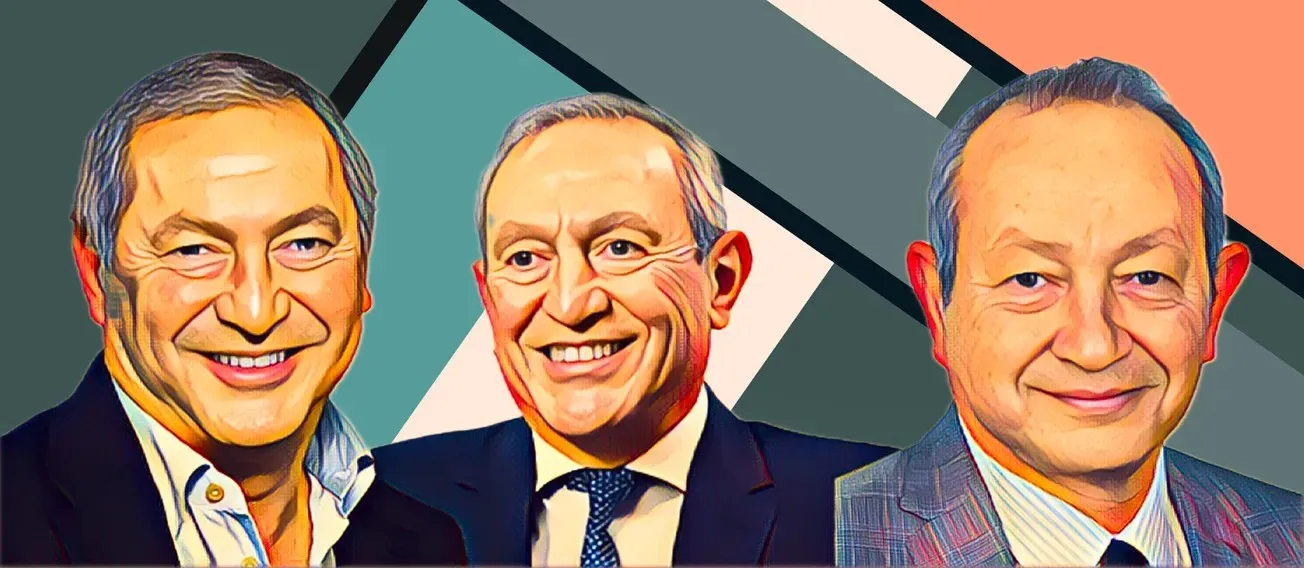
The company has secured the contract to develop “Campus 2026,” a major expansion of The American University in Cairo (AUC).