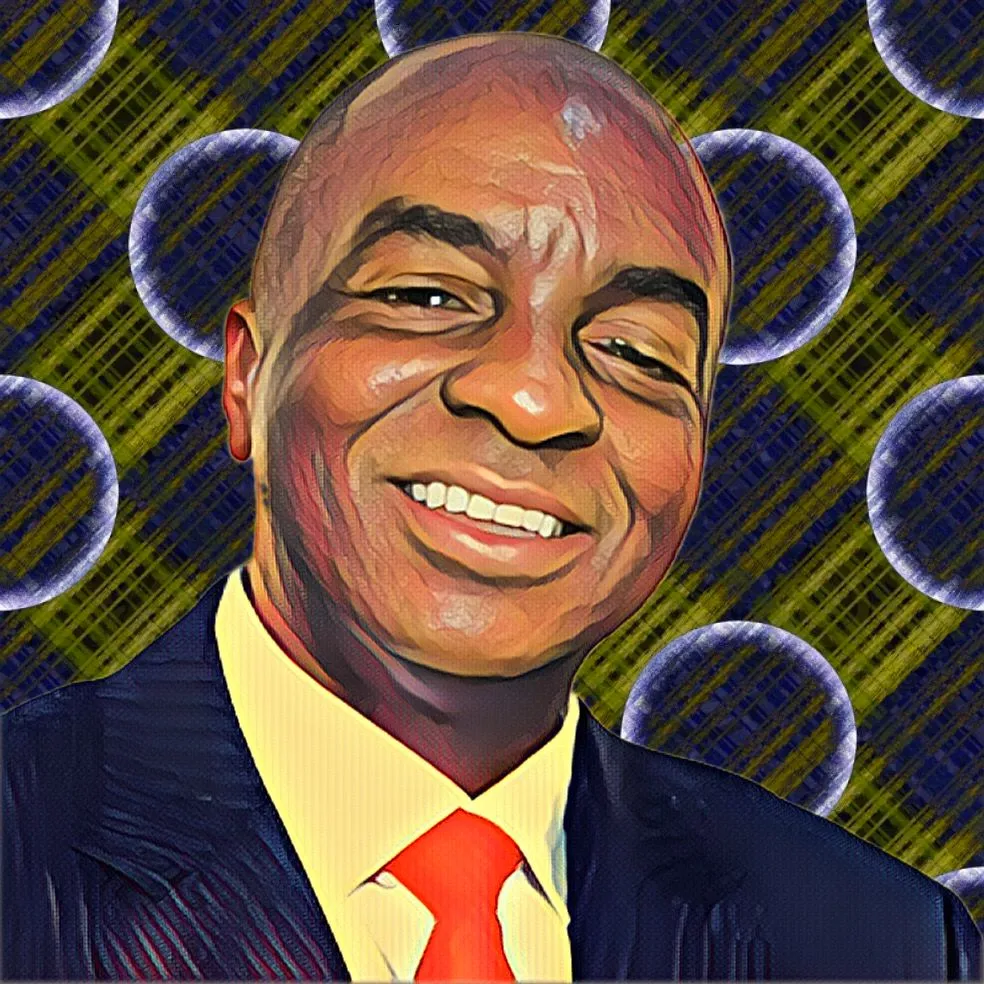
8 businesses owned by Nigeria’s richest pastor, Bishop David Oyedepo
Billionaires.Africa explores eight businesses founded by Bishop Oyedepo. His remarkable influence extends far beyond Nigeria.
 Skip to content


Billionaires.Africa explores eight businesses founded by Bishop Oyedepo. His remarkable influence extends far beyond Nigeria.

As a result of this recent $470 million decline, Sawiris, who ranks as the richest man in Egypt and the Arab world, is presently the 322nd wealthiest individual globally.
Johnson’s empire extends far beyond the realm of sports. He is a majority owner of EquiTrust, a life insurance company that he acquired in 2015.
As Custodian Investment’s largest shareholder, Oshin holds a 26.81-percent stake, representing 1,576,662,503 ordinary shares.
The donation will cover the tuition fees of 750 students.

From street-wear to fragrances and venture investing, Pharrell William’s entrepreneurial spirit knows no bounds.

Ngannou’s spectacular performance against Tyson Fury sparks speculation of a showdown with Deontay Wilder among fight fans.
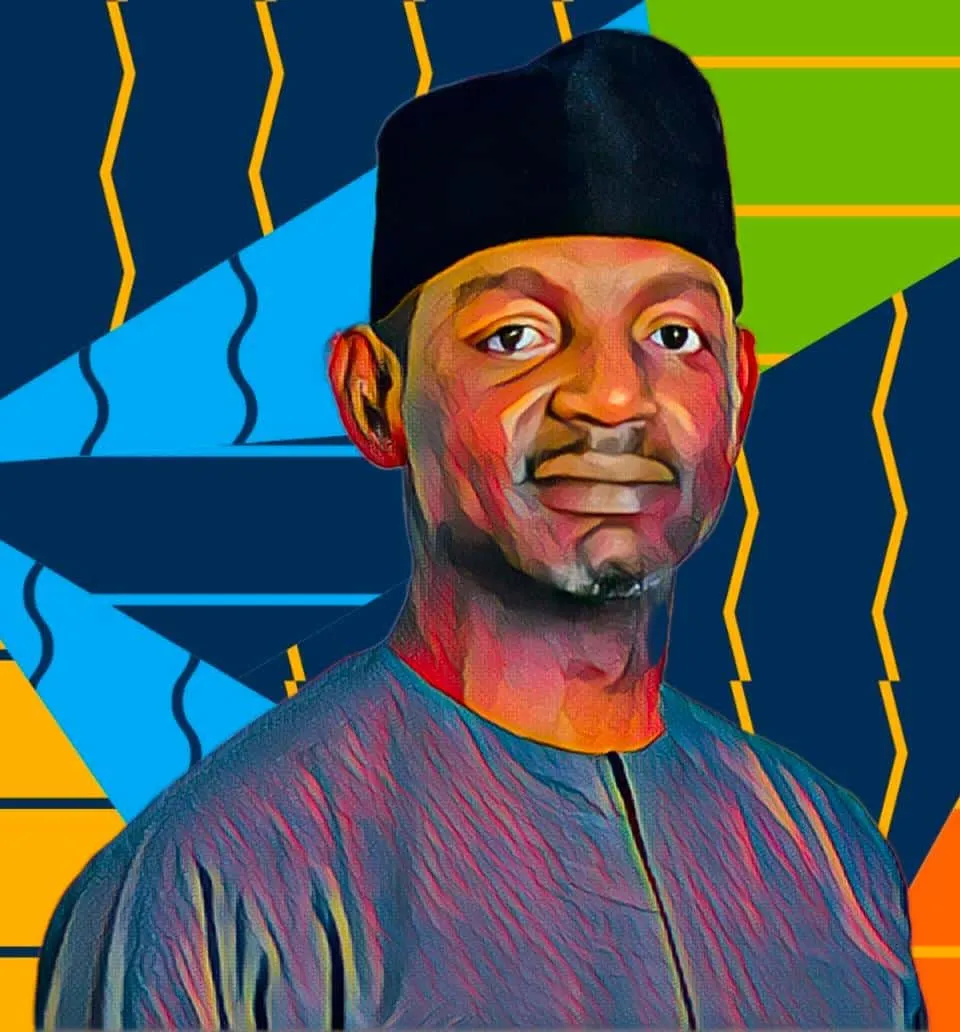
Dantata, a multimillionaire businessman and the majority stakeholder in MRS Oil Nigeria, owns 60 percent of the company, or 205,730,806 ordinary shares.

Durand’s impact on these five businesses showcases his exceptional business acumen in the tech world.
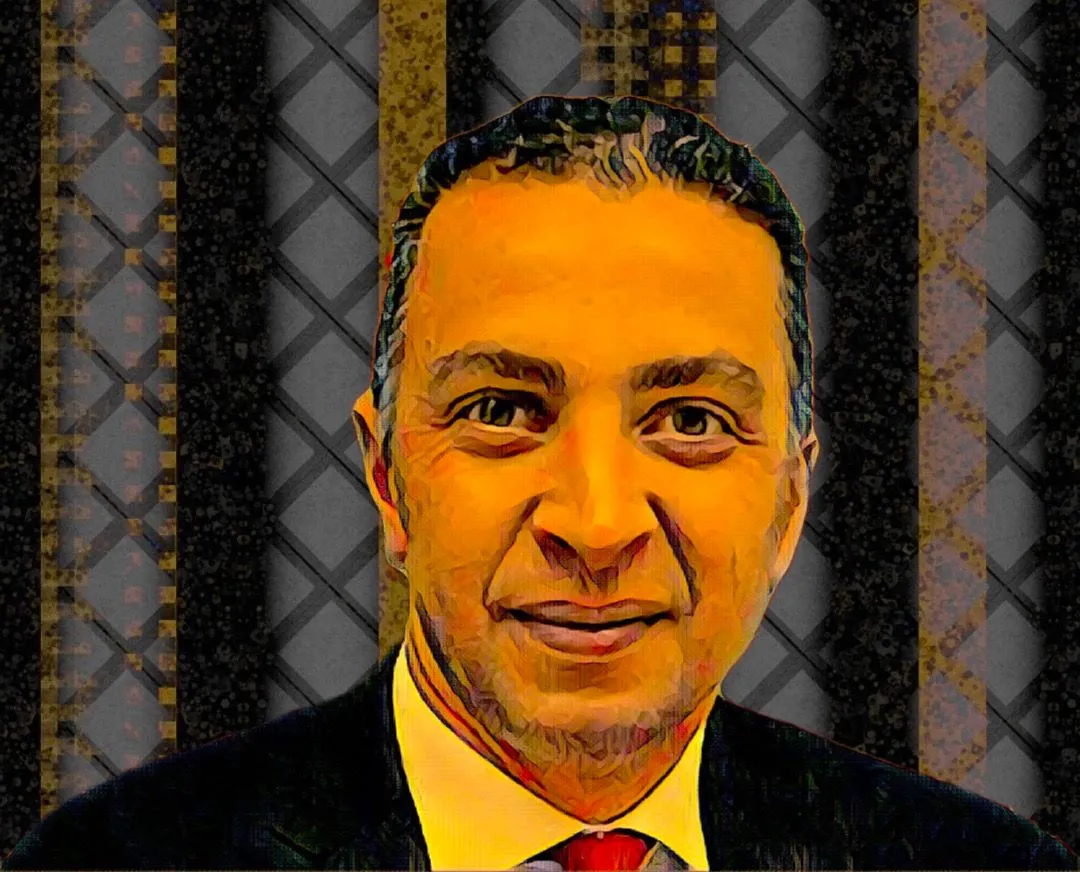
Ahmed El-Sewedy and his siblings, Sadek and Mohammed, jointly own a majority stake of 68.1 percent in Elsewedy Electric.

Billionaires.Africa has identified and tracked companies owned by Kimani.
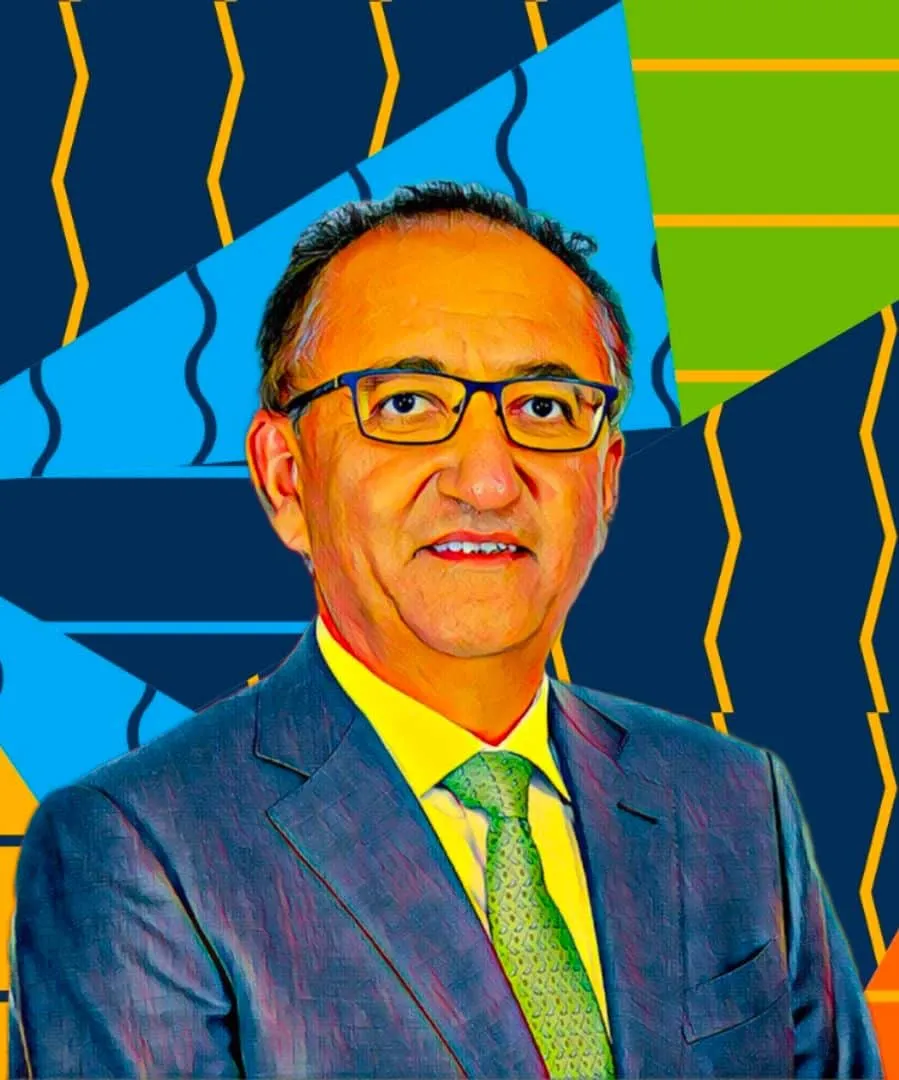
Anadkat presently owns an impressive 35.51-percent stake in FMB Capital, which translates to 872,924,575 ordinary shares.
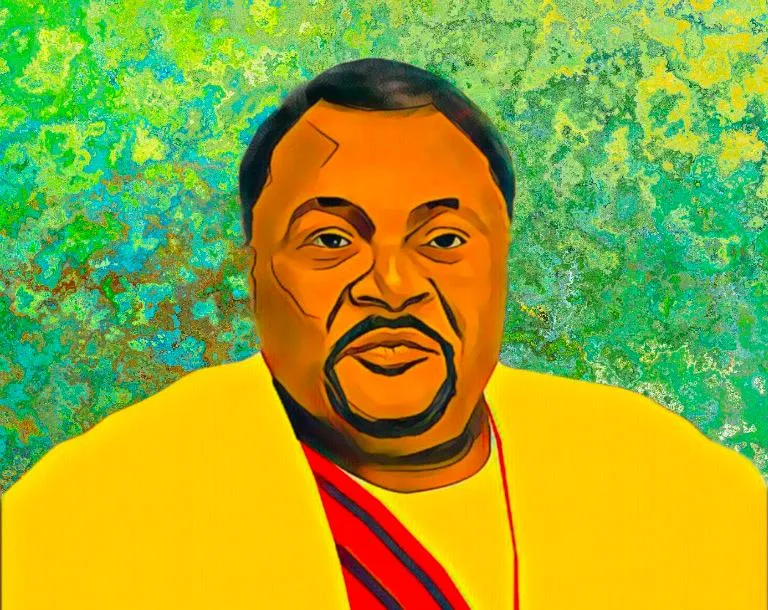
Belinda Ajoke Disu, Adenuga’s daughter, serves on the board of Julius Berger, bringing a strong link between the telecom mogul and the group.
Before joining AngloGold Ashanti, Ramos was the CEO of Absa Group Limited, a key player in Africa’s financial services sector.
As a top shareholder in the Lagos-based lender, Femi Otedola stands to benefit from FBNH’s impressive financial performance.
The decline in Blair’s remuneration underscores the complex relationship between executive compensation and a company’s financial performance.