
7 companies owned by Nigeria’s richest woman Folorunso Alakija
Billionaires.Africa has identified and cataloged seven companies owned by Alakija, showcasing her diverse business empire.
 Skip to content


Billionaires.Africa has identified and cataloged seven companies owned by Alakija, showcasing her diverse business empire.
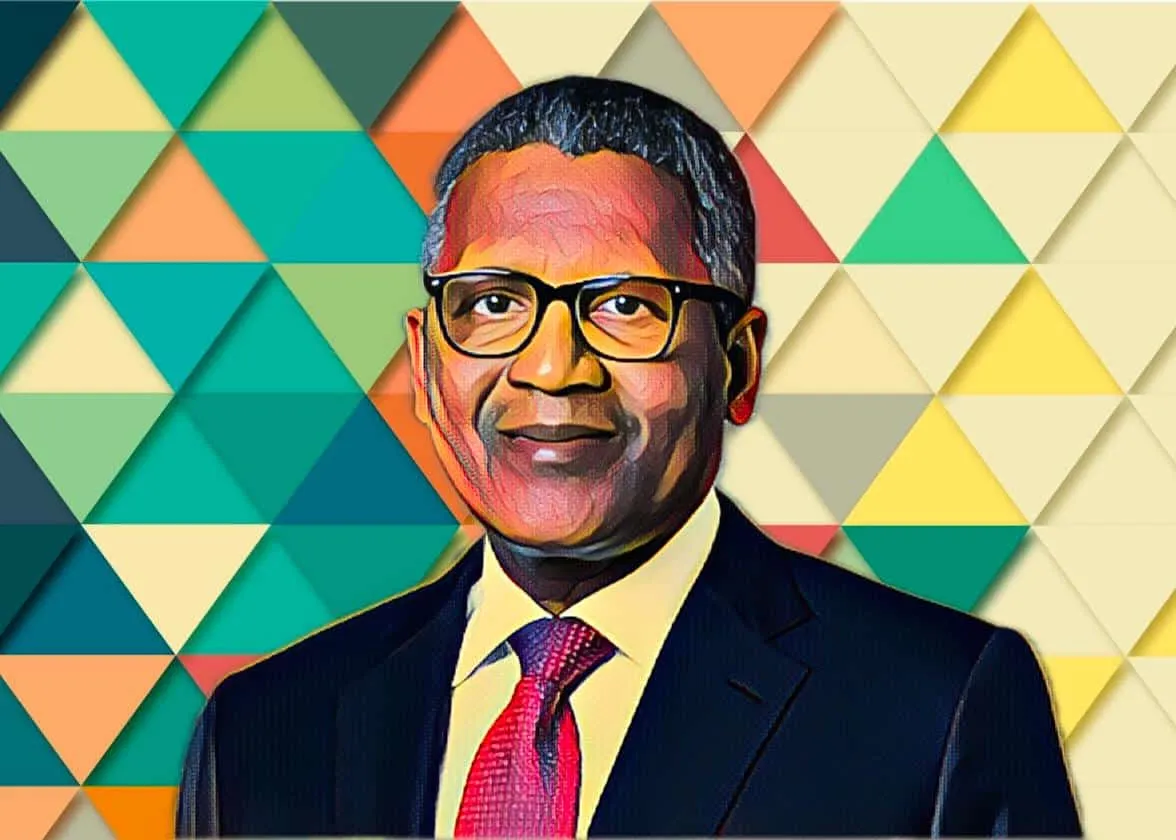
As of Sept. 1, Dangote’s net worth stood at $17.8 billion, but it has now plummeted to $16.7 billion.
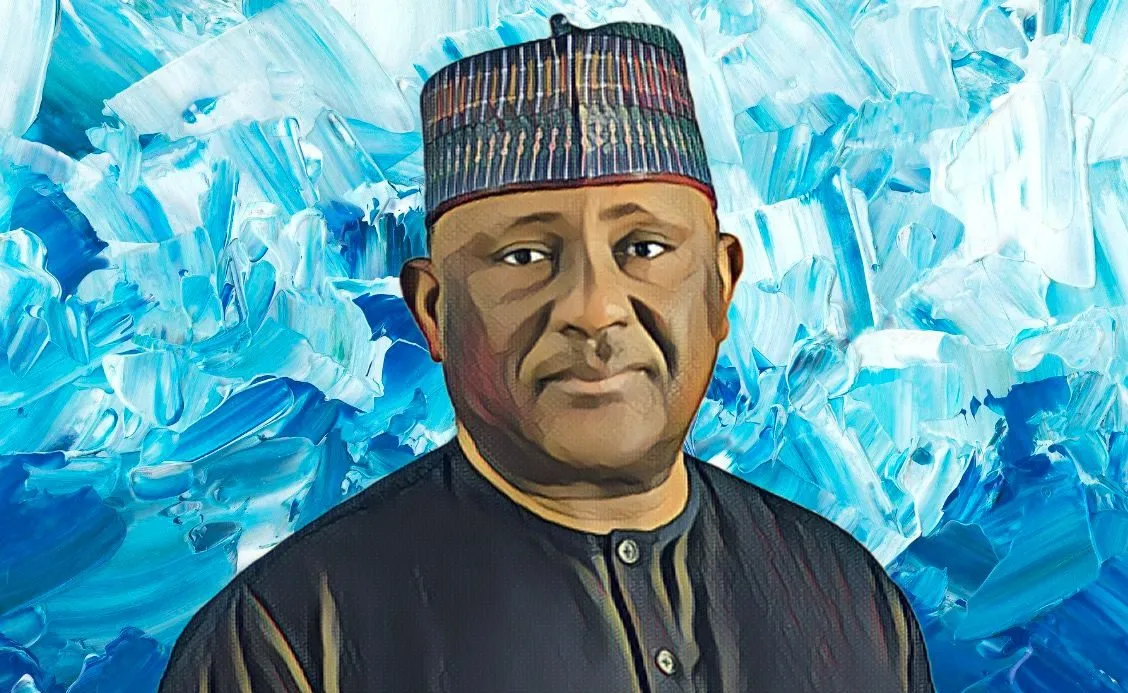
This decision comes just one month after Rabiu expressed optimism regarding the completion of two new cement factories by the year’s end.
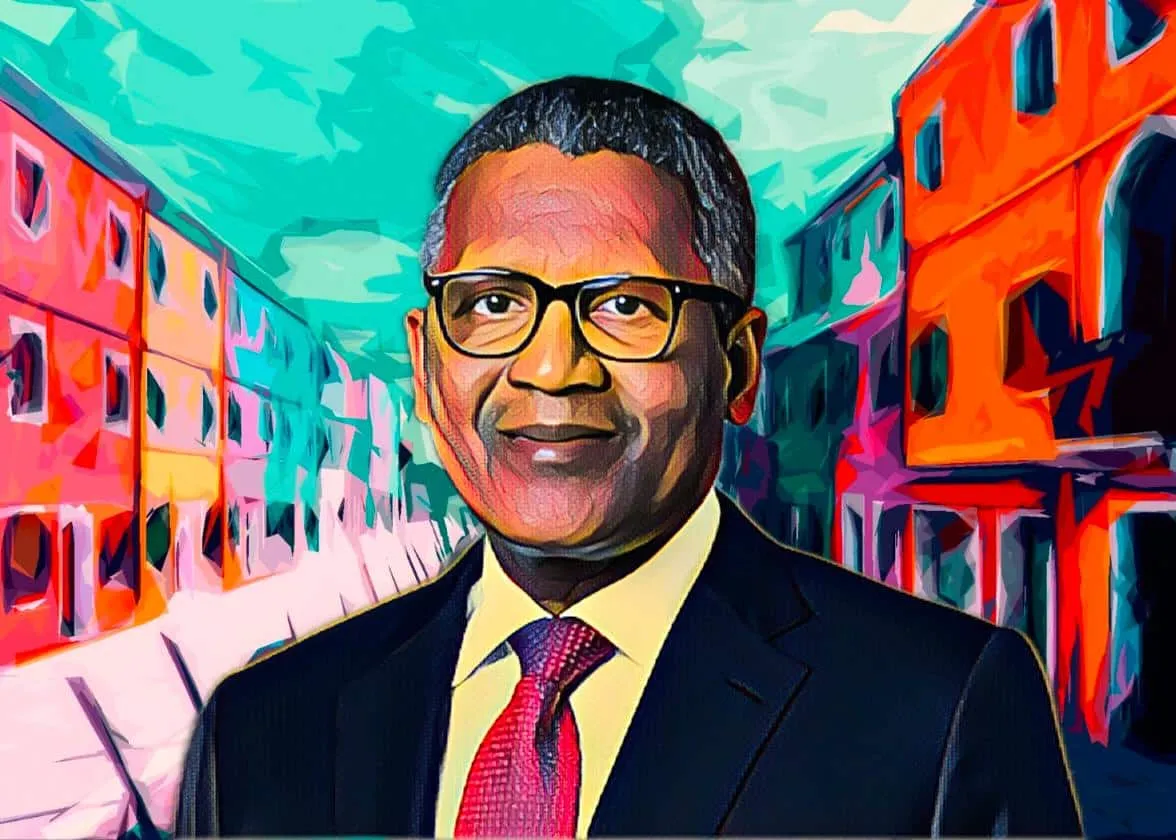
Notably, the merger is poised to significantly boost the net worth of Dangote, who ranks as the richest man in Africa.
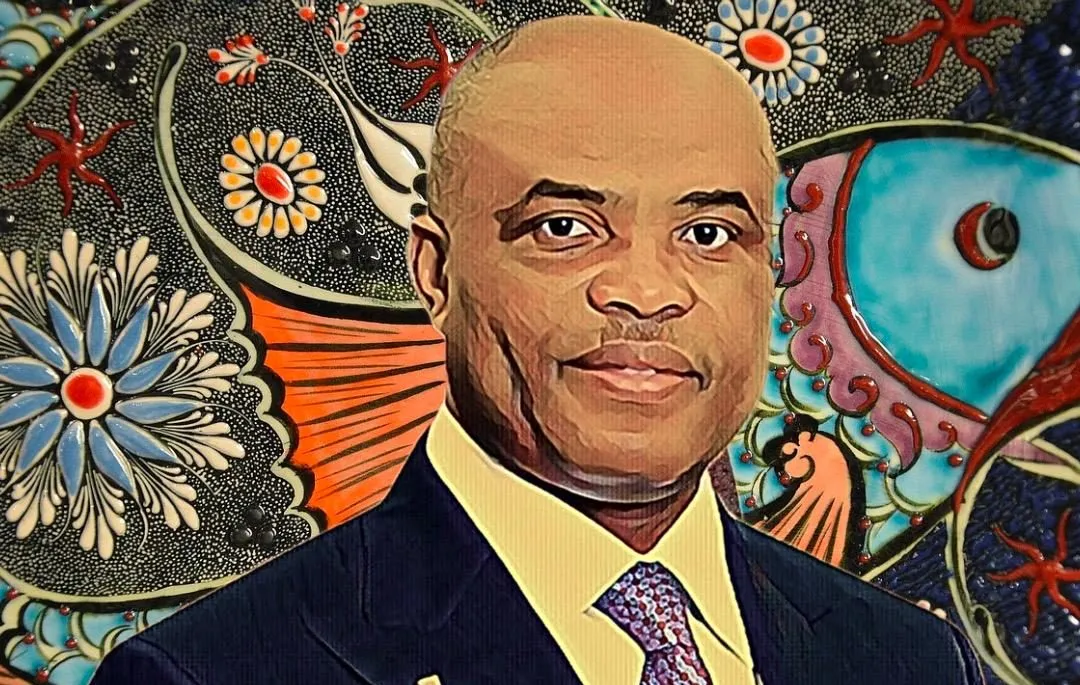
ABC Orjiakor, who owns a 6.4-percent stake in Seplat Energy, one of Nigeria’s largest energy companies, ranks as one of Nigeria’s wealthiest business figures.
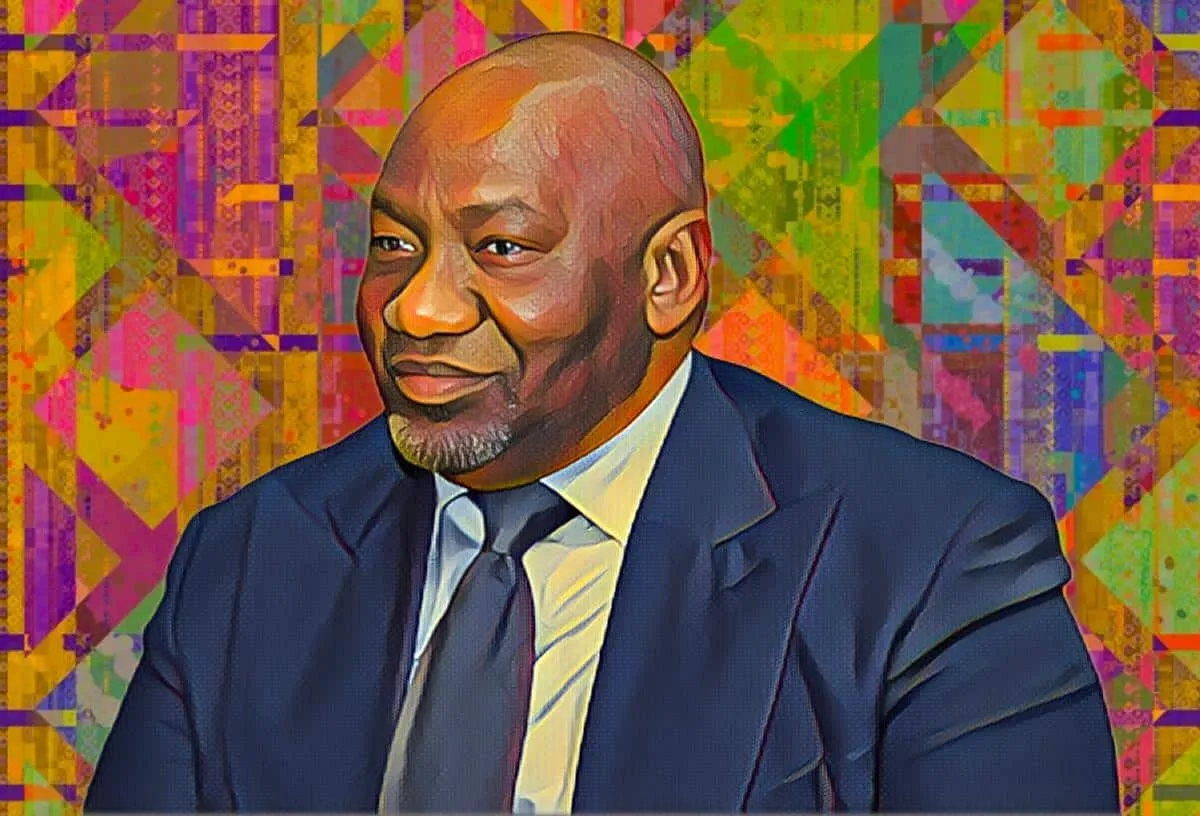
Billionaires.Africa has identified and tracked seven notable assets owned by billionaire Benedict Peters.
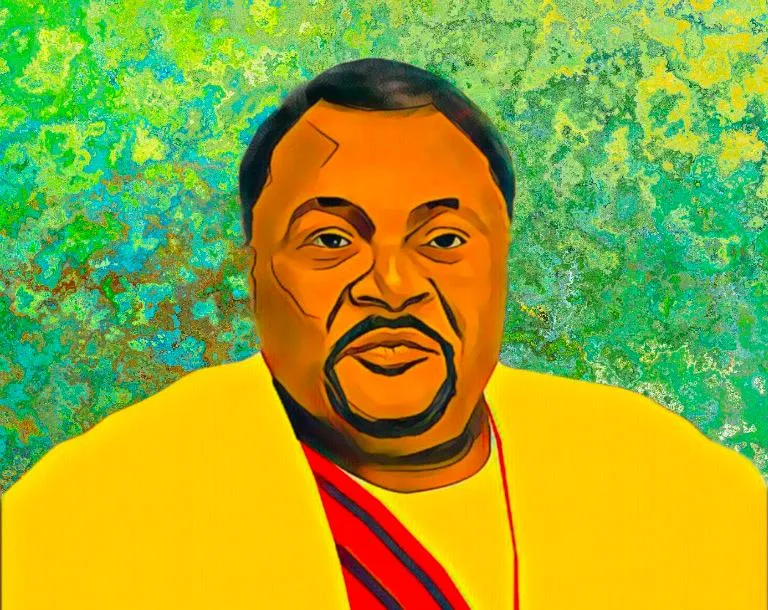
Led by the visionary Mike Adenuga, Conoil has firmly established its dominance in Nigeria’s petroleum marketing arena.
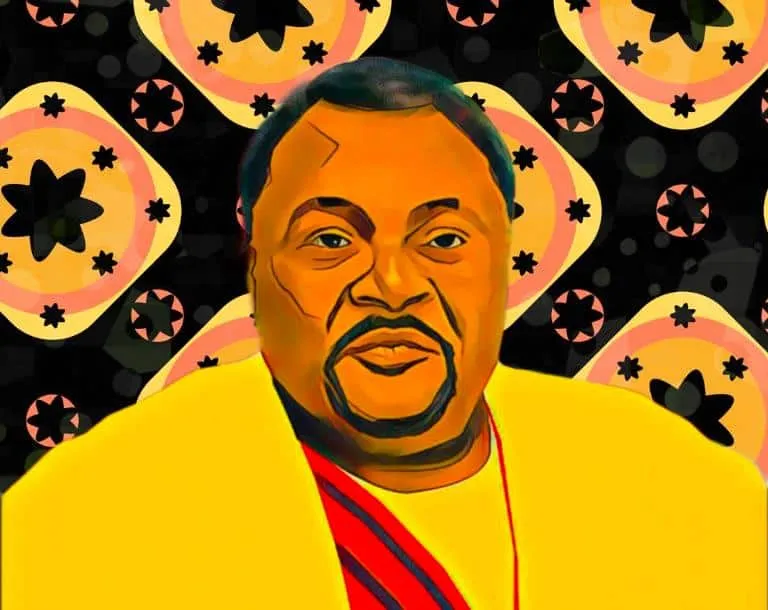
Under the astute leadership of Adenuga, Conoil has solidified its position as a dominant force in Nigeria’s petroleum marketing industry.

Back in 1971, Gilbert Chagoury and his younger brother, Ronald Chagoury, set the stage for their remarkable journey by founding the Chagoury Group.
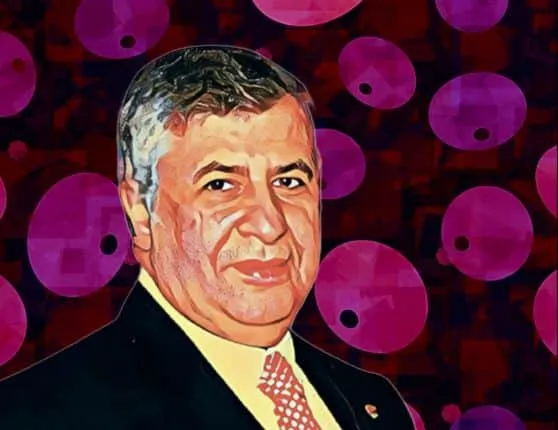
Chagoury’s success has not been without controversy.

Wigwe’s commitment to Access Holdings and his strategic share acquisitions have established him as a top figure in the Nigerian banking sector.
Adenuga, whose net worth stands at $3.5 billion, ranks as one of Nigeria’s most prominent and wealthiest businessmen.
The Dangote Oil Refinery project stands as a resounding testament to the unwavering dedication of Aliko Dangote and the Dangote Group.
Despite these delays, Dangote’s fortune has witnessed a remarkable surge, catapulting him back among the world’s top 100 billionaires.
Rabiu said that his company, BUA Cement, is building two new plants that will increase output capacity to 17 million metric tonnes.

The narrative of African commodity trading is incomplete without mentioning the influence of Prest.