
Standard Bank, led by Sim Tshabalala, backs Safaricom Ethiopia with $138 million funding push
Standard Bank backs Safaricom Ethiopia with a $138 million funding facility to support its network expansion and rising user base.
 Skip to content


Standard Bank backs Safaricom Ethiopia with a $138 million funding facility to support its network expansion and rising user base.

Standard Bank expands into Egypt, strengthening African trade links and supporting regional investment.

Standard Bank is launching a Cairo office on Nov. 12, strengthening Africa’s link to global capital markets.

Standard Bank secures JPMorgan approval in Angola, boosting cross-border trade access and expanding global reach.

Standard Bank commits $1 billion to empower women entrepreneurs across Africa through the African Women Impact Fund.

The announcement comes even as the Johannesburg-based bank raised its executive retirement age from 60 to 63 in line with global corporate trends.

This move is designed to provide stability and maintain the strength of both the group and its largest revenue-generating subsidiary during a crucial leadership transition.
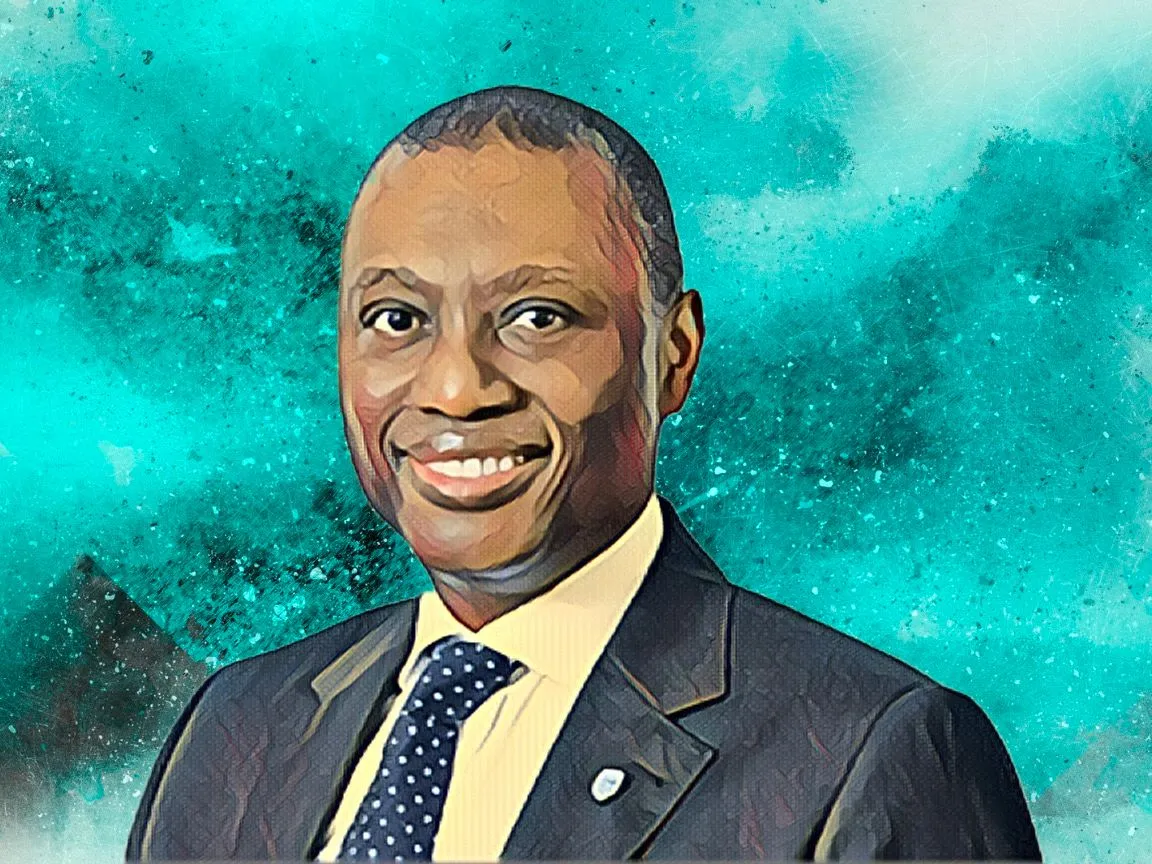
Standard Bank boosts sustainable finance to $24.5 billion by 2028, reinforcing its role in Africa’s energy transition while balancing climate goals with economic growth.

Standard Bank leads a $5 billion financing deal for Uganda-Tanzania oil pipeline, signaling cautious investor confidence despite environmental opposition.

The 5.74 percent stake in Northam Holdings boosts the bank’s mining investments in South Africa.
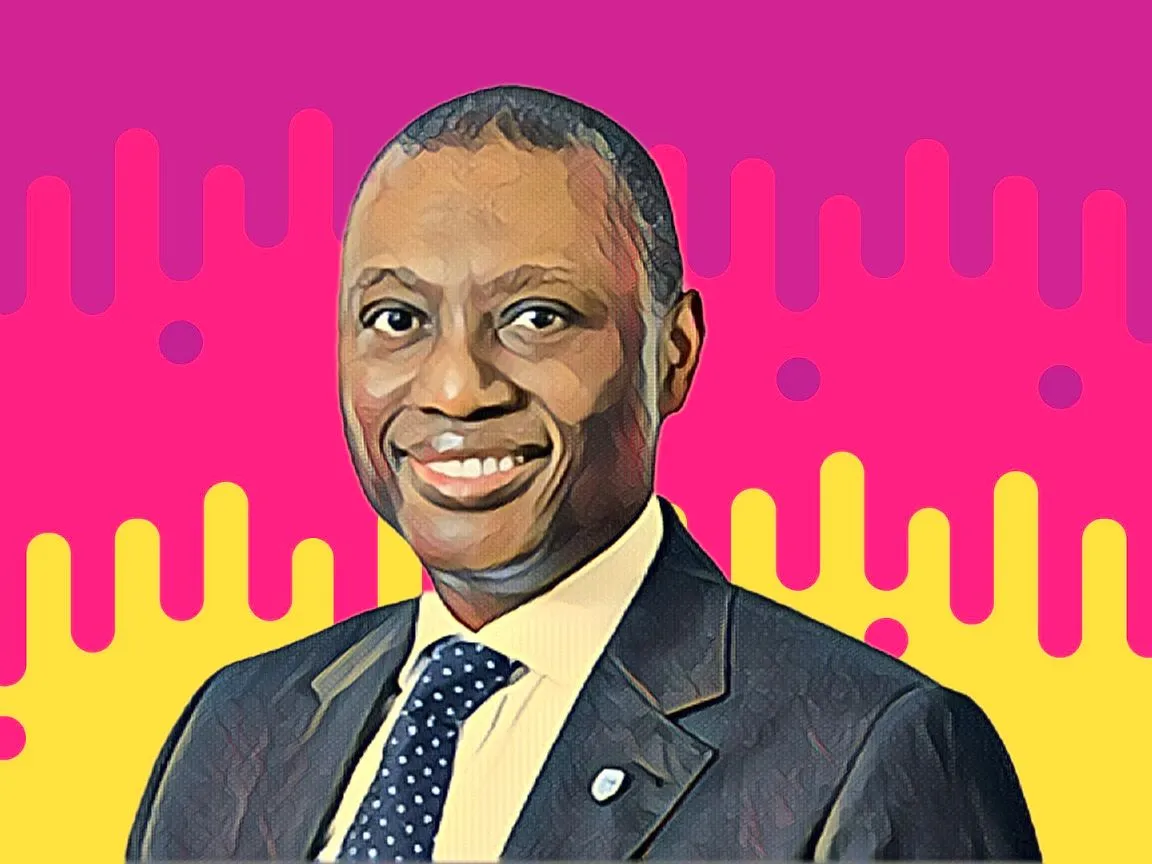
Under Tshabalala, Standard Bank has continued to strengthen its position as a leading financial institution in Africa, expanding its reach while delivering strong profits.
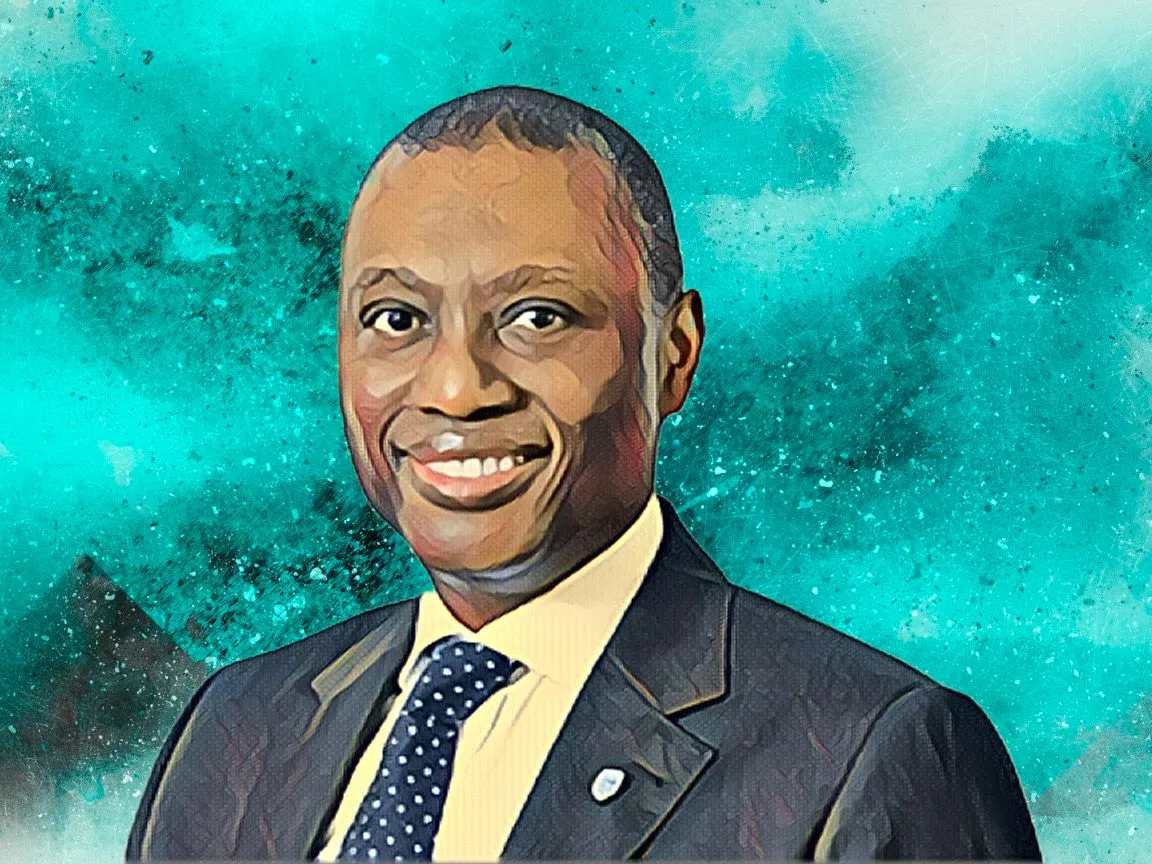
The move is set to widen credit access, stimulate job creation, and bolster economic resilience.
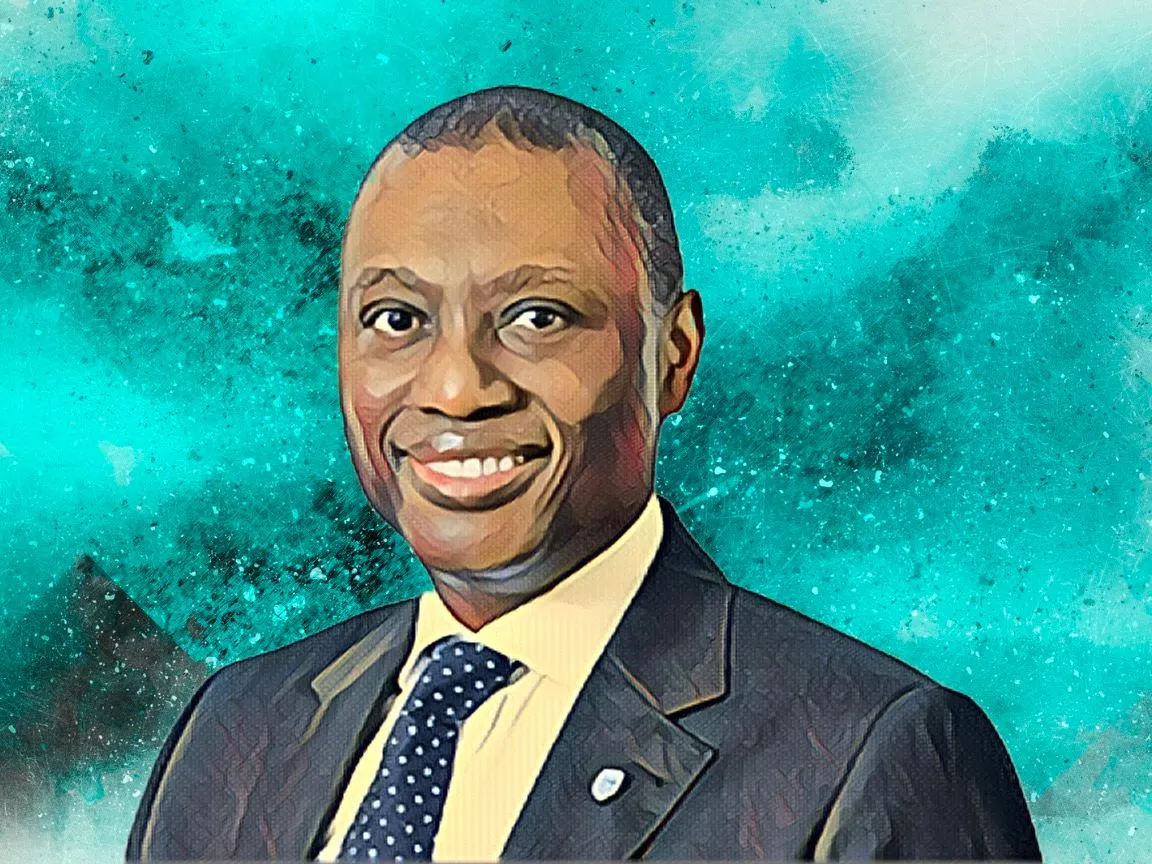
The move, disclosed in a regulatory filing on Friday, Feb. 14, 2025, reflects the continued focus of Stand Bank.
The bank’s backing is a key part of the broader R22.8 billion ($1.23 billion) bid, reinforcing its role as a dominant corporate financier on the continent.
This decline has shaved $609.22 million off its market capitalization, reducing it from $20.18 billion to $19.57 billion.
The deal aims to mitigate currency risks, expand local currency exposure, and facilitate cross-currency swaps and derivatives for businesses across Africa.