

Table of Contents
Key Points
- Rupert-led group challenges SA Rugby's R1.3 billion ($71.5 million) with ASG.
- Local investors propose a no-commission, transparent alternative.
- Discontent among unions makes the ASG deal’s approval uncertain.
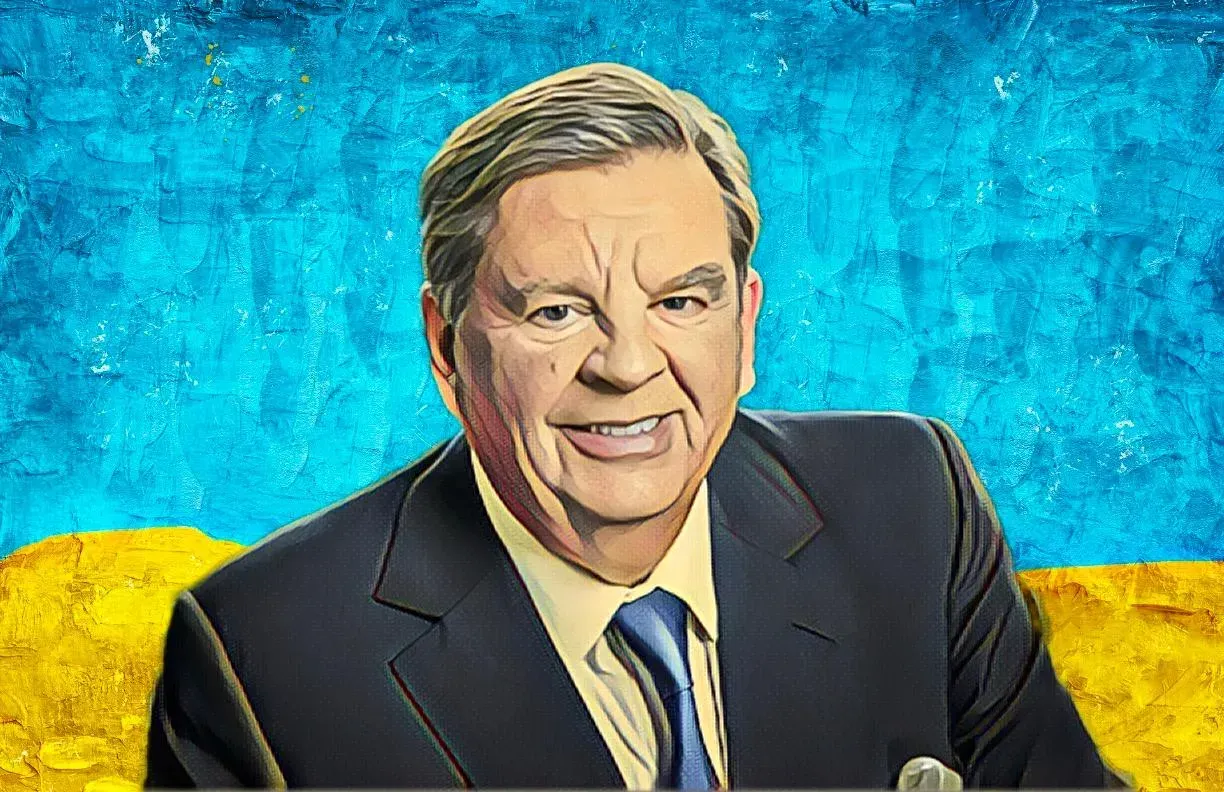
A group of South African rugby stakeholders, led by billionaire Johann Rupert, is set to counter SA Rugby's proposed $71.5 million equity deal with U.S.-based Ackerley Sports Group (ASG), raising concerns about the financial future of the sport.
Local investors rally against ASG deal
The deal, which would see ASG acquire a 20 percent stake in SA Rugby’s commercial rights for R1.3 billion ($71.5 million), has sparked significant opposition due to concerns over high commission fees and the financial structure. Schalk Burger Sr., representing smaller unions such as Boland, has called for greater transparency, emphasizing the potential risks to the sport’s future.
In response, a coalition of local investors, including Rupert, Marco Masotti, and Johan le Roux (who hold stakes in major rugby franchises like the Vodacom Bulls, Sharks, and DHL Stormers), is preparing an alternative proposal. This counteroffer matches the $71.5 million valuation but eliminates commission fees, instead suggesting that a financial institution assess SA Rugby’s funding needs. Rupert’s cautious approach to large-scale investments, particularly in light of his recent $700 million wealth drop due to Richemont’s valuation volatility, underpins this local-driven alternative.
Uncertainty ahead of the board vote
The growing divide among unions has created uncertainty ahead of the crucial board vote, which requires a 75 percent majority to pass. Some unions are questioning the long-term consequences of granting foreign investors a stake in the commercial future of SA Rugby. The counterproposal is expected to be presented to SA Rugby’s board just days before the scheduled vote, setting the stage for a high-stakes showdown between local and international interests. Industry insiders suggest that this decision could be a pivotal moment for the financial independence of South African rugby.
As negotiations heat up, all eyes will be on SA Rugby’s leadership to determine which proposal best serves the sport's long-term future.
The intelligence satisfies curiosity. The paid briefings satisfy strategy.
Every Monday, Elite subscribers receive an Investor Memo breaking down the deal, the structure and the positioning behind the week's most consequential African wealth story - the kind of analysis that doesn't appear anywhere else.
Twice a month, a Wealth Intelligence brief profiles a single billionaire's holdings, cash flows and expansion pipeline in detail no public source matches.
→ Executive ($25/mo): Daily newsletter + Deep-Dive Reports
→ Elite ($75/mo): Everything above + Investor Memos + Wealth Intelligence + Quarterly Analyst Briefings
Subscribe now