


Table of Contents
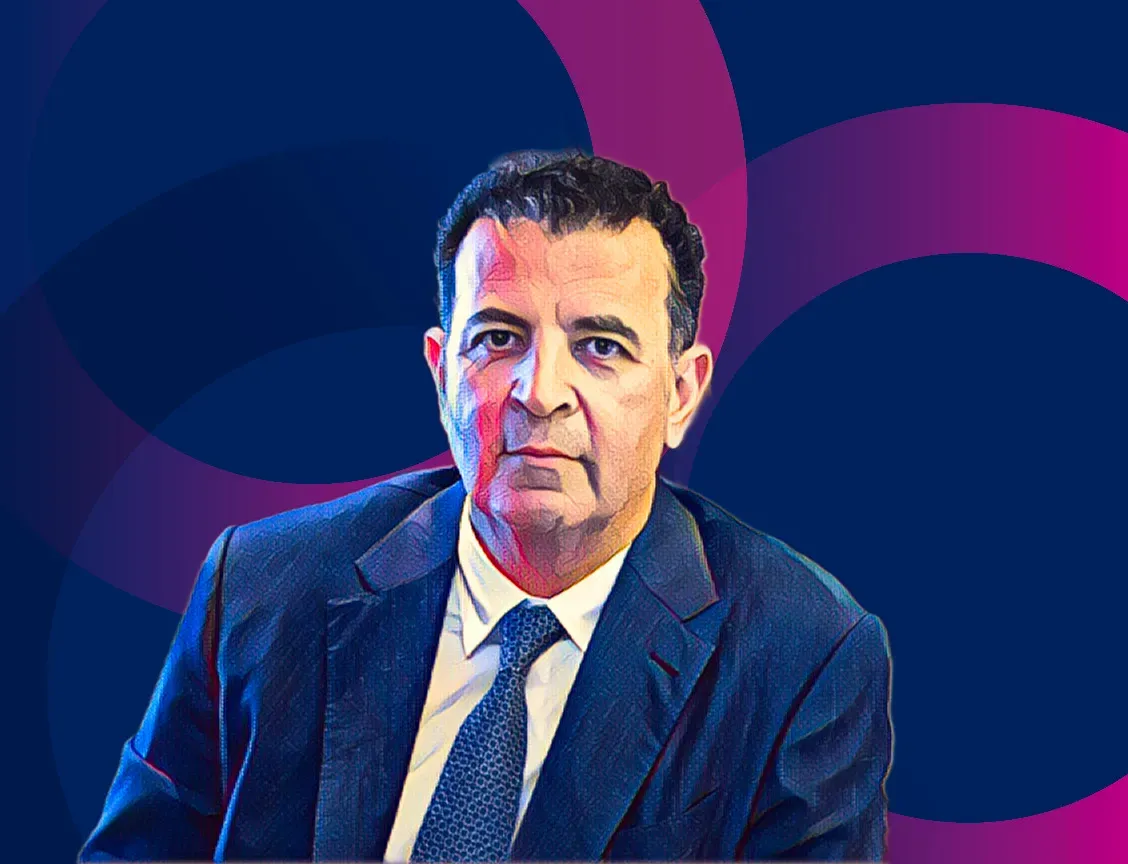
Condor Group led by Algerian businessman Abderrahmane Benhamadi signed six deals worth $80 million a year at the 4th Intra-African Trade Fair (IATF 2025) with partners in Côte d’Ivoire, Senegal, Egypt, Libya, Tunisia, and Mauritania.
The agreements highlight Condor’s expansion from a family-owned trading business into a diversified conglomerate with operations in electronics, household appliances, computers, construction materials, packaging and agri-food. The group, led by Abderrahmane Benhamadi, was among the most active Algerian participants at the trade fair.
Algerian companies secure $300 million deals
At the trade fair, Algerian companies secured more than $300 million in export deals. Alongside Benhamadi's Condor, Madar Holding signed a $180 million agreement to supply refined sugar to Libya, while Souakri Group reached a $51 million cement contract with a Libyan partner.
The deals underscore Algeria’s effort to expand exports. Investments in transport networks and port infrastructure have improved logistics, thus giving companies easier access to regional markets. The country's latest push also aligns with the African Continental Free Trade Area (AfCFTA) a trade pact that aims to reduce tariffs and boost intra-African trade.
Abderrahmane Benhamadi builds Condor into global force
Condor’s growth and influence in Algeria is linked to Abderrahmane Benhamadi, who also heads the Benhamadi Group with interests in construction, hospitality, and agri-food. One of Condor’s units, Condor Electronics, produces televisions, smartphones, computers, home appliances, and solar panels, products that have made the company a household name.
Earlier this year, Condor Electronics deepened its reach in the global appliance industry by partnering with China’s Hisense to build Africa’s largest air conditioner plant. The $200 million facility, set in Bordj Bou Arreridj about 240 kilometers east of Algiers, is expected to begin production within a year. It will have capacity for two million units annually, with 80 percent destined for export and 20 percent reserved for the domestic market.