

Table of Contents
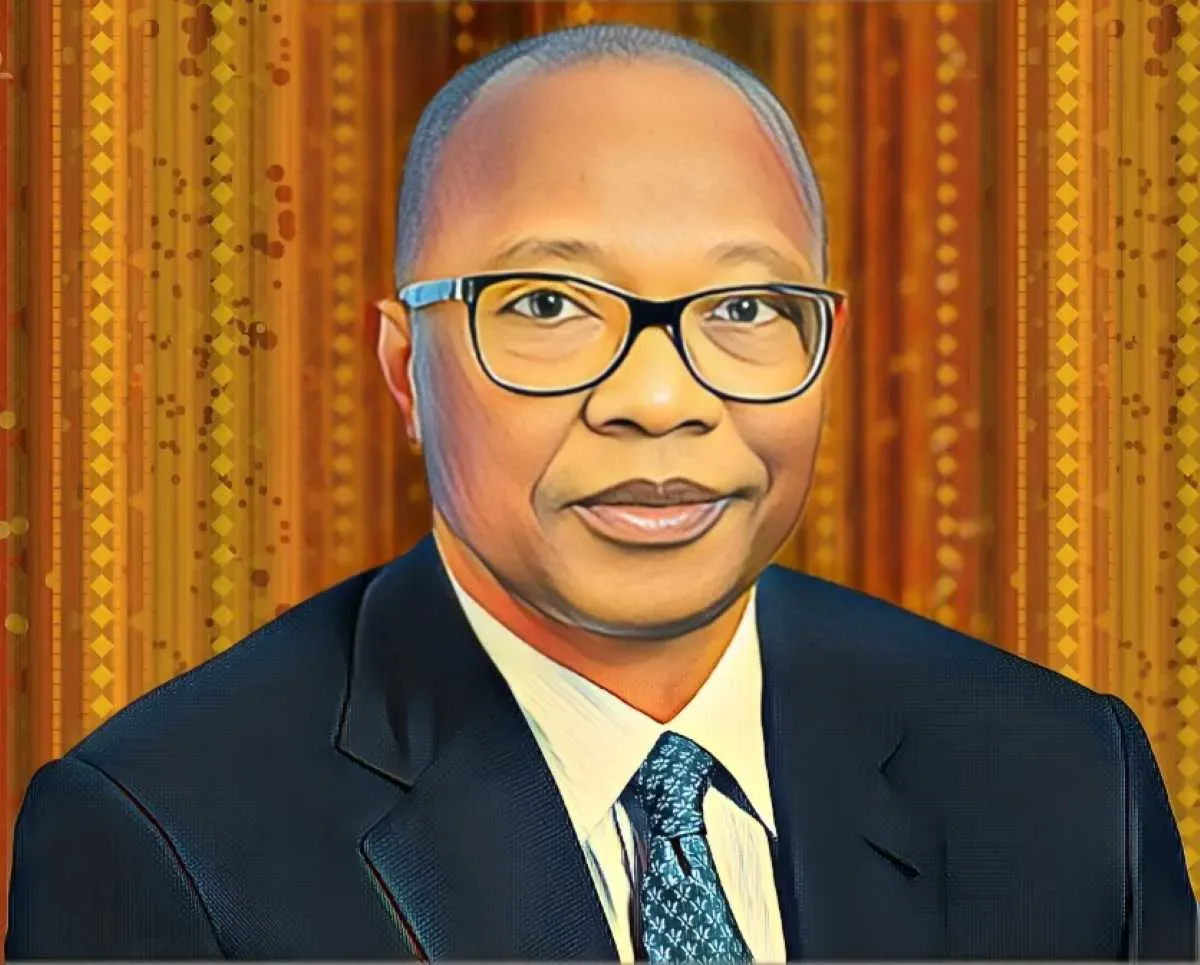
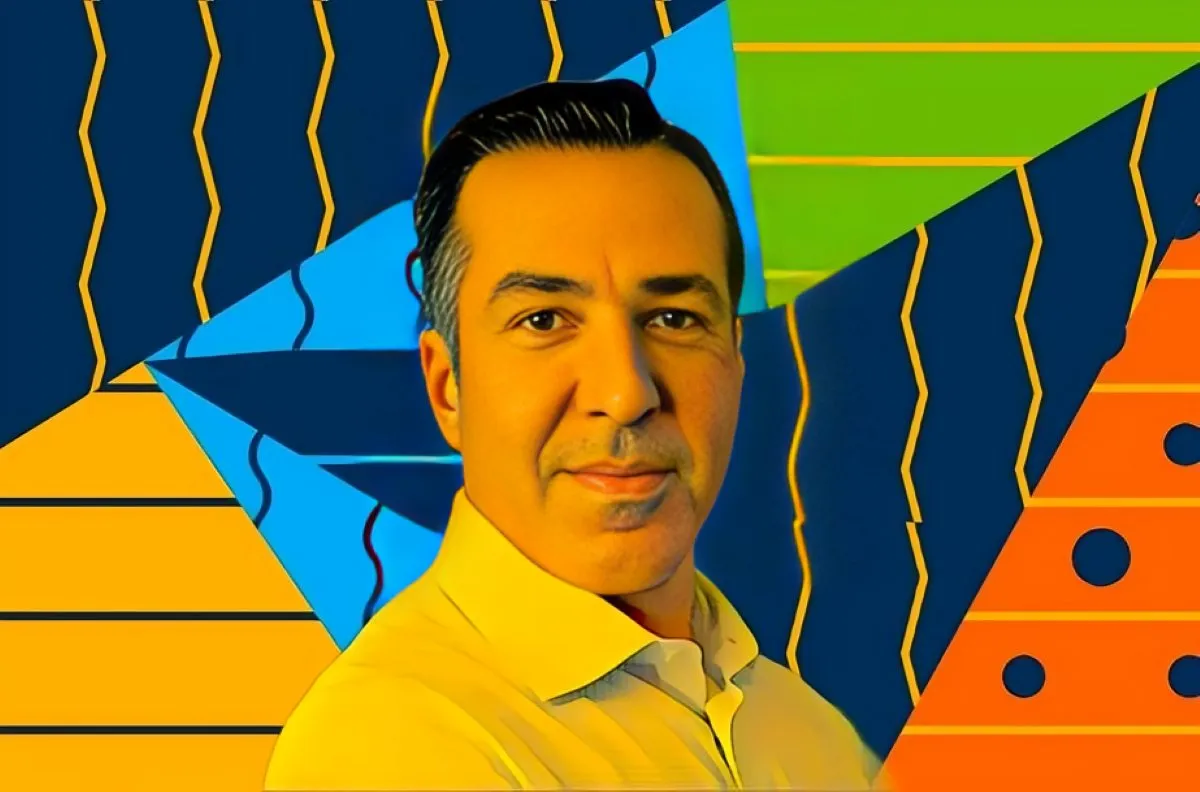
Sam Darwish, the U.S.-Nigerian telecom mogul who co-founded IHS Towers, has seen the value of his stake in the company climb above $90 million. Darwish, who is also chief executive, owns about 12.9 million shares, representing a 3.9 percent interest in the tower operator.
Sam Darwish gains as IHS shares rise
Over the past three weeks, the market value of his stake has increased by $6.7 million reaching nearly $94 million. The rise comes as IHS shares rebound on the New York Stock Exchange with investors showing renewed confidence in the company’s operations and growth prospects.
This gain builds on an earlier stretch between late July and late August, when the value of Darwish’s holdings jumped from $70.4 million to $89.4 million, adding $7.2 million in just a month. Together, the moves highlight how closely his wealth is tied to the performance of IHS, one of the key players in expanding telecom infrastructure across Africa.
IHS market cap lifts to $2.4 billion
IHS Towers, founded by Darwish in 2001, has grown into the world’s third-largest independent telecom tower company by tower count. The firm oversees more than 39,000 towers across Africa, Latin America, and the Middle East.
Expansion has continued in 2025 with the company adding 385 new tenants, signing 1,566 lease amendments and completing 207 new tower builds. More than half of the latest construction activity was in Brazil highlighting its importance to IHS’ international push.
Shares of IHS have risen 7.7 percent in recent weeks, climbing from $6.74 on Aug. 20 to $7.26. That lifted the company’s market capitalization to $2.41 billion and pushed the value of Darwish’s holdings from $87.1 million to $93.8 million. The climb underscores growing investor belief in the company’s ability to perform even in a volatile market.
Your money and your life
IHS stock has gained more than 148 percent this year. A $100,000 investment in January would now be worth $248,630. For founder Sam Darwish, the rally underscores his role in building Africa’s telecom infrastructure, while for investors it reflects a company expanding in both emerging and developed markets.