


Table of Contents
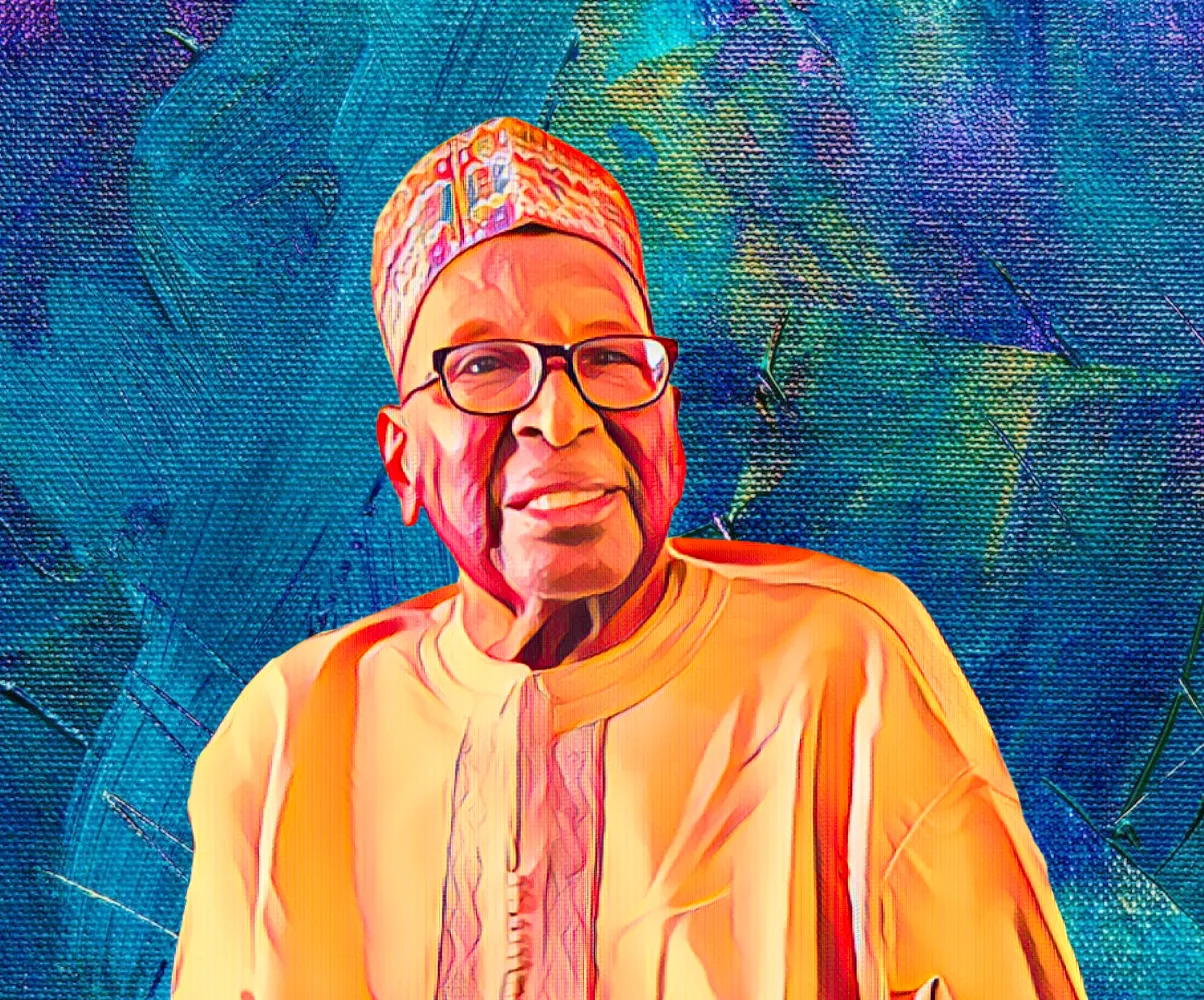
OpenAI, the artificial intelligence company behind ChatGPT, where Nigerian billionaire Adebayo Ogunlesi serves as a director, has signed a multiyear partnership with Amazon Web Services to run and scale its core AI systems. The $38 billion deal, which begins immediately, will give OpenAI access to computing power through AWS, including hundreds of thousands of NVIDIA GPUs, with room to expand to tens of millions of CPUs over the next seven years.
AWS to power OpenAI expansion drive
The deal underscores how the growing demand for computing capacity is reshaping the AI industry. AWS, long known for its scale and reliability, will handle some of the world’s most advanced AI workloads as OpenAI seeks to expand ChatGPT and other tools. The infrastructure deployment will include tightly networked clusters of NVIDIA GB200 and GB300 chips, built to deliver low-latency, high-performance processing across OpenAI’s models.
The recent move comes amid a broader phase of rapid expansion since Adebayo Ogunlesi joined the board in January. The company has raised tens of billions of dollars, acquired startups and signed several large-scale computing agreements. Earlier this year, it committed $11.9 billion to purchase cloud services from CoreWeave and announced a $1.1 billion all-stock acquisition of Statsig, a startup focused on analytics and real-time experimentation. Those moves are designed to strengthen its infrastructure and add new features to ChatGPT.
OpenAI eyes $1 trillion IPO
The company is also expanding its footprint beyond the United States. It selected the University of Lagos in October as the site of its first African AI academy, reflecting its growing ambitions and Ogunlesi’s influence on its international strategy. OpenAI’s valuation has soared to $300 billion, with investors expecting annualized revenue near $20 billion by year-end.
Executives are now preparing for a possible public listing that could value OpenAI at up to $1 trillion, potentially one of the largest IPOs ever. OpenAI has discussed raising as much as $60 billion ahead of the offering and could file with regulators as early as 2026. For a company that began as a nonprofit in 2015, the move toward a stock-market debut marks a new chapter—one that blends mission-driven research with the scale and capital of the public markets.
The intelligence satisfies curiosity. The paid briefings satisfy strategy.
Every Monday, Elite subscribers receive an Investor Memo breaking down the deal, the structure and the positioning behind the week's most consequential African wealth story - the kind of analysis that doesn't appear anywhere else.
Twice a month, a Wealth Intelligence brief profiles a single billionaire's holdings, cash flows and expansion pipeline in detail no public source matches.
→ Executive ($25/mo): Daily newsletter + Deep-Dive Reports
→ Elite ($75/mo): Everything above + Investor Memos + Wealth Intelligence + Quarterly Analyst Briefings
Subscribe now