


Table of Contents
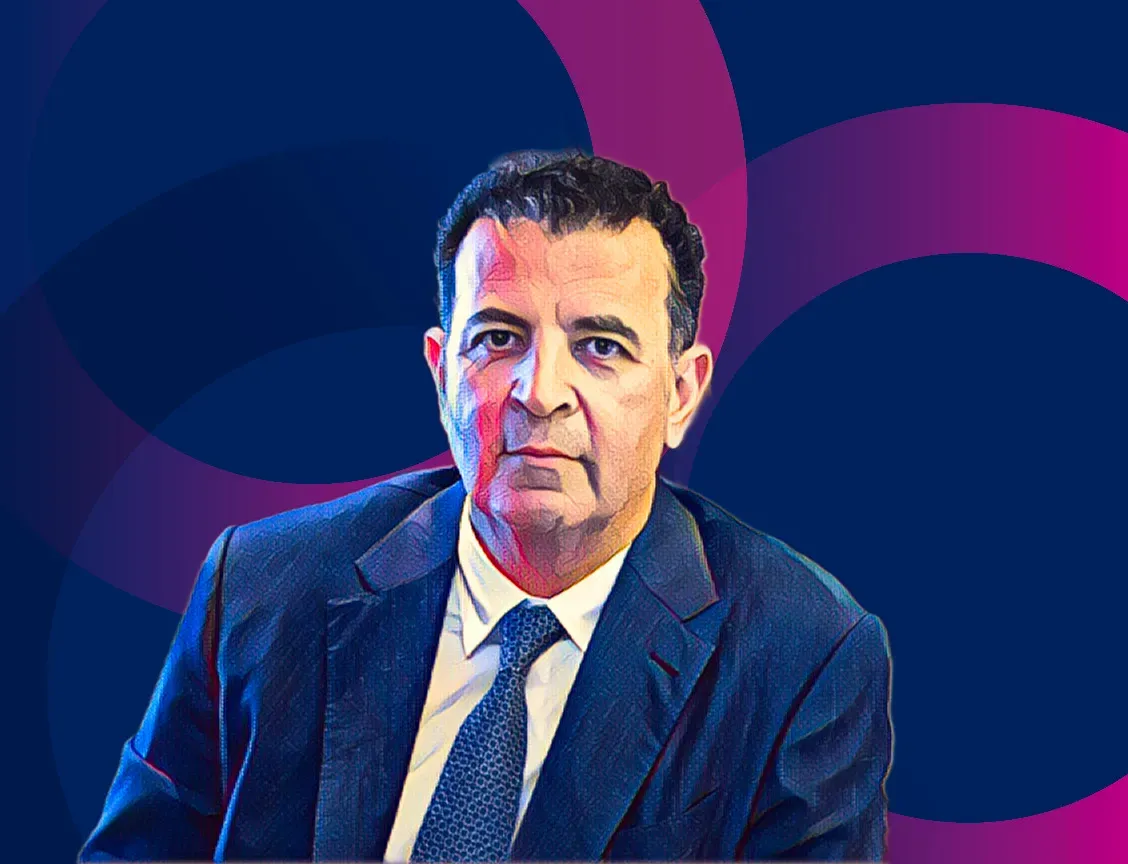
The bankruptcy of Brandt, a top home appliance maker, declared Dec. 11, marks a major setback for Cevital Group, the private conglomerate owned by Algeria’s richest man Issad Rebrab. The collapse leaves 700 employees without jobs and underscores challenges in maintaining overseas investments amid economic and political uncertainties.
Brandt acquisition tests Rebrab’s European reach
Cevital acquired Brandt, a manufacturer of washing machines, ovens, refrigerators, small appliances and air conditioners, in April 2014. The deal highlighted an Algerian investor’s ability to maintain a European manufacturing brand. Algeria noted the acquisition as evidence of Issad Rebrab’s capacity to expand his company beyond domestic markets.
But beneath the optimism Brandt faced persistent struggles that impacted its financial performance. The French household appliance sector was already under pressure, while the Algeria-France economic relationship remained marked by political and trade tensions.
Buyer search fails, other plans collapse
Over the past decade Brandt failed to regain its market strength, despite producing roughly 50,000 cooking appliances annually in France and supplying Cevital’s global operations from its industrial complex in Sétif. Revenue in France remained capped at €260 million ($305 million) and efforts to boost sales consistently fell short.
The Nanterre commercial court closed the chapter on Brandt after months of uncertainty. The company had been under court-ordered administration since October, following a two-year decline in sales. Efforts to find a credible buyer failed, including a government-backed plan to turn the business into a cooperative.
Brandt closure hits French industry hard
The closure leaves a mark on the Centre-Val de Loire region, where officials describe the loss as “terrible news” and “an industrial trauma.” In Paris, government ministers expressed regret over the end of Brandt, thus noting the disappearance of skilled labor in Orléans and Vendôme.
Brandt’s liquidation adds to Cevital and the Rebrab family’s recent challenges. Following court convictions of Issad Rebrab in 2019 and his son Omar in 2025, the company faces governance issues, financial strain and difficulty safeguarding foreign investments. Forbes reports Rebrab’s net worth fell from $5.1 billion in 2022 to $3 billion amid mounting pressures.