


Table of Contents
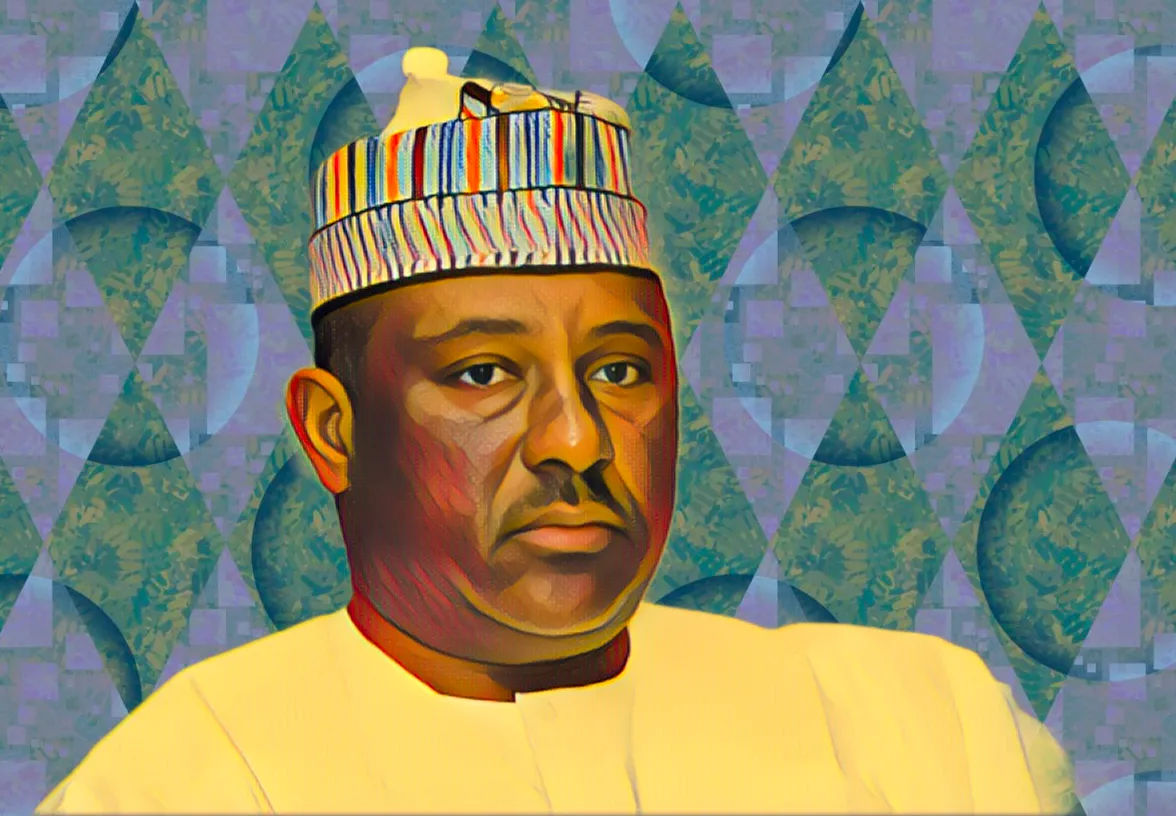
A petrol price fight is widening across Nigeria, and one of the aggressive challengers is MRS Oil Nigeria, controlled by businessman Sayyu Dantata, a relative of refinery owner Aliko Dangote.
MRS stations in Lagos and other states have posted pump prices around 739 naira ($0.51) per litre for premium motor spirit, pulling motorists from competing outlets and prompting new cuts by rivals. The price point follows a decision by Dangote’s Lekki based refinery to cut its wholesale gantry price to 699 naira ($0.49) per litre from 828 naira ($0.58) in mid December, Nigerian media reported.
Dangote said the lower wholesale price was meant to translate to the street. In a televised briefing, he said MRS would be the first retail chain to sell at 739 naira ($0.51) and urged other marketers to buy directly at the refinery gate. He also complained that some stations were keeping prices high despite the reduction.
Dantata’s link to the distribution push has drawn attention because of his family and business ties. MRS identifies Dantata as its chairman and says he previously worked at Dangote Group before building the retail and logistics network that now serves as a key offtaker for refinery supply. Business publications have also described Dantata as Dangote’s half brother.
NNPC Limited, which has long dominated petrol supply, has been forced to respond. The Punch newspaper reported that NNPC outlets selling around 875 naira ($0.61) per litre when MRS rolled out 739 naira ($0.51) later reduced prices to between 825 naira ($0.57) and 845 naira ($0.59) in some locations, and then dropped below 800 naira (below $0.56) at stations along the Lagos Ibadan Expressway. NNPC’s moves have been paired with public messaging that competition should benefit consumers.
The sharper discounts are squeezing smaller retailers and import dependent marketers. Trade groups have warned that many operators are stuck with older, higher cost stock, while banks charge interest on inventory that sits unsold. Some marketers say they cannot match 739 naira ($0.51) without selling at a loss.
Nigeria’s fuel market has been in transition since the government began dismantling petrol subsidies, leaving prices more exposed to exchange rates, freight costs and refinery output. Dangote’s plant, Africa’s largest, is expected to cut imports over time, but it has also introduced a new kind of market power that regulators will watch closely.