


Table of Contents
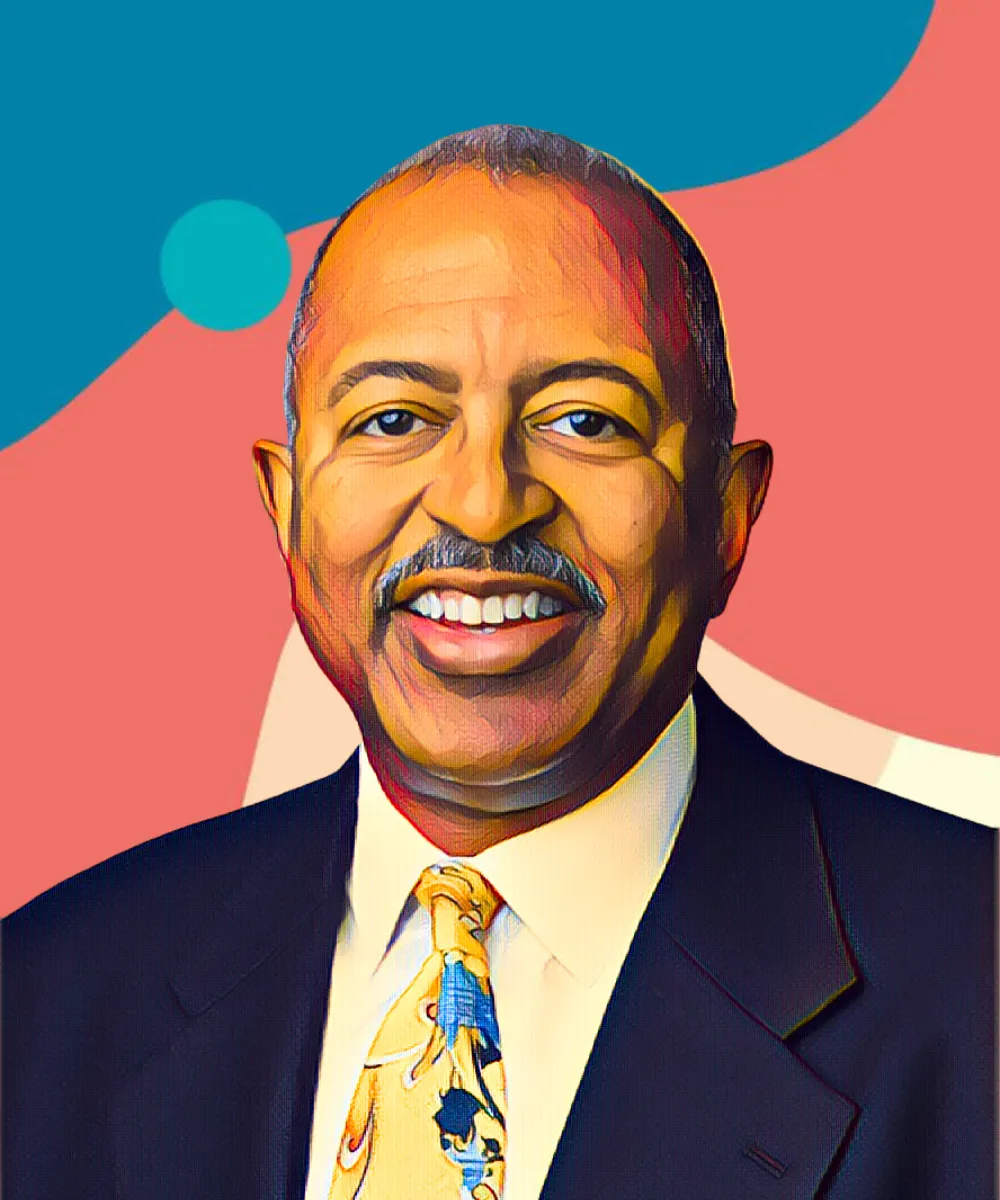
Ethiopia’s richest man, Mohammed Al-Amoudi, is bringing a global retail name into one of Africa’s most closely watched consumer markets. Through Midroc Investment Group, Al-Amoudi has reached an agreement with French retail giant Carrefour to enter Ethiopia by converting 13 outlets in Midroc’s Queens Supermarket chain.
Carrefour enters Ethiopia via Midroc
The changeover is expected to begin in the first half of 2026, marking Carrefour’s first physical presence in Ethiopia and a rare entry by an international grocer into a tightly controlled market. The rollout is part of Carrefour’s “Carrefour 2026” plan, which prioritizes selective expansion in emerging markets through local partnerships rather than outright ownership.
For Carrefour, Midroc offers scale, local insight and operating depth. The group is owned by Mohammed Al-Amoudi, a dual Saudi-Ethiopian national whose businesses span mining, agriculture, real estate, hospitality and retail. Midroc also operates the Sheraton and Marriott hotel brands in Ethiopia, giving it long experience working with global franchises.
Ethiopia demand rises, retail limits persist
The partnership arrives as Ethiopia’s consumer sector shows steady demand growth, driven by a young and urbanizing population. Still, structural challenges remain. Chronic shortages of foreign currency have made imports expensive and unpredictable, thus limiting the ability of local supermarket chains to expand product range and footprint. Domestic retailers including Queens have struggled to move beyond Addis Ababa or upgrade store formats at scale.
Carrefour’s entry underscores both the limits and the potential of Ethiopia’s retail market. Queens operates at the lower end of modern retail, with limited product ranges and smaller store formats. Carrefour’s model is built on wider assortments, centralized procurement and high-volume logistics. Aligning the two will require capital spending, focused supply-chain restructuring and operational changes. The transition will test how closely the converted stores can match Carrefour’s global standards and how quickly operations can be scaled.
Al-Amoudi’s diversified recovery strategy
For Al-Amoudi, the deal adds another layer to a business recovery that has drawn renewed attention. His net worth has climbed back above $8.6 billion, according to the Bloomberg Billionaires Index, reversing earlier declines tied to energy assets. A major driver has been Preem AB, Sweden’s largest oil refiner and the anchor holding in his portfolio.
The rebound reflects the breadth of Al-Amoudi’s interests. From gold mining operations in Ethiopia to refining assets in Europe and industrial ventures across North Africa, his businesses remain deeply tied to both regional and global markets. The Carrefour agreement underscores a familiar approach: pairing international brands with local control and betting that scale and patience can unlock value where others hesitate to enter.