


Table of Contents
Barely three months after his name appeared in a corruption dossier alleging the misuse of $3.2 billion in public funds, South African authorities say investigations linked to Zimbabwean businessman Wicknell Chivayo are still underway, pushing back against public claims that the matter has gone quiet or been dropped.
South Africa’s Directorate for Priority Crime Investigation (DPCI) confirmed that the probe remains active. Officials involved in the case said inquiries of this scale—especially those spanning multiple countries and financial systems—rarely move quickly. “Our investigation is still alive,” a source close to the process said. “Investigations of this nature take long to conclude. We are still investigating.”
South Africa probes Chivayo-linked money flows
South African authorities have issued no public statement clearing Chivayo, nor have they announced any decision to close the case. Investigators have stressed that comments or developments from Zimbabwean institutions do not determine the course of South African criminal investigations. Officials have also cautioned that sensitive financial probes are not conducted in public view and that a lack of updates should not be read as proof of innocence.
People familiar with the matter say the case was triggered by suspicious-transaction reports filed with South Africa’s Financial Intelligence Centre. Those alerts flagged unusually large money flows passing through South African entities linked to companies associated with Chivayo. The reports prompted deeper scrutiny under South Africa’s anti-money-laundering and counter-terror-financing rules.
Investigators are said to be examining payments that originated from Zimbabwean public institutions, moved through South African companies and were then dispersed to multiple recipients. Such patterns are widely regarded by financial-crime experts as classic warning signs of potential money laundering.
Solar deal, political ties draw scrutiny
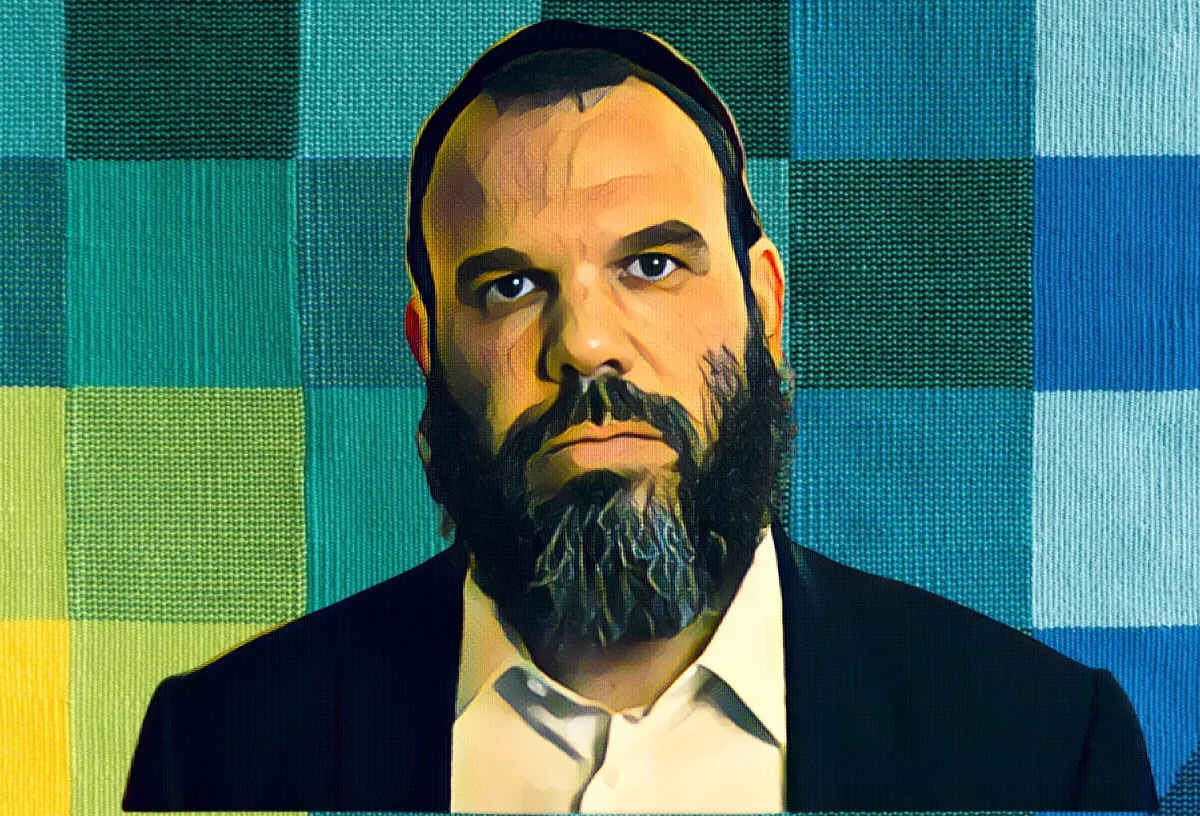
Wicknell Chivayo, 43, is the founder and chief executive of Intratrek Zimbabwe, a company that has secured several government contracts, particularly in the energy sector. The most prominent is the Gwanda Solar Project, valued at about $173 million. Despite receiving substantial payments, the project has faced repeated delays and questions over its delivery.
Known for his close ties to Zimbabwe’s ruling ZANU–PF party, Chivayo has drawn both praise and criticism for his high-profile spending and public acts of generosity. His wealth has long been a subject of debate. Investigations have shown that he spent more than $9.3 million on luxury vehicles and gifts over a 12-month period, fueling scrutiny over the source of the funds and the transparency of state contracts awarded to his firms.
Corruption dossier alleges $3.2 billion diversion
The corruption dossier alleges that more than $3.2 billion was diverted from state coffers through inflated contracts and nontransparent tenders. It names Wicknell Chivayo and other politically connected businessmen, including Kudakwashe Tagwirei, Delish Nguwaya, Pedzai “Scott” Sakupwanya and Paul Tungwarara, as repeat beneficiaries of public deals over several years. The document says the losses cut funding for hospitals, infrastructure and basic public services nationwide and capital projects.
Chivayo has also been linked to Ren-Form, a South African company involved in supplying election materials through procurement processes that have since come under scrutiny. He has denied any wrongdoing, insisting his business dealings are lawful. However, leaked audio recordings in which he allegedly speaks of political backing have added to public anger and kept pressure on investigators as the South African probe continues.