

Table of Contents
Unpaid bills tied to last year’s Essence Festival of Culture are putting the 2026 edition under a harsher spotlight in Louisiana, with state lawmakers and vendors pressing organizers for clarity on who gets paid and when.
Documents and reporting cited by local outlets show a balance owed to the Ernest N. Morial Convention Center that remained hundreds of thousands of dollars in early February, even after a partial payment. A separate claim by a New Orleans production company alleged more than $1 million in unpaid costs, a figure festival officials have disputed, arguing the amount is inflated and that conversations with vendors are continuing.
The money questions arrive as festival leaders prepare to seek public support again. The festival has long been held up as one of New Orleans’ most reliable summer economic engines, filling hotels and restaurants during the July Fourth weekend. But lawmakers signaled they want more accountability before any new commitments are discussed.
State Rep. Jack McFarland, chairman of the House Appropriations Committee, said organizers would need to explain payment delays and financial controls before expecting state dollars tied to tourism promotion. Festival representatives have countered by pointing to its economic impact, saying the event generates substantial tax revenue and sustains jobs across hospitality, transportation and production work.
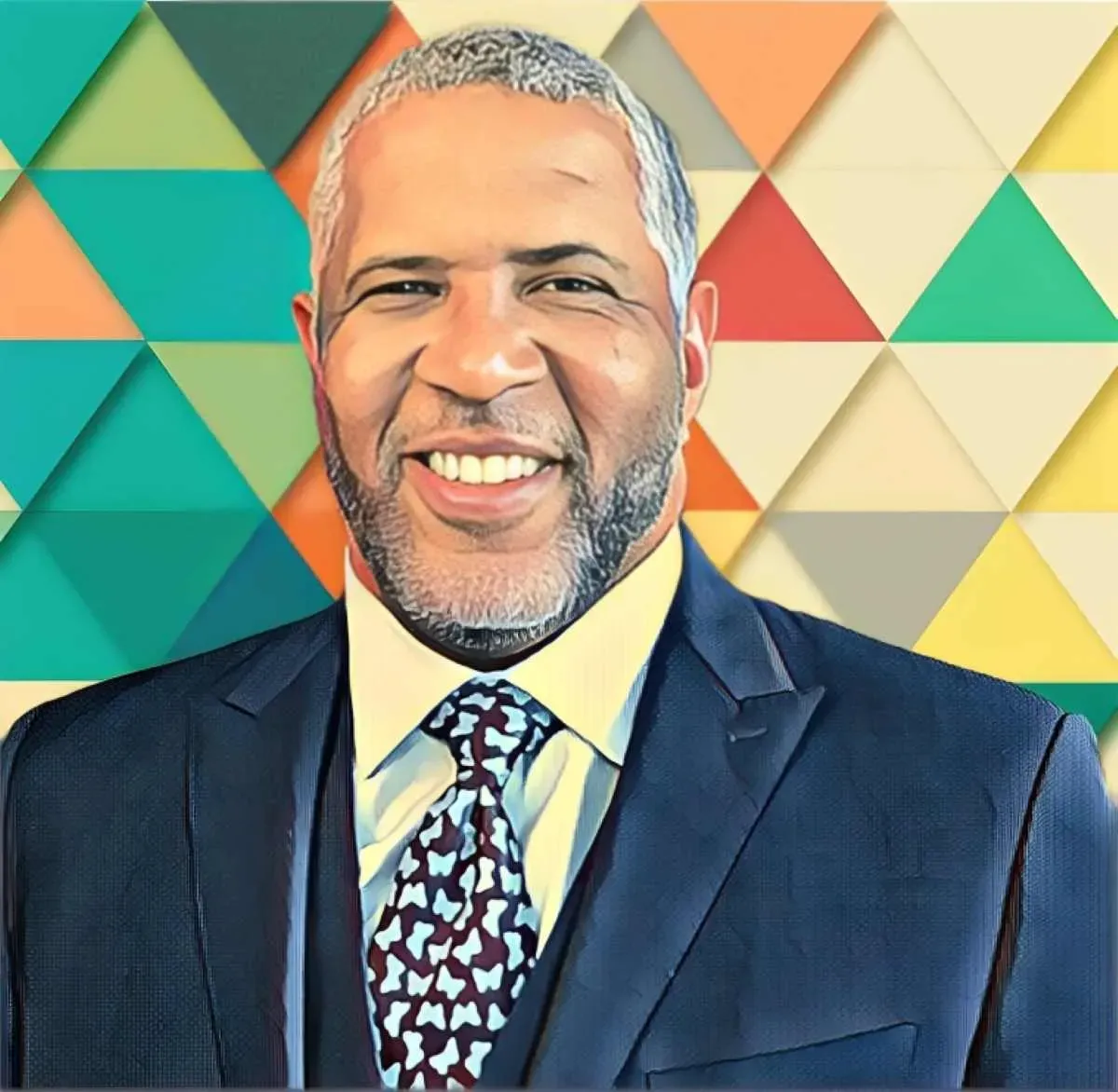
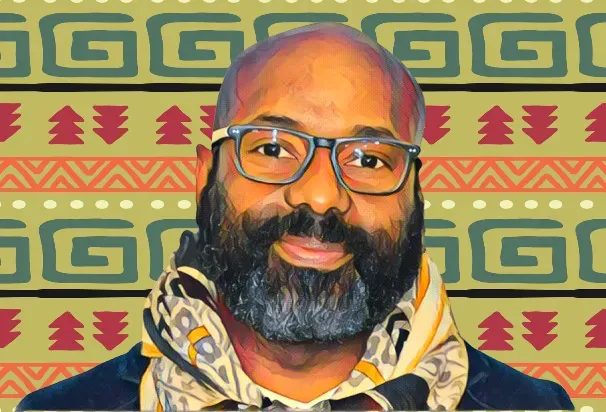
At the center of the dispute is Richelieu Dennis, the entrepreneur who controls the Essence brand through his holding company. Dennis has argued that the financial squeeze reflects a changing corporate climate rather than weak demand from fans. He said the festival saw a sharp drop in corporate sponsorship in 2025 as companies pulled back from diversity, equity and inclusion spending, a retreat that has hit many Black cultural institutions that rely on brand partnerships.
Dennis is best known for building Sundial Brands, the personal care company behind SheaMoisture, then selling it to Unilever in 2017 in a deal widely reported at about $1.6 billion. He later created Essence Ventures and acquired Essence Communications, bringing the legacy media brand back under Black ownership and expanding its business into events, studios and commerce.
The festival’s finances matter beyond one weekend. The event’s current agreement with New Orleans is reported to run through 2026, meaning next year could be pivotal as the city makes its case to keep the festival long term and as organizers negotiate with partners who want assurance that budgets are realistic.
Dennis and festival officials have said they expect core vendors to return and maintain that the brand remains strong. The next test will be straightforward: whether organizers can settle outstanding obligations quickly, rebuild sponsor confidence and show lawmakers that the festival’s books match its cultural stature.