

Table of Contents
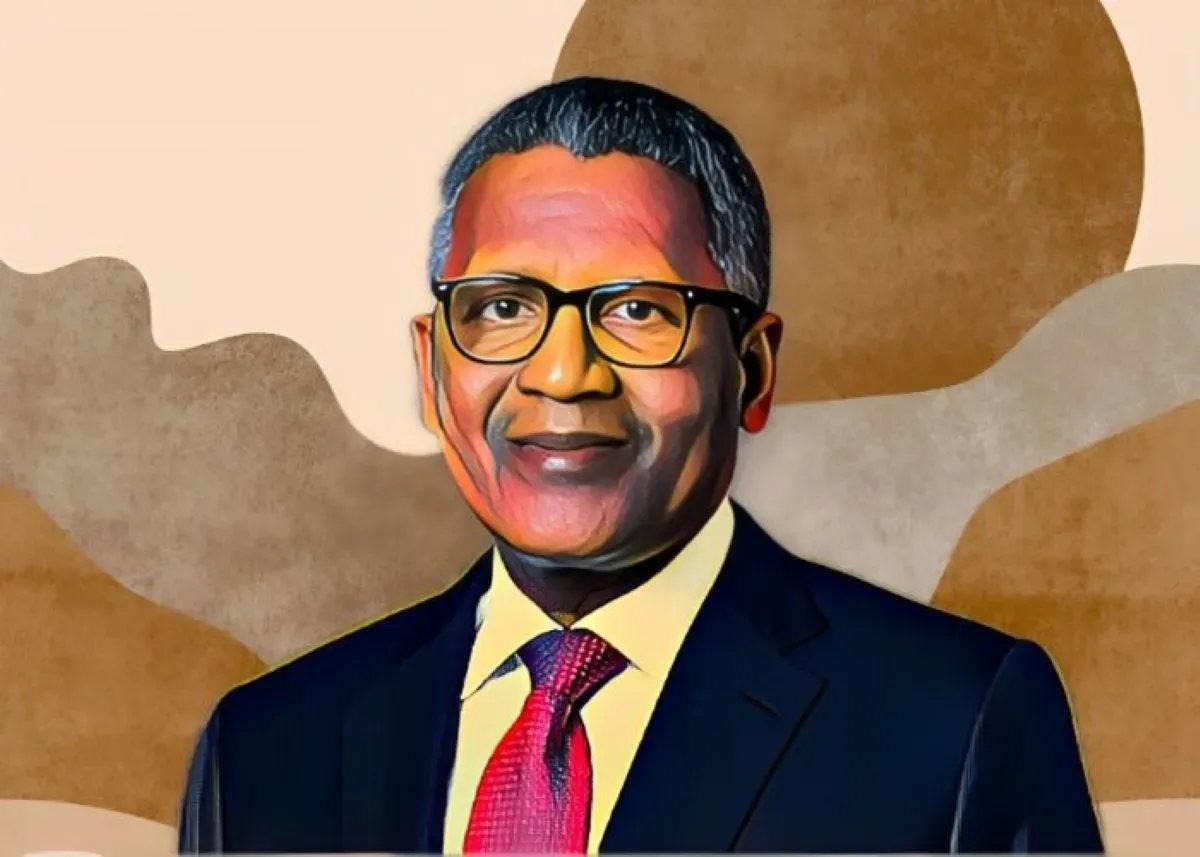
Unlike many of the world’s richest men whose fortunes were built on software, apps, or artificial intelligence, Africa’s richest man, Aliko Dangote, built his $31.9 billion empire through factories, commodities, and heavy industry.
According to the Bloomberg Billionaires Index, his wealth has climbed steadily, rising by $1.89 billion so far in 2026 alone, including a single-day gain of over $50 million.
Dangote’s fortune is rooted in essential sectors that power economies: cement, fertiliser, sugar, and oil refining. His approach reflects a long-term industrial strategy rather than the rapid-growth model common in tech entrepreneurship.
Dangote’s journey began in the 1970s as a commodities trader dealing in sugar, rice, and cement imports. But in 1997, he made a decisive shift that reshaped his business trajectory: instead of importing goods, he began producing them locally. That move into manufacturing transformed both the scale and profitability of his enterprise.
This strategy, often described as import substitution, focused on producing domestically what Nigeria had previously relied on foreign suppliers for. It became the defining philosophy behind his rise.
Cement: The cornerstone of the empire
The biggest contributor to Dangote’s early wealth was Dangote Cement, now Africa’s largest cement producer with operations across 10 countries. Dangote owns about 86 per cent of the company, giving him strong control over its growth and earnings.
A major turning point came in 2005 when he financed a massive plant expansion using $319 million of his own funds plus a $479 million loan from the International Finance Corporation. That bold investment turned the company into a continental industrial giant tied directly to construction, housing, and infrastructure development.
Dangote’s most ambitious project is the Dangote Oil Refinery, a $20 billion facility in Lagos in which he owns about 92.3 percent. Now operating at full capacity, the refinery processes 650,000 barrels of crude oil per day, making it Africa’s largest refinery and one of the largest single-train refineries globally.
The project was designed to solve a long-standing economic paradox: Nigeria exports crude oil but historically imported refined fuel worth billions annually. By refining locally, the plant aims to reduce import dependence and potentially save the country around $7 billion each year.
Next to the refinery sits a petrochemical complex capable of producing 3 million metric tonnes of urea annually, making it the continent’s largest fertiliser production facility.
Dangote has consistently emphasised reinvestment as the core driver of his success. In an interview with Al Jazeera, he explained that his group prefers investing capital into new industries rather than leaving money idle in banks. That mindset explains why his projects tend to be massive, capital-intensive ventures that reshape entire sectors.