

Table of Contents
Tunisia sentenced the country's wealthiest businessman to 20 years in prison Tuesday, handing down one of the most consequential corruption verdicts since President Kais Saied began his crackdown on the old business elite three years ago.
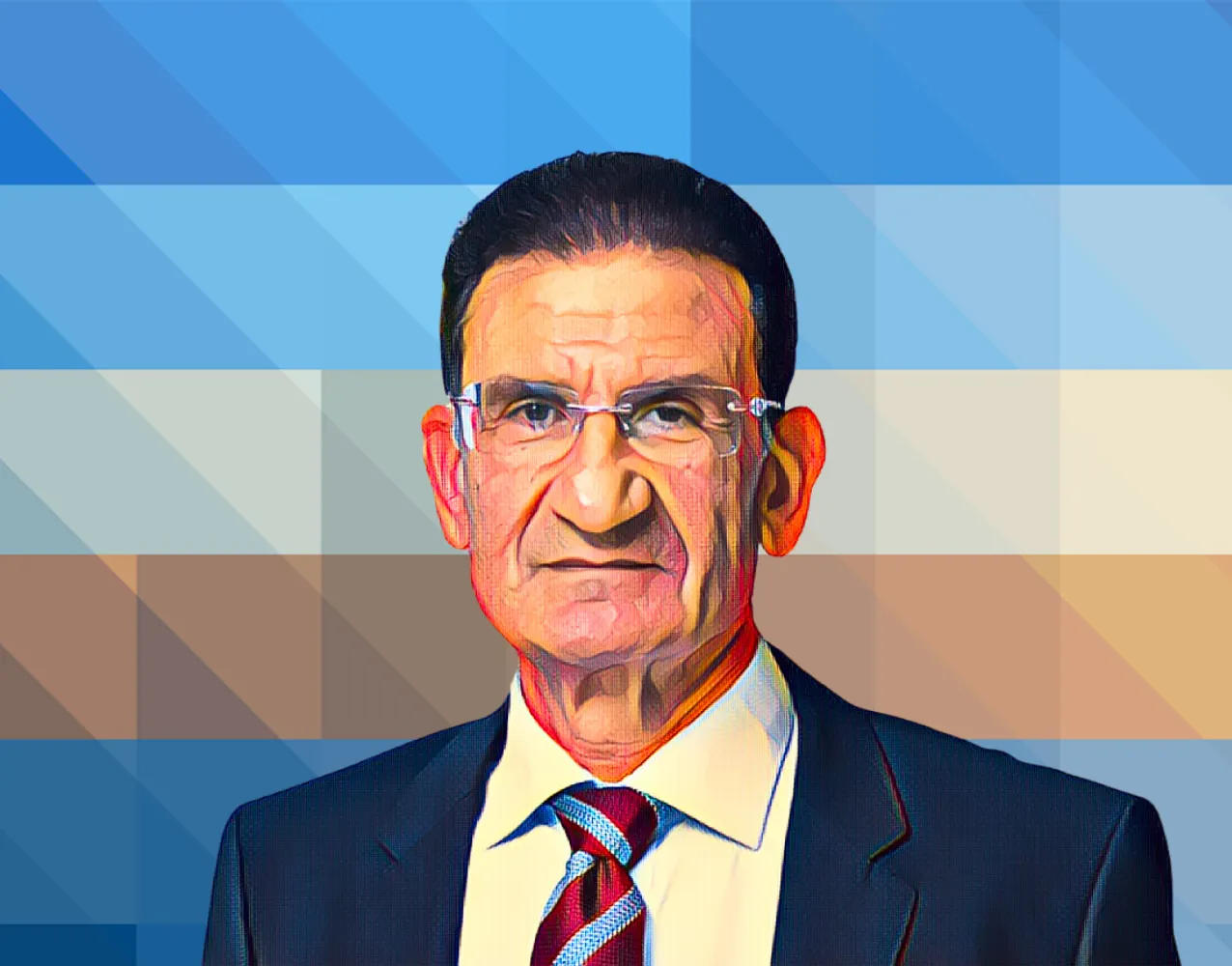
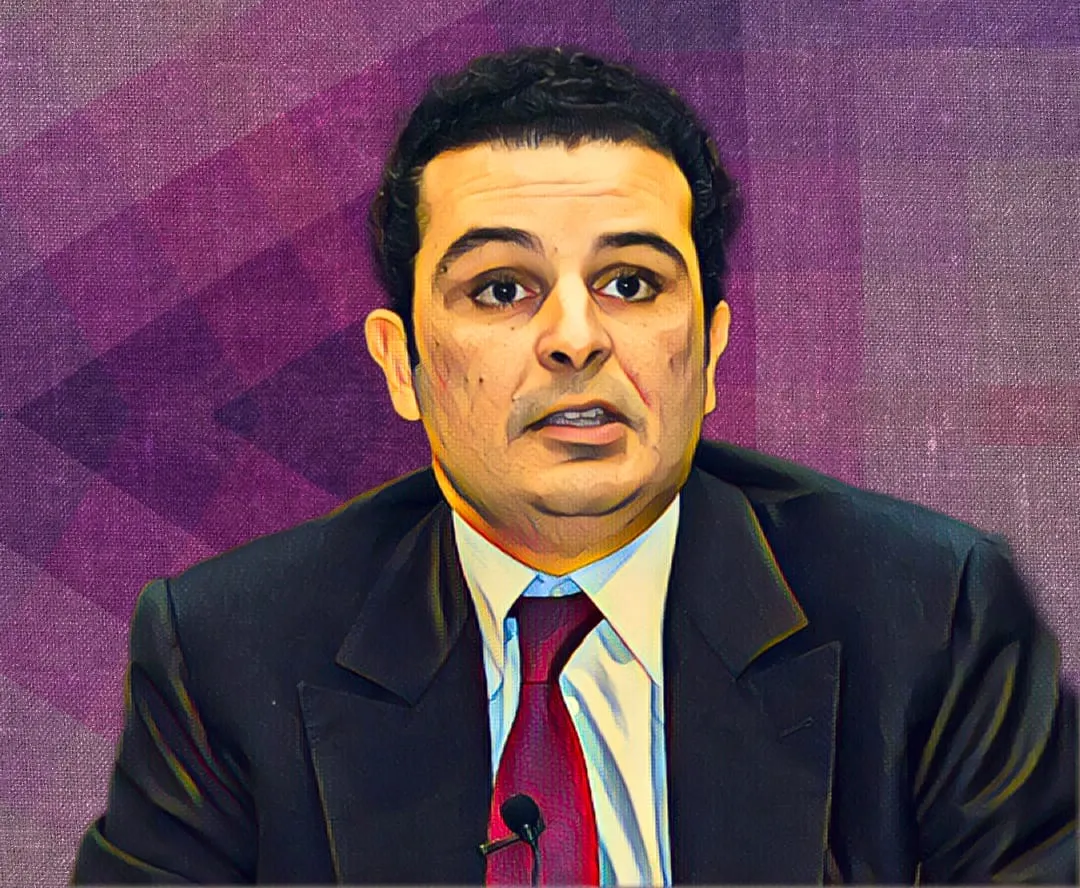
Marouan Mabrouk, son-in-law of former president Zine El Abidine Ben Ali, was convicted on charges of money laundering, stealing funds from state companies and obtaining illegal benefits from the government of former prime minister Youssef Chahed. In a separate but connected case heard the same day, Chahed, who served as prime minister from 2016 to 2020, was sentenced to six years. Six other former ministers in Chahed's cabinet received six-year sentences on the same charges.
Chahed is currently abroad and was not present for the verdict. Mabrouk has been sitting in a Tunisian prison since late 2023.
Chahed's specific conviction stemmed from his cabinet's decision to approve the lifting of a freeze on Mabrouk's assets held in European banks. That decision, made in 2017, drew years of scrutiny from anticorruption advocates who argued it improperly benefited a man already under investigation.
Mabrouk is not simply a wealthy businessman with connections to a deposed dictator. He is part of an influential family with business interests spread across trade, banking, communications and car dealerships, and controls a major supermarket chain with shares in BIAT Bank, French telecoms operator Orange and a biscuit company. He is, by most measures, a central pillar of Tunisia's private economy, and his 20-year sentence sends a signal that cuts well beyond his own case.
His assets were officially seized after the 2011 revolution and transferred to a state fund called Karama Holding, which oversees property recovered from the Ben Ali family's network. Despite that, Mabrouk remained in Tunisia after the revolution and faced years of criticism that successive governments extended him support and protection unavailable to ordinary Tunisians.
That protection, critics long argued, did not disappear when Ben Ali fled to Saudi Arabia. It simply migrated from one administration to the next, which is precisely what Tuesday's verdict appeared designed to address.
Saied came to power in 2019 riding popular fury at Tunisia's post-revolution political class, which many Tunisians felt had allowed the old corrupt networks to survive and even prosper. In 2021, he suspended parliament and assumed sweeping executive powers in a move his opponents called a coup. The anti-corruption agenda became central to his justification for consolidating control.
In 2022, Saied created a committee to collect money from business owners allegedly involved in financial corruption cases, with the explicit goal of reducing Tunisia's budget deficit. He said the state would collect no less than $5 billion.
That target has proven elusive. The Penal Reconciliation Committee recovered just $10 million in its first years of operation. The gap between the ambition and the reality has become one of the defining embarrassments of Saied's presidency, and the arrests and now convictions of figures like Mabrouk appear to reflect a shift from persuasion to prosecution.
Mabrouk had been in negotiations over a settlement that was expected to reach $1 billion, or 3 billion Tunisian dinars, before his arrest in November 2023 ended those talks. The reconciliation window closed when handcuffs replaced negotiations.
The case stretches back further still: in 2018, the EU General Court upheld Mabrouk's inclusion on Tunisia sanctions lists, and Transparency International had urged European governments to keep his assets frozen pending resolution of corruption allegations. When Chahed's government moved to lift those European asset freezes in 2017, it triggered the charges that produced Tuesday's six-year sentence.
Human rights groups and opposition figures have long questioned whether Saied's anticorruption campaign is driven by genuine commitment to accountability or by the need to finance a government increasingly cut off from international lenders. Tunisia has been in a prolonged standoff with the International Monetary Fund over a $1.9 billion loan program, with Saied refusing to implement the subsidy reforms the fund has demanded as a condition.
Tuesday's verdicts will not resolve that tension. But they will reverberate through Tunisia's business community, where the message has been landing for some time: in Saied's Tunisia, the old certainties about who is protected and who is not are gone.
The intelligence satisfies curiosity. The paid briefings satisfy strategy.
Every Monday, Elite subscribers receive an Investor Memo breaking down the deal, the structure and the positioning behind the week's most consequential African wealth story - the kind of analysis that doesn't appear anywhere else.
Twice a month, a Wealth Intelligence brief profiles a single billionaire's holdings, cash flows and expansion pipeline in detail no public source matches.
→ Executive ($25/mo): Daily newsletter + Deep-Dive Reports
→ Elite ($75/mo): Everything above + Investor Memos + Wealth Intelligence + Quarterly Analyst Briefings
Subscribe now