

Table of Contents
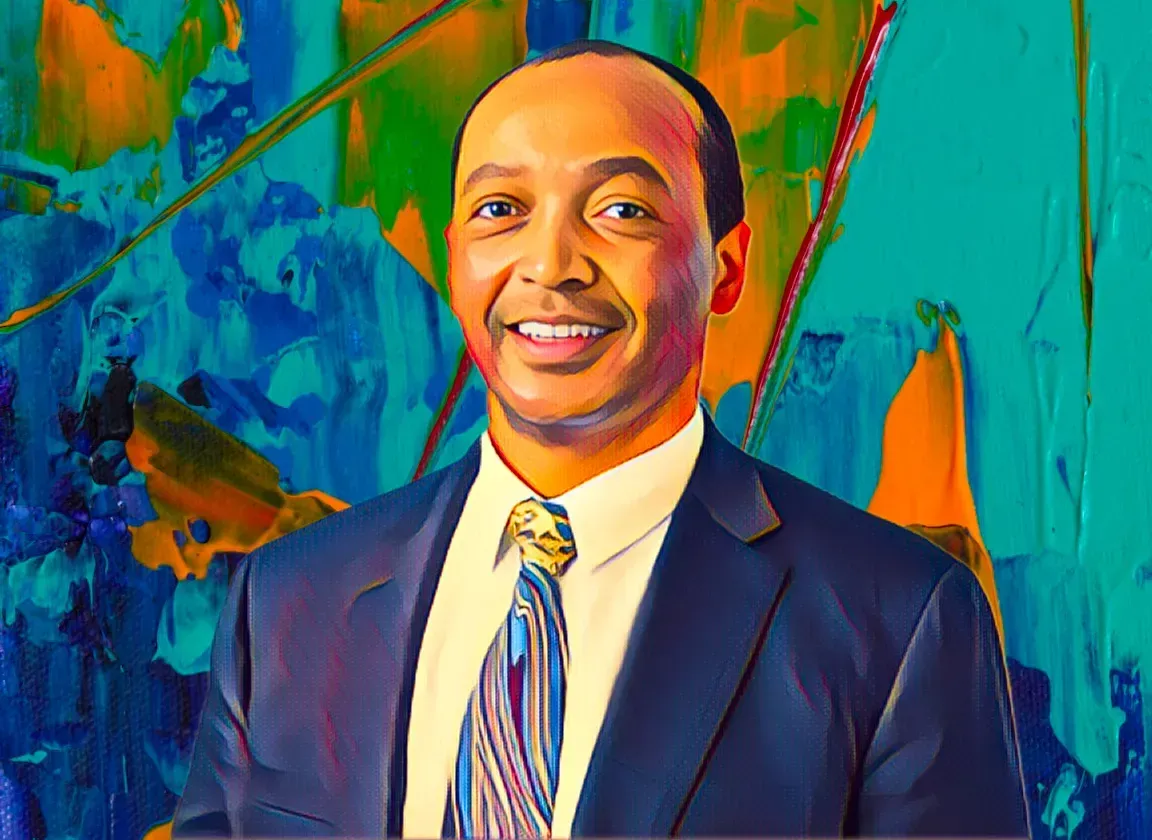
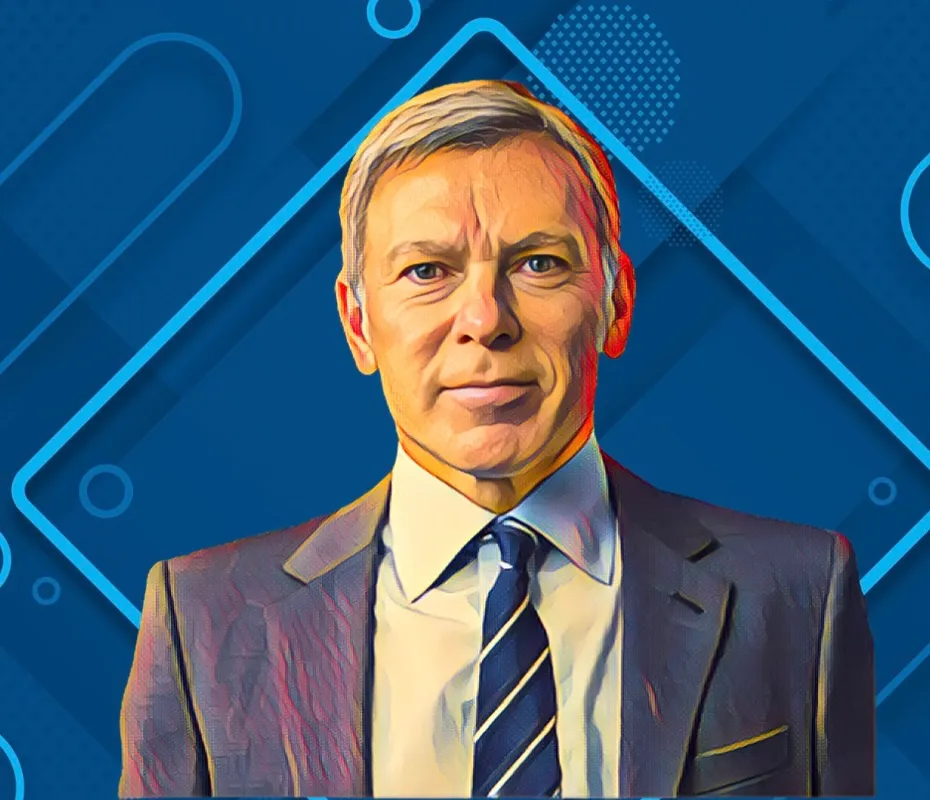
Discovery CEO Adrian Gore said South Africa’s story has changed fundamentally, with the country’s outlook becoming much more positive over the past year.
He said this shift has been driven by closer cooperation between government and big business, which has helped steady the country and put it on a path toward stronger economic growth.
The Discovery CEO made that case plainly in a recent presentation to investors, laying out what he described as a fundamental shift in the country's direction. After years of gloom, he said, the narrative has changed, and data backs that change.
"South Africa is in a very important phase right now," Gore told Daily Investor. "Getting the growth to come through will take some time, but it will come through."
His argument rests on a few pillars. The business-government partnership that he has been part of, he said, has stabilised the country's biggest pressure points. Load-shedding is the clearest example. South Africa recorded just seven days of power cuts in 2025. Two years earlier, in 2023/24, it was 290 days. Rail freight volumes are up 15% year on year.
The country's financial standing has also shifted in ways that analysts would have found difficult to predict a few years ago. Bond yields have fallen from 10.38% to 8.1%. S&P Global handed South Africa its first credit rating upgrade in well over a decade.
"I have been part of the business-government partnership, and I think that we have steadied the ship to a large degree, particularly on Eskom and around logistics," Gore said. "A lot of work is taking place on crime, and you see that indicators are trending in the right direction. Directionally, South Africa is turning the corner."
Gore acknowledged that instability in the Middle East could unwind some of those gains. But he was quick to add that many of the improvements are structural, not cyclical, and remain within South Africa's control.
The more striking part of Gore's argument is not the statistics. It is what he says is happening at street level, in offices and dinner tables, in the conversations people are having about where they want to live.
"My sense at the moment is that people are talking differently about the country. Just the same people compared a few years ago to now," he said. "My impression is that the world has become less appealing and South Africa is now more appealing. People who used to say they are going to the UK are now saying that it is terrible and that things in South Africa are not that bad."
He has seen it inside Discovery itself. Three or four years ago, he said, the company was fighting to retain staff, watching people leave for opportunities abroad. That pressure has largely eased.
"We are not facing emigration anymore. At one stage, three to four years ago, you were holding on to people. It has changed," Gore said.
He is careful not to overstate this. He knows people are not wired for optimism. "As an individual, I believe optimism lets you see opportunities. We are not coded for that. We are coded to be negative," he said. "But as a mass of people, there is a huge number of opinions floating around, and they change from time to time for better or worse."
What matters, he said, is that those opinions are now moving in the right direction. And that matters more than many people realise.
"Opinions change irrationally over time in different ways, but one thing is for sure, and the studies show that opinions are causal," he said.
That last point is central to how Gore thinks about South Africa's economic trajectory. Confidence, investment and growth are not separate variables. They feed each other, or starve each other, depending on which direction the narrative is running.
"We have got to try and ditch the sense that the country is in inevitable decline. The current thought is that no matter what happens, it will revert to decline. I think that stops investment," he said.
A different narrative, he argued, can move real money. Businesses start hiring. People on the street feel it. More people spend. The cycle builds on itself.
"If you can create a different narrative with economic growth, you will see people on the street feeling more positive and businesses investing more. The narrative in our country is always worse than it really is," Gore said.
"I am totally convinced about the rubric we have created about growth, jobs, and confidence. Whatever we do must be about creating economic growth that creates jobs and confidence."
He believes the country is already inside that loop, even if most people have not fully registered it yet.
"If you change that narrative and give us some confidence with the economic growth, I think you will see a massive transfer of benefit to the ordinary person, and then you get a kind of a flywheel effect," Gore said.
The hard part now, he said, is patience. The foundation has been laid. The indicators are moving. But economic momentum, once lost, takes time to rebuild.