


Table of Contents
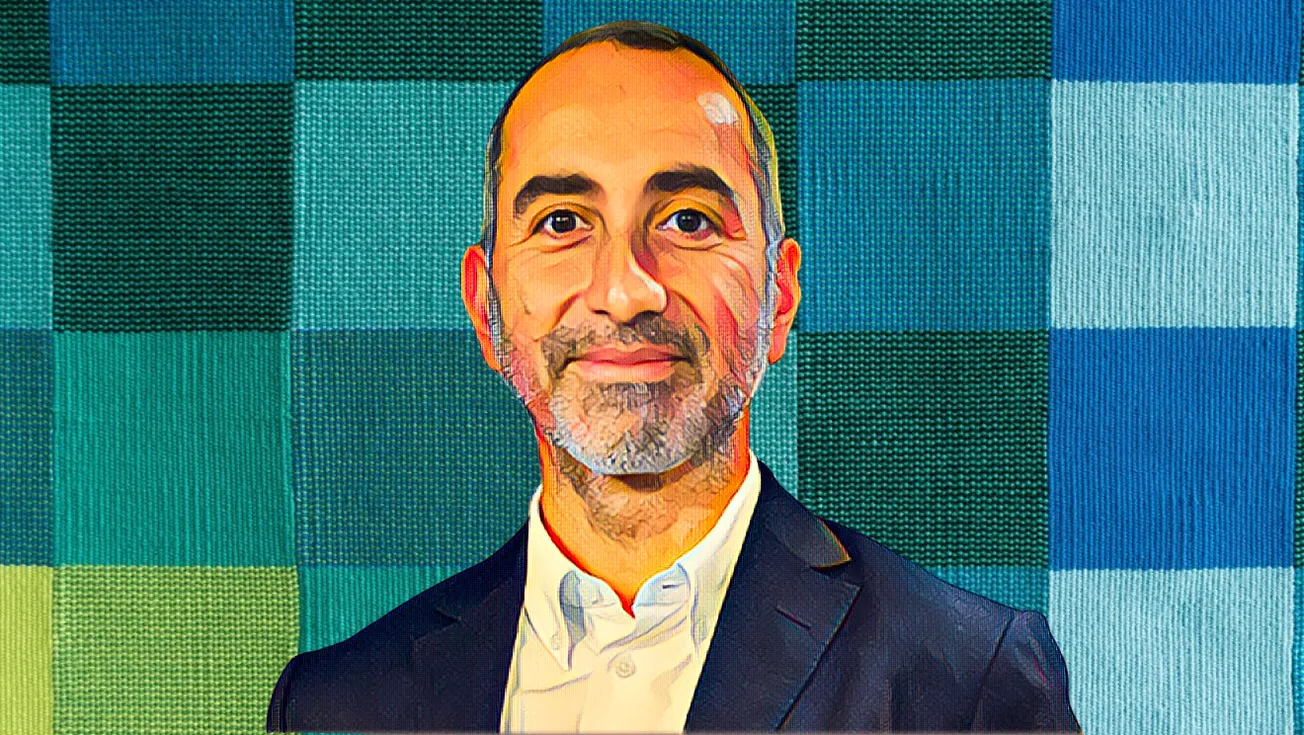
Mounir Nakhla says MNT-Halan is in its strongest position since he started building it, and the numbers behind his 2026 plan suggest he means it. The founder and CEO of Egypt's first fintech unicorn is targeting up to EGP 30 billion ($595 million at the current exchange rate) in financing through debt instruments, including securitization issuances and bonds, before the end of the year.
The target is part of a broader capital strategy aimed at diversifying the company's funding sources and accelerating the expansion of its non-banking financial services in Egypt. It follows a track record of oversubscribed securitization deals that the company has been executing since 2021, when it first established itself as a credible issuer in the local debt capital market.
Nakhla said each entity within the group is currently performing at its peak, despite the geopolitical pressures affecting some of the markets where MNT-Halan now operates. The company runs operations in four countries: Egypt, Turkey, Pakistan and the United Arab Emirates.
That footprint is a long way from where things started. Nakhla grew up in Zamalek, Cairo, attended an international school and later studied at Regent's University London before earning a master's degree from the London School of Economics. He spent years in the fintech and microfinance space before the business that would eventually become MNT-Halan took shape. He founded Mashroey and then Tasaheel, which became one of Egypt's largest microfinance companies, before turning his attention to a new idea.
In 2017, after a meeting with the founder of Indonesian super app Gojek arranged by an emerging markets investor, Nakhla came away convinced that technology could be used to scale financial services in Egypt faster than anything he had seen before. He co-founded Halan that year with Ahmed Mohsen, launching it initially as a mobility app focused on motorcycles and tuk-tuks serving Egypt's informal economy. It was never meant to stay a ride-hailing company. When the unit economics of mobility proved unsustainable, Nakhla and Mohsen pivoted hard into financial services, building proprietary core banking software in-house and relaunching the business around lending, digital payments and financial inclusion.
In June 2021, the current company was formally created when MNT Investments merged with Halan to form MNT-Halan. The same year it raised $120 million and positioned itself as Egypt's largest non-bank lender to the unbanked. By 2022, revenues had crossed $300 million. In early 2023, after Abu Dhabi's Chimera Investments acquired a 20 percent stake for $200 million, MNT-Halan crossed the $1 billion valuation threshold, becoming Africa's first unicorn of 2023 and Egypt's first private tech company to reach ten figures. A $157.5 million raise followed in mid-2024, which included a $40 million investment from the IFC, the World Bank's private sector arm.
Today the company reports more than 1.2 million activated cards, with between 70,000 and 120,000 new cards issued every month. Nakhla said the monthly volume of financial cards distributed by MNT-Halan now approaches or nearly matches the total issued by the entire Egyptian banking sector, falling short by only 10 to 20 percent. More than 100,000 users are investing in funds through the Halan app, with between 10,000 and 15,000 new investors joining the platform each month.
In real estate, the company is preparing to launch the second issuance of the Halan AZ Real Estate Fund in the second quarter of 2026, targeting capital of no less than EGP 250 million. The move follows the first issuance at the same capital level and is designed to enable individuals to invest partially in administrative real estate assets, broadening retail access to property investment through regulated instruments. Nakhla also said the company expects to receive a mortgage finance license this month, which would deepen the integration of its financial services and expand its ability to finance customers purchasing real estate units.
On the technology side, Nakhla outlined plans to expand the use of artificial intelligence across the group's operations and service delivery. It is a direction consistent with how MNT-Halan has positioned itself throughout its growth: using technology to do at scale what traditional financial institutions could not or would not do for Egypt's underbanked population, and then building enough of a business around that thesis to attract serious institutional capital.
The EGP 30 billion debt program is the clearest signal yet of how far that thesis has traveled.