

Table of Contents
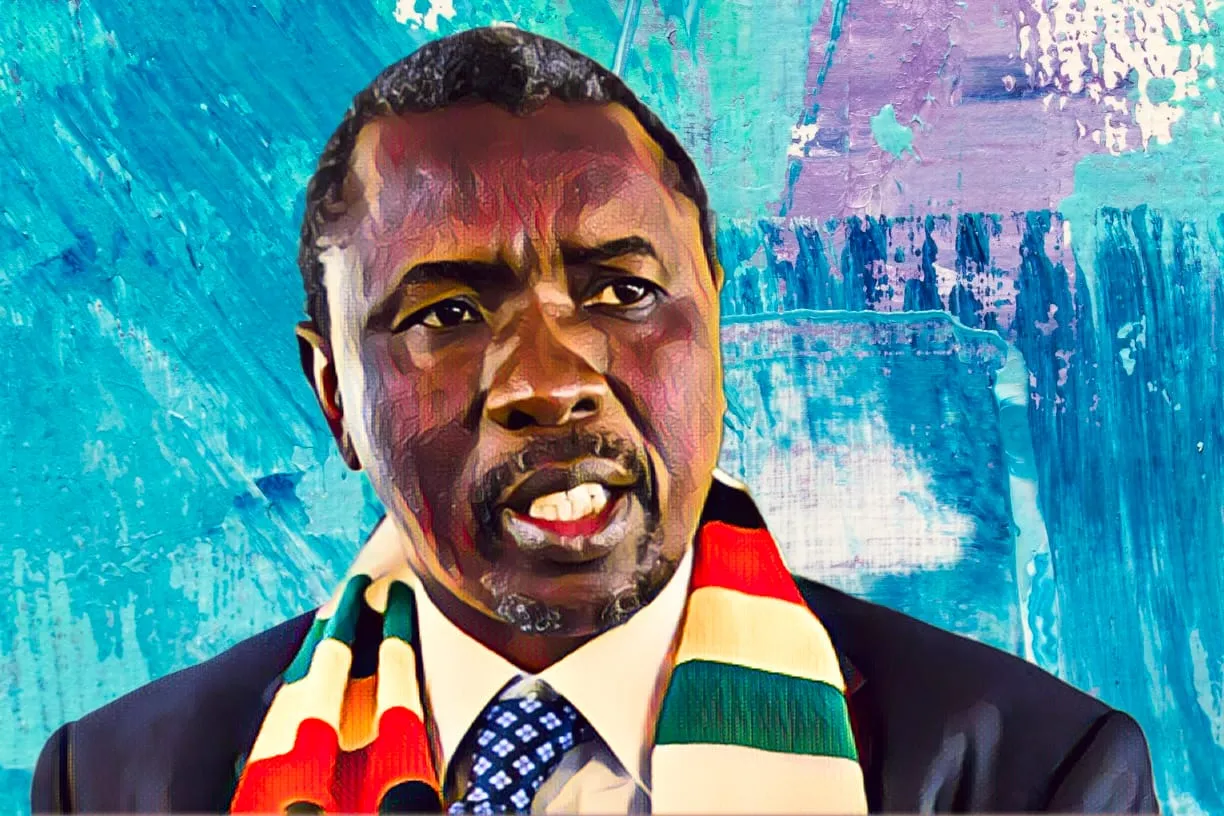
Kudakwashe Tagwirei, the sanctioned Zimbabwean businessman who built one of the country's largest private business empires on state contracts, paid $1.8 million at a charity auction in Harare on Thursday for a car President Emmerson Mnangagwa drove as a law student at the University of Zambia more than half a century ago.
The vehicle is an Aston 1300, the first car Mnangagwa ever owned. After winning the bid, Tagwirei immediately donated it back to the ED-University of Zambia Scholarship Trust, the organization that organized the auction. The trust supports Zimbabwean students studying at the Lusaka institution.
The auction, which sold memorabilia associated with the Zimbabwean president, raised more than $2.5 million in total.
Tagwirei is under sanctions from both the United States and the United Kingdom. Washington has accused him of leveraging close relationships with senior Zimbabwean officials to secure government contracts without competitive tender, obtain preferential access to foreign currency, and supply those same officials with luxury goods including expensive vehicles. The U.S. Treasury has said his conduct helped derail Zimbabwe's economic development by entrenching corruption at the top of the state.
His business empire spans energy, mining, agriculture and finance. He held a fuel-sector partnership with Singapore's Trafigura until U.S. sanctions forced the arrangement to collapse. Despite the sanctions, his domestic footprint has continued to grow.
Tagwirei was recently elevated to Zanu PF's central committee and is widely reported to harbor presidential ambitions. His advisers are said to believe he stands to be the primary beneficiary of planned constitutional changes that would abolish the requirement for a president to win a popular vote and replace it with a vote by members of parliament sitting as an electoral college. The proposed amendments would also remove the vice president's automatic right to assume the presidency if the incumbent dies, becomes incapacitated or resigns, with parliament instead choosing a successor.
His strategy for building influence inside Zanu PF has been direct and expensive. He has spent millions buying vehicles for members of the party's central committee, politburo and parliamentary caucus. Legal analysts say the pattern appears designed to position him as the natural successor should Mnangagwa depart, turning the presidency into something closer to a transaction between patrons than a democratic contest.
The $1.8 million he paid for an old car at a charity auction, and then handed straight back, fits neatly into that pattern. The gesture cost him money and bought him something more valuable: proximity, visibility and a public display of loyalty to a president whose backing he will need if his ambitions are to go anywhere.