

Table of Contents
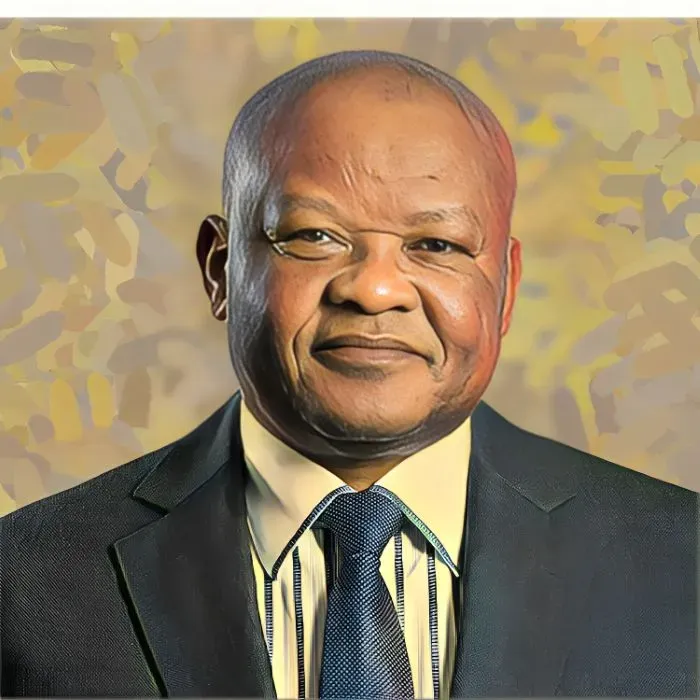
Veteran businessman Saki Macozoma told a high-level summit in Cape Town that Black Economic Empowerment must be overhauled and carried forward by a new generation of leaders, not defended by the same people who built it and not buried by those who want to be done with it.
Macozoma made the case on Friday during the "To BEE or not to BEE" panel at News24's On the Record summit, held at the Cape Town International Convention Centre. The two-day gathering, themed around creating five million jobs in 10 years, put empowerment policy at the center of a conversation about inequality, growth and whether South Africa's economy can seriously expand without confronting its racial architecture.
His position was not that BEE has succeeded. It was that scrapping it is the wrong answer. The implementation needs to be rebuilt, he argued, with different people driving it and a different focus than the dealmaking and ownership transactions that defined the policy's first three decades.
Macozoma was joined on the panel by Centre for Development and Enterprise founder Ann Bernstein and political analyst Mpumelelo Mkhabela. The discussion was hosted by Pulitzer Prize-winning author Dела Olojede.
The pressure on the policy has been building for some time. Critics say three decades of BEE have concentrated wealth in a narrow elite while doing too little to expand opportunity for the wider black population. Defenders counter that the country cannot talk seriously about growth while ignoring the racial exclusion still embedded in its economy. The argument, as it now stands, is less about whether redress is necessary than whether the current model is still capable of delivering it.
That is the gap Macozoma stepped into. His credibility on the question is real. He has long been identified with the rise of black business in democratic South Africa, named alongside figures like Cyril Ramaphosa, Patrice Motsepe and Tokyo Sexwale as part of the first generation of empowerment deal-makers. That same history makes his critique harder to dismiss. He is not an outsider attacking the policy. He is one of its architects saying it needs to change hands.
A News24 reader poll on the broader BEE debate offered a snapshot of how divided opinion has become. Forty percent of respondents said the policy should be kept as is, 31 percent backed scrapping it entirely and 29 percent called for revision and reform. The poll is not scientific, but the numbers captured a national mood that has shifted considerably from the relative consensus of the early post-apartheid years.
The summit's organizers deliberately anchored the BEE discussion in the jobs crisis rather than treating it as a standalone political argument. South Africa's unemployment rate, particularly among young black South Africans, remains among the highest in the world. That context pushed the debate away from ownership targets and procurement scorecards and toward the harder question of whether empowerment policy produces stronger firms, genuine entrepreneurship and jobs at scale. Critics have long argued it too often rewards deal-making over building. Supporters say that is a function of poor implementation, not poor policy design.
Macozoma's answer on the Cape Town stage was a call for reset rather than retreat. The country does not need to bury empowerment, he suggested. It needs a version of it that is less captive to old networks, less tainted by association with state capture and corruption, and more capable of speaking to a new era of business leadership on the continent.
Whether that argument gains traction will depend on more than one summit panel. But his intervention at On the Record captured the moment accurately. The debate in South Africa has moved on from whether BEE was justified. The question now is whether it can still work.