


Table of Contents
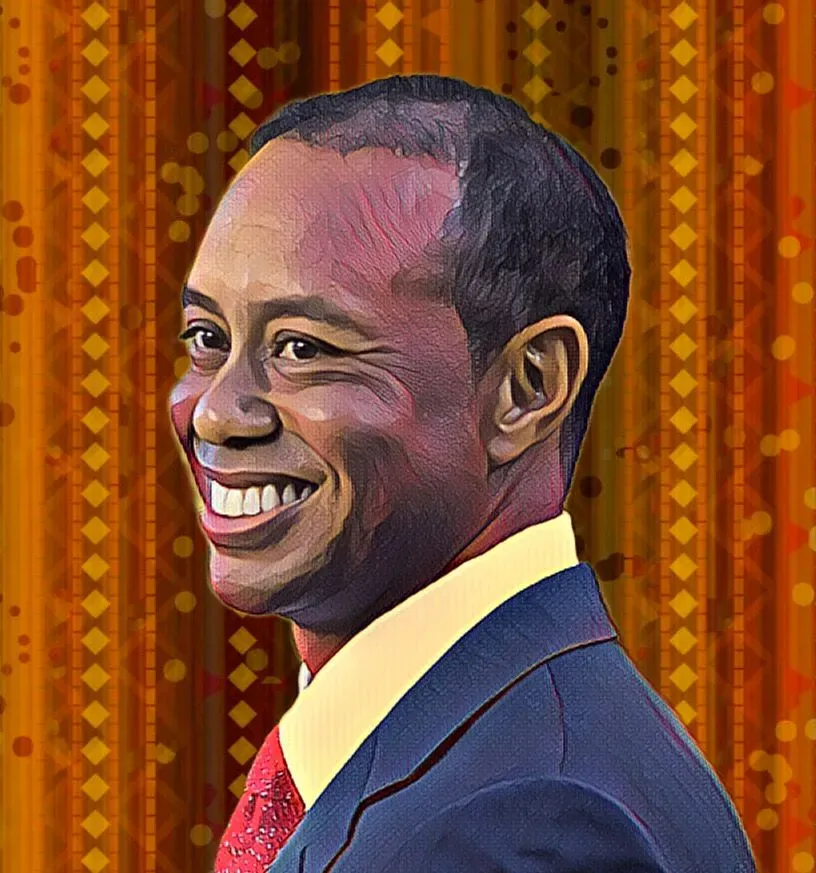
The NFL has confirmed a partnership with TMRW Sports, the technology-focused venture co-founded by Tiger Woods, to launch a professional flag football league for both men and women, with Serena Williams, Russell Wilson and a broad roster of Black athletes among the lead investors in the new competition.
The league is designed to build momentum toward the 2028 Los Angeles Olympics, where flag football will make its debut as an Olympic sport. The NFL is treating the initiative as central to its global expansion strategy. Peter O'Reilly, an NFL executive, said flag football is now fundamental to the league's international plans, citing an estimated 20 million players across 100 countries.
Williams, the 23-time Grand Slam champion, is investing alongside her husband Alexis Ohanian. Wilson, the Super Bowl-winning quarterback, is joined by active NFL players including linebacker Bobby Wagner and defensive lineman Arik Armstead. Retired Hall of Fame receiver Larry Fitzgerald is also among the backers. Fitzgerald, 42, said the initiative has been a long time coming given the game's international growth.
All 32 NFL teams have authorized an initial investment of up to $32 million through 32 Equity, their collective investment vehicle, giving every franchise a stake in the new venture from the outset.
The broader investor group also includes Tom Brady, Peyton Manning and tennis legend Billie Jean King, alongside former NFL players Justin Tuck, Ryan Nece and Dhani Jones. Institutional support is coming from Ariel Investments and Project Level.
TMRW Sports, which Woods co-founded, brings a technology-forward approach to sports development. The group's involvement signals that the league will be built with digital distribution and global accessibility in mind, not just domestic television rights and stadium attendance.
The Olympics angle is the clearest commercial driver behind the timing. Flag football's inclusion in the 2028 Games in Los Angeles gives the sport a global stage and gives the NFL an unusually direct connection to the Olympic movement. Building a professional league before the Games creates a competition pipeline, generates player familiarity and gives broadcasters and sponsors a reason to invest before the Olympic moment arrives.
The concentration of Black athletes among the lead investors is notable and deliberate. Williams, Wilson, Fitzgerald, Wagner and Armstead represent a group of some of the most decorated athletes of their generation, and their involvement at the capital level rather than simply as ambassadors reflects a broader shift in how professional athletes approach sports ownership. Each has built investment portfolios outside their playing careers, and flag football sits within that pattern.
The league will run competition for both men and women, a structure that aligns with the Olympic format and that broadens the potential audience and talent base beyond what a men-only competition could achieve. That inclusive design is also consistent with Williams's investment history, which has repeatedly focused on sports and media ventures with women's participation at the center.
The flag football market has grown significantly over the past decade, particularly in youth sports where the contact-free format has attracted families who want their children to play the game without the injury risks associated with full-contact football. That grassroots base gives the new professional league a natural feeder system that traditional tackle football leagues do not have in the same form.
No competition dates, team structures or television arrangements were disclosed in the announcement. What the NFL confirmed is the partnership structure, the investor group and the Olympic timeline that the league is built around. The full commercial architecture of the competition will become clearer as the 2028 Games approach and the league moves from announcement to operation.