

Table of Contents
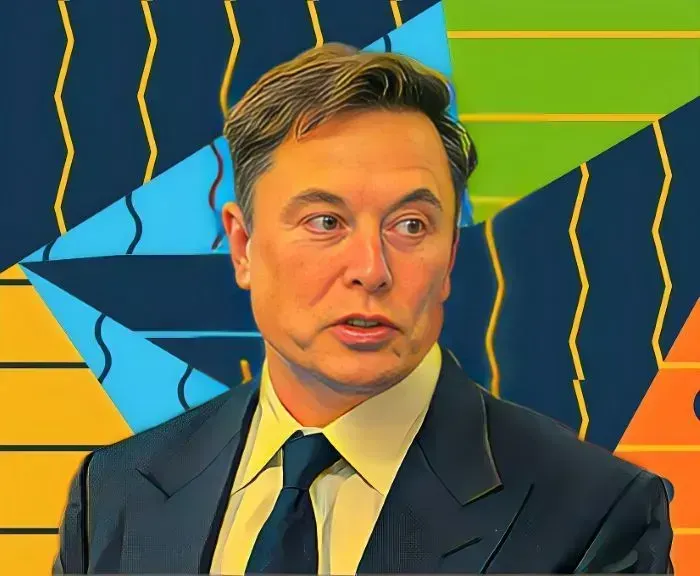
Elon Musk escalated his long-running dispute with South Africa's telecom regulators on April 12, claiming the government has refused to license Starlink in the country because he is not Black and alleging that unnamed officials offered him a pathway to circumvent local empowerment rules through bribery.
In a post on X, Musk, the founder and chief executive of SpaceX, wrote that South Africa had blocked the satellite internet service "simply because I am not Black" and said officials had "many times" proposed that Starlink register a Black South African as a nominal operator in exchange for a license. He said he had refused on principle.
The allegation centers on South Africa's Broad-Based Black Economic Empowerment legislation, which requires telecommunications licensees to allocate at least 30 percent equity ownership to historically disadvantaged South Africans. The Independent Communications Authority of South Africa, the sector's regulator, enforces the rule across all operators. Musk has repeatedly argued the policy amounts to racial discrimination against him personally.
The government pushed back swiftly. Clayson Monyela, the head of public diplomacy at South Africa's Department of International Relations and Cooperation, posted on X that more than 600 US companies operate in the country by complying with local law without incident. Musk responded to the post with expletives, calling Monyela a racist.
Vincent Magwenya, the spokesperson for President Cyril Ramaphosa, offered a blunter retort. "There are currently 193 member states in the United Nations," Magwenya posted on X. "Surely, there's good money to be made out of 192 markets. It's okay to move on!" Magwenya also characterized Musk's claims as "repeated lies."
The row follows a December 2025 directive by Communications Minister Solly Malatsi instructing ICASA to recognize Equity Equivalent Investment Programs as a substitute for direct share transfers. Under the framework, substantive investments, such as Starlink's proposal to connect South African schools to satellite internet, would count toward empowerment targets without requiring Musk to sell equity. ICASA had not completed the necessary regulatory changes as of April 2026, leaving Starlink's formal licensing in limbo.
South Africa's telecom market includes more than 60 million mobile subscribers and carries significant strategic weight for SpaceX as it pushes Starlink's footprint across Sub-Saharan Africa. Neighboring countries including Nigeria, Rwanda and Mozambique have already cleared the service to operate.
The intelligence satisfies curiosity. The paid briefings satisfy strategy.
Every Monday, Elite subscribers receive an Investor Memo breaking down the deal, the structure and the positioning behind the week's most consequential African wealth story - the kind of analysis that doesn't appear anywhere else.
Twice a month, a Wealth Intelligence brief profiles a single billionaire's holdings, cash flows and expansion pipeline in detail no public source matches.
→ Executive ($25/mo): Daily newsletter + Deep-Dive Reports
→ Elite ($75/mo): Everything above + Investor Memos + Wealth Intelligence + Quarterly Analyst Briefings
Subscribe now