

Table of Contents
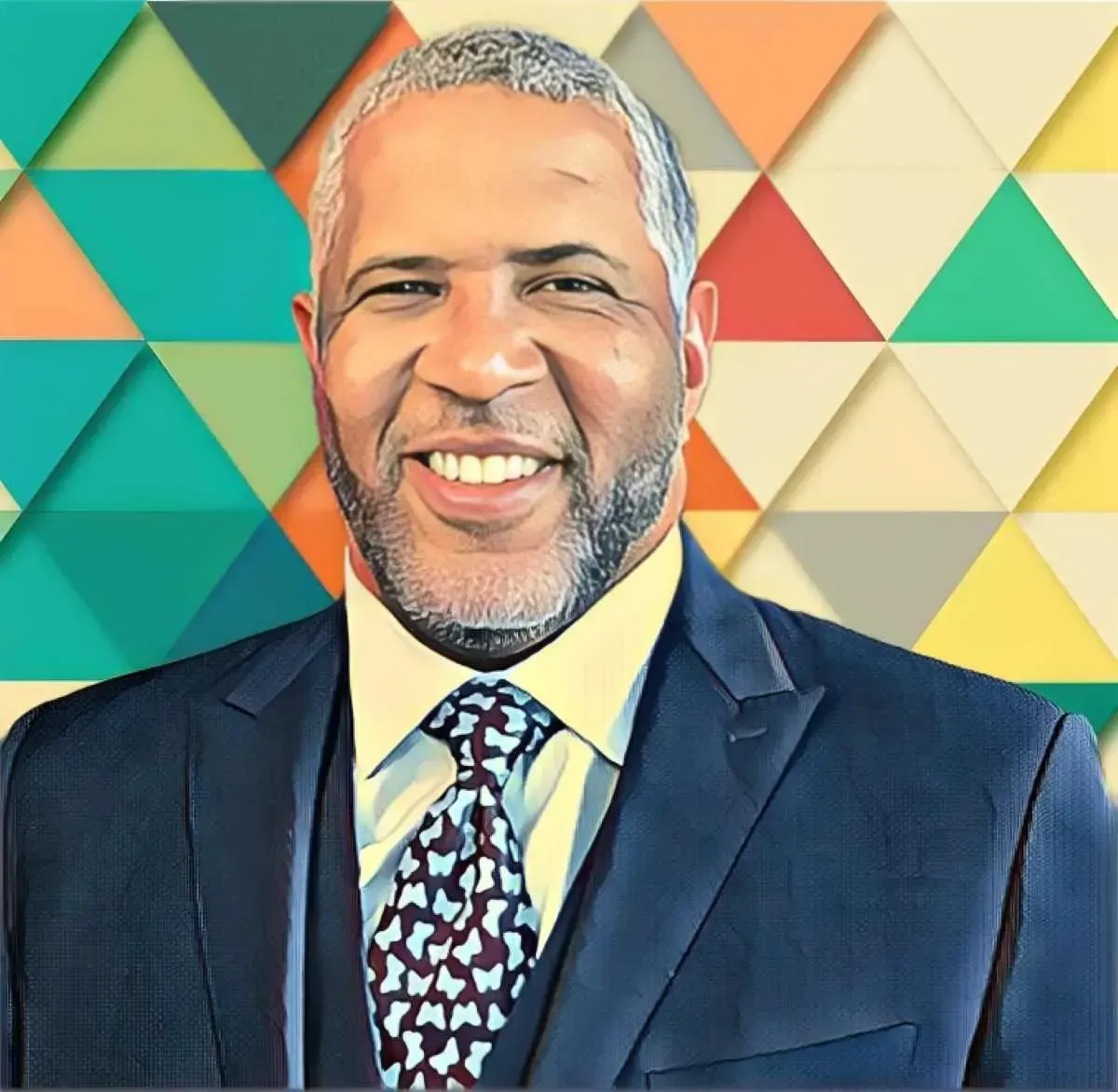
Robert F. Smith, the founder and chief executive of Vista Equity Partners and one of the wealthiest Black Americans alive, told the XCEL Summit For Men that up to $3 trillion is being poured into artificial intelligence infrastructure globally and that the next wave of returns from the AI boom will not come from the hyperscalers and publicly traded giants that most investors are chasing.
Speaking at the summit alongside Black Enterprise CEO Earl Butch Graves Jr., Smith declared that AI is here to stay and framed the scale of global investment in the technology in terms designed to make the audience understand the structural shift underway. The $3 trillion figure encompasses total capital commitments to AI infrastructure across data centres, GPU computing, power generation and the software stack being built to sit on top of it.
His investment thesis, which he has articulated consistently since late 2025, is that the most significant economic returns from that infrastructure buildout will accrue not to the builders of the infrastructure itself but to the enterprise software companies that deploy AI capabilities directly into business workflows. Vista Equity manages more than $107 billion in assets under management and invests exclusively in enterprise software businesses, making the firm's positioning in the AI transition direct rather than speculative.
Smith has said publicly that 30 of Vista's portfolio companies are already generating revenue from agentic AI, the category of artificial intelligence tools that execute complex business tasks autonomously rather than simply generating text or images. A further 30 to 40 portfolio companies are expected to convert to agentic AI in the coming months. The practical applications span healthcare, where one Vista company uses AI agents to transcribe therapy sessions and draft clinical notes, to supply chain management, where another portfolio company helps businesses assess tariff exposure and regulatory compliance in real time.
The competitive logic Smith advances is structural. He has argued that 97 percent of enterprise software companies remain private, meaning the market opportunity Vista targets is largely inaccessible to public market investors watching Nvidia, Microsoft, Meta and Alphabet dominate the AI narrative. The hyperscalers build the rails. The enterprise software companies run on them and capture the productivity gains at the application layer, where Smith says the largest share of economic returns has historically accrued once a technology cycle matures.
Vista Equity was founded by Smith in Austin, Texas in 2000. Its investment strategy has remained consistent across 26 years: acquire enterprise software businesses with strong customer retention and mission-critical workflow positions, improve operational efficiency, and exit at a premium. The AI transition, in Smith's framing, is accelerating the value creation timeline inside that strategy rather than disrupting it.
Smith's personal net worth is estimated at approximately $11.1 billion, built primarily through his stake in Vista and its carried interest on fund returns. He made history in 2019 when he pledged to pay off the student loan debt of the entire Morehouse College graduating class, a commitment worth approximately $34 million. The XCEL Summit appearance is consistent with his ongoing engagement with Black professional and entrepreneurial communities as a speaker, mentor and philanthropic actor.
The intelligence satisfies curiosity. The paid briefings satisfy strategy.
Every Monday, Elite subscribers receive an Investor Memo breaking down the deal, the structure and the positioning behind the week's most consequential African wealth story - the kind of analysis that doesn't appear anywhere else.
Twice a month, a Wealth Intelligence brief profiles a single billionaire's holdings, cash flows and expansion pipeline in detail no public source matches.
→ Executive ($25/mo): Daily newsletter + Deep-Dive Reports
→ Elite ($75/mo): Everything above + Investor Memos + Wealth Intelligence + Quarterly Analyst Briefings
Subscribe now