

Table of Contents
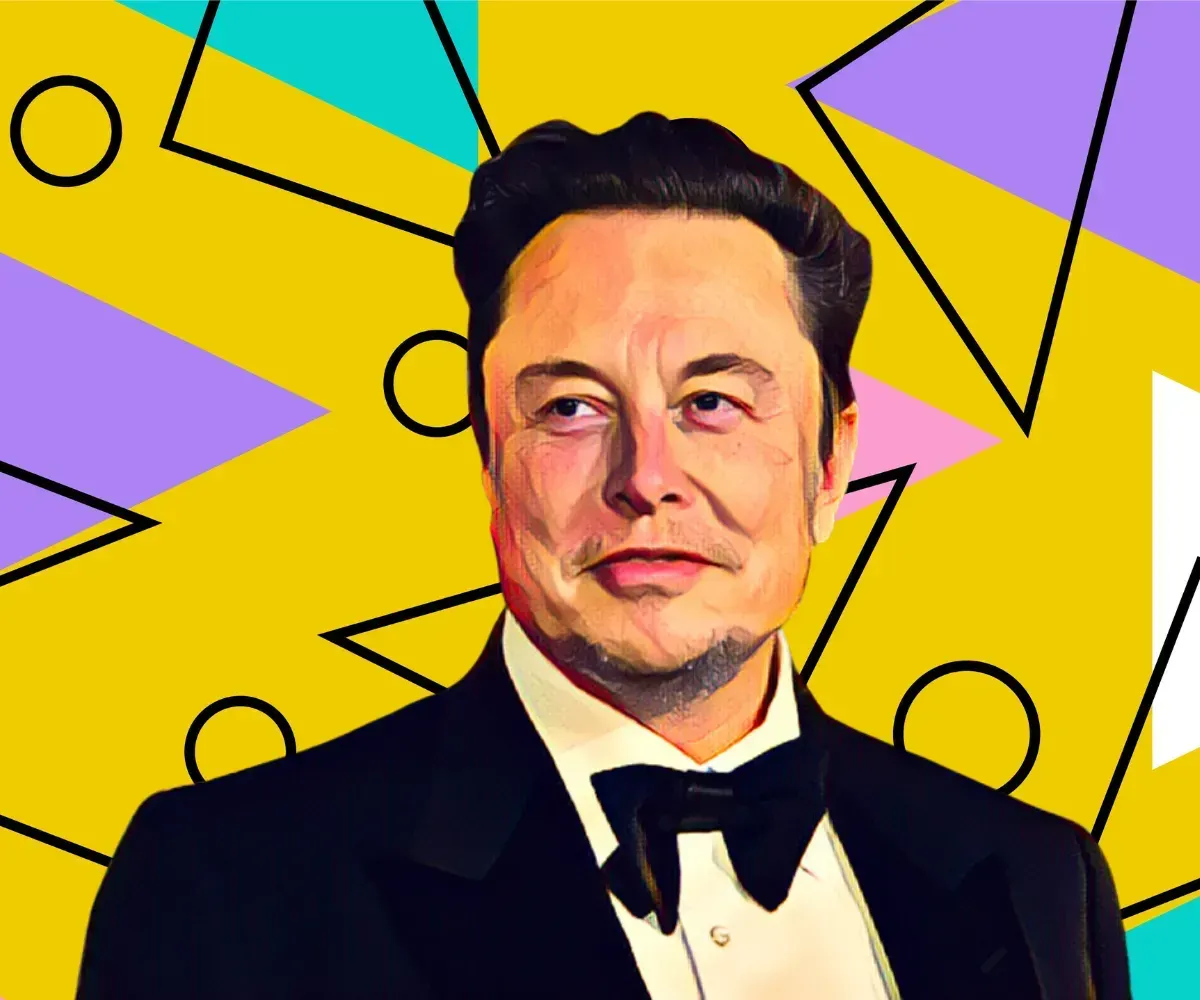
Elon Musk built Starlink into the world's dominant satellite internet service. Now Amazon is spending $11.57 billion to come after it.
Amazon's chief executive officer Andy Jassy agreed Tuesday to acquire Globalstar in the company's largest deal since buying Whole Foods in 2017. The acquisition hands Amazon the infrastructure, spectrum and operational backbone it needs to turn Leo -- its fledgling low-Earth orbit satellite project -- into something that can genuinely threaten what Musk has spent years building.
Starlink, a subsidiary of SpaceX, already has more than 10,000 active satellites in orbit and counts over 10 million paying customers. It launched in 2019 and has never really had a credible rival. That is the position Amazon is now trying to change.
Leo currently has roughly 240 satellites in orbit. Globalstar adds a constellation of about 50 more, but the real prize is spectrum. Globalstar's direct-to-device licenses allow phones and other devices to connect through satellites beyond the reach of conventional cell towers -- technology Amazon plans to deploy under a next-generation Leo D2D system in 2028. Musk's Starlink has been pushing into the same direct-to-device space. Amazon, with this deal, just bought itself a faster lane.
Under the agreement, Globalstar shareholders will receive $90 per share in cash or 0.3210 shares of Amazon common stock per Globalstar share. Amazon inherits Globalstar's full operational footprint -- facilities in Louisiana, Georgia, Dublin, Rio de Janeiro, Toulouse and two locations in California.
Jassy laid out Leo's commercial momentum in his annual shareholder letter last week. Signed clients already include Delta Air Lines, JetBlue, AT&T, Vodafone, DIRECTV Latin America, Australia's National Broadband Network and NASA -- all awaiting more satellites before services go live. Leo's official launch is set for mid-2026.
The deal also unlocks a significant consumer relationship. Globalstar has powered Apple's Emergency SOS feature on iPhones and Apple Watches since 2022. Apple took a 20% stake in Globalstar in 2024. Amazon confirmed Tuesday it has separately agreed with Apple to maintain that feature on its devices after the acquisition closes -- putting Leo inside one of the most widely used emergency services in the world.
Amazon executive Panos Panay said the combined infrastructure would extend coverage into underserved regions and deliver faster, more reliable service in more places.
Musk is not Amazon's only concern in orbit. Blue Origin – founded by Amazon's own founder and former chief executive Jeff Bezos – is developing TerraWave, a constellation targeting at least 5,400 satellites by end of 2027, aimed squarely at enterprise connectivity customers.
Still, it is Starlink that defines the benchmark. Musk's service is privately held under SpaceX, which is preparing for a public listing this year at a valuation widely expected to exceed $1 trillion. Revenue from individual Starlink subscribers alone is estimated to bring in between $500 million and $1.2 billion.
Amazon has a long way to go. But Jassy just made clear he is not waiting.
The intelligence satisfies curiosity. The paid briefings satisfy strategy.
Every Monday, Elite subscribers receive an Investor Memo breaking down the deal, the structure and the positioning behind the week's most consequential African wealth story - the kind of analysis that doesn't appear anywhere else.
Twice a month, a Wealth Intelligence brief profiles a single billionaire's holdings, cash flows and expansion pipeline in detail no public source matches.
→ Executive ($25/mo): Daily newsletter + Deep-Dive Reports
→ Elite ($75/mo): Everything above + Investor Memos + Wealth Intelligence + Quarterly Analyst Briefings
Subscribe now