


Table of Contents
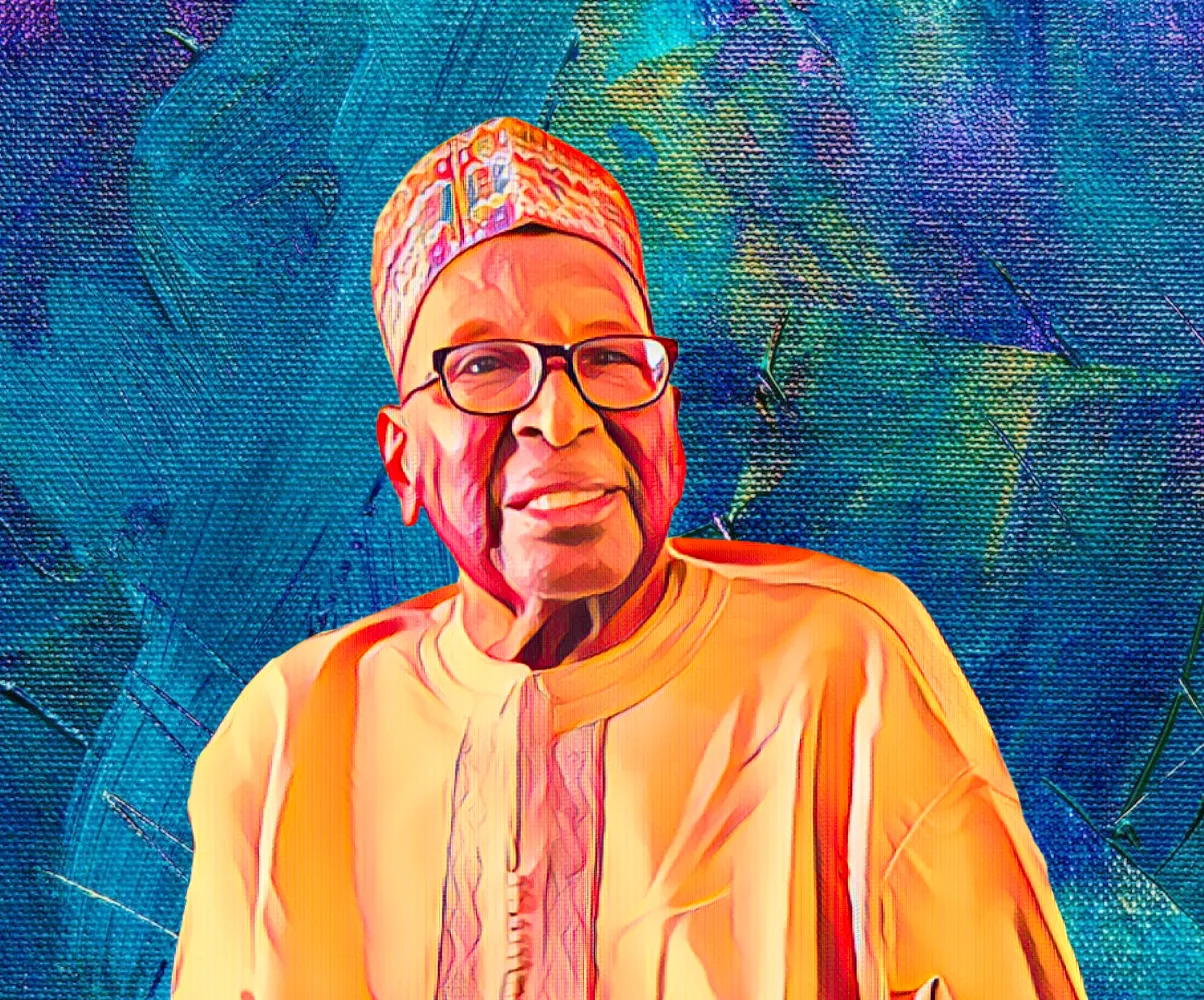
Mike Adenuga Jr. turns 73 on April 29, and the milestone arrives with the kind of understated weight that has defined his career. The chairman of Globacom and founder of Conoil Producing rarely sits for interviews, almost never courts the press, and still manages to remain one of the most consequential business figures Africa has produced in the last four decades.
Born in Ibadan in 1953 to a schoolteacher father and a trader mother, Adenuga moved between Nigeria and the United States for his education, picking up business administration degrees and, by many accounts, driving a taxi to cover his bills abroad. That blend of discipline and hustle would later harden into a reputation for calculated risk-taking that peers in Lagos and beyond still try to decode.
Globacom's 2003 launch is the moment most people point to when they talk about Adenuga's imprint on the country. Nigeria's mobile market was young, prices were punishing, and airtime came in fat minute-long chunks, the kind of pricing that drained wallets fast. Globacom rolled in with per-second billing, and the rest of the industry had to scramble. Within weeks, competitors were rewriting tariffs. Within a few years, mobile phones had moved from status symbols to basic tools for traders, farmers and students.
The company did not stop at billing. Glo-1, the submarine cable Adenuga bankrolled, gave Nigeria its first wholly owned link to Europe's internet backbone and helped push broadband costs down across West Africa. It was a bet the multinationals saw no reason to make. He made it anyway.
Twelve years before Globacom, Conoil Producing hit commercial oil in 1991, making Adenuga the first Nigerian entrepreneur to pull that off in a sector that foreign majors had long ruled. The discovery cracked open a space that indigenous operators now occupy in numbers, and it gave the country a template for local ownership of strategic resources.
The Mike Adenuga Foundation handles the philanthropy, quietly. Scholarships, hospital support and community projects move through it with little fanfare, a posture that matches the man. Friends say he prefers the work to the credit, and the foundation's footprint across education and health in Nigeria backs that up.
His companies now employ thousands, and Globacom's sponsorships have kept local football, music and film in front of bigger audiences than sponsors typically bother with. Analysts rarely tally that cultural spend next to the balance sheet, but it has shaped how Nigerian creativity travels.
At 73, Adenuga is still active in both telecom and upstream oil, still pushing capital into infrastructure and still steering clear of the spotlight. Colleagues expect that posture to hold. The nickname that follows him around business circles, the Spirit of Africa, captures the paradox neatly. He is everywhere in the economy and almost nowhere in the press.
The intelligence satisfies curiosity. The paid briefings satisfy strategy.
Every Monday, Elite subscribers receive an Investor Memo breaking down the deal, the structure and the positioning behind the week's most consequential African wealth story - the kind of analysis that doesn't appear anywhere else.
Twice a month, a Wealth Intelligence brief profiles a single billionaire's holdings, cash flows and expansion pipeline in detail no public source matches.
→ Executive ($25/mo): Daily newsletter + Deep-Dive Reports
→ Elite ($75/mo): Everything above + Investor Memos + Wealth Intelligence + Quarterly Analyst Briefings
Subscribe now