

Table of Contents
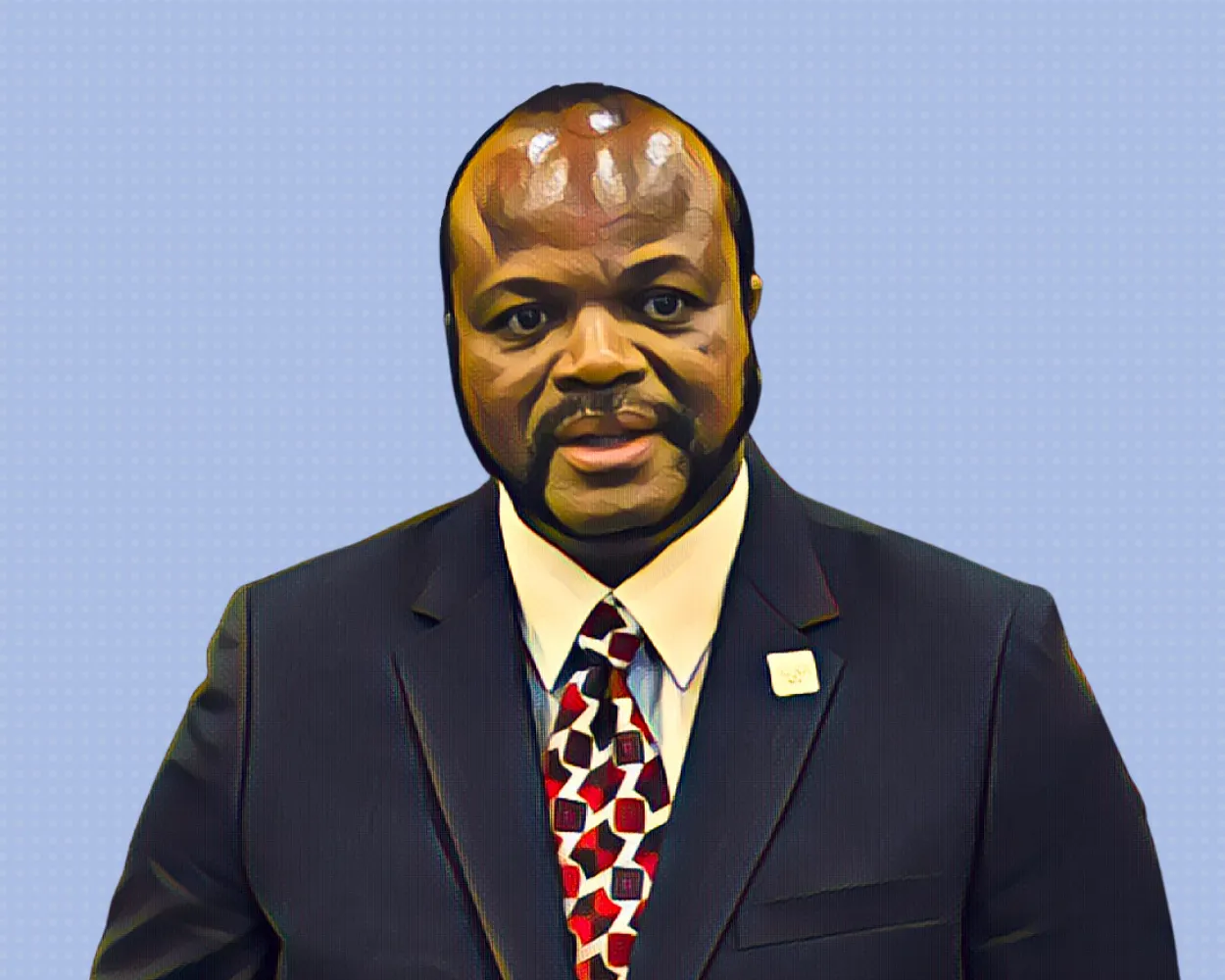
King Mswati III of Eswatini this week marks 40 years as Africa's last absolute monarch, and the celebrations at Lozitha Palace are arriving on schedule: dignitaries, gifts and a state machinery working hard to frame the occasion as something worth commemorating. What is harder to package for the occasion is the story of Tibiyo Taka Ngwane, the sovereign wealth fund that sits at the heart of how royal power translates into economic control in a country where more than 60% of the population lives below the poverty line.
Tibiyo Taka Ngwane means "Wealth of the Nation" in siSwati. The name is the most ironic phrase in Eswatini's public life.
The fund was established in 1968 by royal charter under King Sobhuza II, Mswati's father, at the moment of the country's independence. Sobhuza created it with a specific stated purpose: to hold shares in the country's major industries in trust for the Swazi people, to empower ordinary citizens and to assist the government in developing the country. The fund would be the nation's long-term savings vehicle, its stake in its own productive economy, a mechanism for broad-based wealth-sharing.
What it became is something else entirely.
Tibiyo operates without parliamentary scrutiny. It pays no tax. It has no democratic oversight. The king holds it as trustee, which in a system with no separation of powers means the king holds it as controller. The late Mario Masuku, one of Eswatini's most enduring pro-democracy advocates, described it plainly before his death as a "feedlot for the king and his inner circle." Opposition figures have accused Mswati of using it to bolster his personal income since at least 2011. The fund's own annual reports are not subject to public accountability the way state entities in functioning democracies would be.
What Tibiyo actually owns
The scale of the portfolio is not trivial. Tibiyo holds approximately 30 interests across sugar, coal, beverages, dairy, media, property, financial services and tourism. It is the biggest employer in Eswatini outside the government itself.
Its most significant asset is the Royal Eswatini Sugar Corporation, in which Tibiyo holds a 53.1% majority stake. RESC is listed on the Eswatini Stock Exchange and is one of the largest corporate entities in the country. It manages more than 21,000 hectares of irrigated sugarcane, operates 2 sugar mills with a combined throughput of 780 tonnes per hour, produces more than 430,000 tonnes of sugar in a normal season and employs 3,500 people including seasonal workers. It also produces a significant volume of ethanol. South African company TSB Sugar International, a subsidiary of RCL Foods, holds the second largest stake at 26.3%.
Tibiyo also holds 40% of Ubombo Sugar Limited, the country's oldest miller-cum-grower, alongside 60% owned by Illovo Sugar Africa, a subsidiary of Associated British Foods. Ubombo produces approximately 200,000 tonnes of raw and refined sugar per year. On top of these equity stakes, Tibiyo owns the Sivunga Sugar Project outright: 4 farms totalling approximately 2,600 hectares, 100% under irrigation, managed by Ubombo Sugar. It also owns the Sihhoye Sugar Project, approximately 165 hectares of irrigated cane delivered to the Mhlume Sugar Mill.
Dalcrue Agricultural Holdings, incorporated in 1999 and wholly owned by Tibiyo, consolidates the fund's direct farming operations across dairy production, livestock, sugarcane, milling, crop production and forestry plantations. Shiselweni Forestry runs Dalcrue's forest operations across 68,745 hectares. It is a land holding of considerable commercial value.
Outside agriculture, Tibiyo holds stakes in Eswatini Beverages Limited, a joint venture with SABMiller for the production and distribution of beer and traditional beverages. It holds shares in Lactalis Eswatini for dairy manufacturing and processing, and in Coca-Cola Beverages Eswatini, which produces soft drink concentrate for 60 bottling companies across 20 African nations. It has interests in Maloma Colliery, which mines anthracite coal primarily for the South African metallurgical market.
In financial services, Tibiyo holds stakes in Alexander Forbes and Fincorp, the country's microfinance institution. In property, it holds shares in Simunye Plaza and Bhuna Mall. In hospitality, it runs Tibiyo Leisure Resorts, trading as Royal Villas. It owns Swazi Spa Holdings, a publicly listed tourism and hospitality company.
And then there is the press. Eswatini Observer (Pty) Ltd, established in 1981, is wholly owned by Tibiyo. It publishes both the Eswatini Observer and the Weekend Observer, the two most widely distributed newspapers in a country where the king's fund owns the newspapers, which means the newspapers that cover the king are controlled by the king.
The gap between the fund's name and its function
As the Mail and Guardian noted on April 22, the pattern across Tibiyo's portfolio reflects a broader economic architecture that serves a narrow elite. Sugarcane has long been described as "Swazi gold," but the structural benefits of that gold are concentrated in large corporate holdings, not in the smallholder farmers who live around the estates. The dual land tenure system, which divides the country between commercially productive Title Deed Land and Swazi Nation Land where ordinary citizens farm without title or security, has never been meaningfully reformed. The IMF has recommended land tenure reform repeatedly. The government has declined to act.
The argument critics make is not complicated. A sovereign wealth fund that pays no tax, answers to no legislature and is held in trust by a man who faces no electoral accountability is not functioning as a national savings vehicle. It is functioning as a family office. The distinction matters when 60% of the population lives in poverty while the national wealth fund enriches the institution that controls it.
King Sobhuza II's 1968 vision was for Tibiyo to be a foundation for broad-based Swazi prosperity. Forty years into his son's reign, ordinary Swazis derive what Masuku called crumbs from its investments. The rest flows upward, to the institution that holds the fund, the fund that holds the assets and the king who holds it all in trust for a nation that has no mechanism to hold him accountable in return.
That is the economic ledger behind the celebrations at Lozitha Palace this week.
The intelligence satisfies curiosity. The paid briefings satisfy strategy.
Every Monday, Elite subscribers receive an Investor Memo breaking down the deal, the structure and the positioning behind the week's most consequential African wealth story - the kind of analysis that doesn't appear anywhere else.
Twice a month, a Wealth Intelligence brief profiles a single billionaire's holdings, cash flows and expansion pipeline in detail no public source matches.
→ Executive ($25/mo): Daily newsletter + Deep-Dive Reports
→ Elite ($75/mo): Everything above + Investor Memos + Wealth Intelligence + Quarterly Analyst Briefings
Subscribe now