


Table of Contents
Anyone thinking about buying Telecel Zimbabwe needs to read the fine print first. The Zimbabwe Independent laid out this week exactly what an acquisition would mean in practice, and the picture involves a thicket of competing ownership claims, legacy debts, and unresolved legal disputes that would land on the desk of whoever signs the deal.
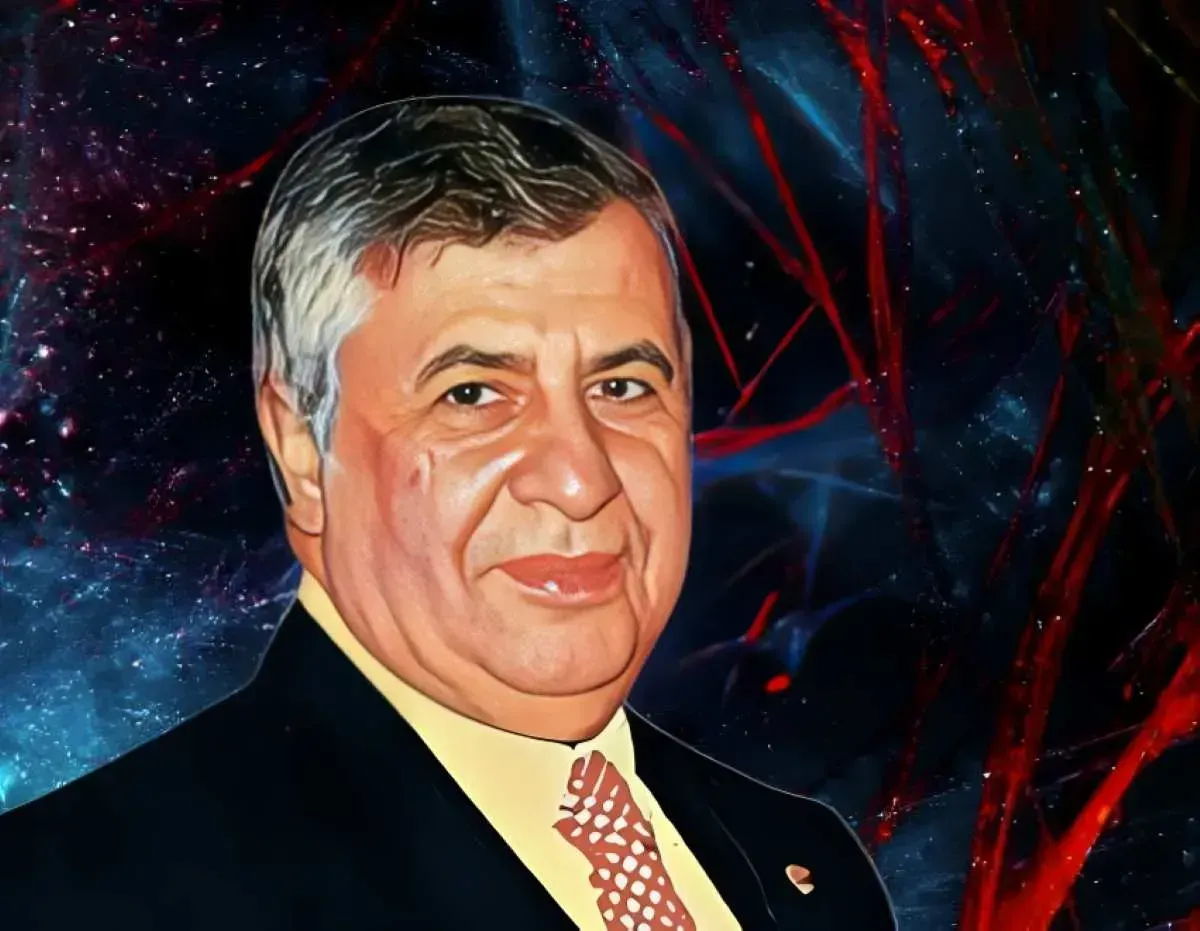
James Makamba, one of Zimbabwe's most prominent businessmen, holds a stake in the company through Kestrel Corporation, his investment vehicle. He is among a set of shareholders whose interests are intertwined with the telecom's uncertain ownership history, including claims involving Jane Mutasa and others connected to the company through various historical transactions.
Telecel has been one of Zimbabwe's three main mobile network operators but has operated for years in a contested legal and regulatory environment. Its ownership has shifted through multiple transactions and court orders, leaving behind a structure where the question of who truly controls the company is not always straightforward to answer. The government of Zimbabwe holds an interest through the state-linked entity ZARNET, adding a further layer of complexity to any potential transaction.
Makamba's career has tracked the arc of Zimbabwe's post-independence business class. He built his initial business interests in media and entertainment, acquiring radio stations and other broadcast assets during a period when the government was liberalising the country's airwaves. He later expanded into other sectors, including mining and property, and became closely associated with the political and business circles around former President Robert Mugabe, a proximity that later became a complication when Zimbabwe's political landscape shifted.
He faced legal difficulties in Zimbabwe in the mid-2000s related to foreign currency violations and subsequently spent more than a decade in self-imposed exile before returning after the 2017 political transition. Since his return to active business, he has maintained a profile in Zimbabwe's private sector through Kestrel and related entities.
Telecel Zimbabwe's spectrum licenses and subscriber base represent genuine assets for any buyer willing to work through the ownership complications. The Independent's analysis suggests the price of entry would include taking on those complications directly, negotiating with multiple competing claimants and potentially managing ongoing litigation. In Zimbabwe's telecom market, where Econet Wireless, controlled by Strive Masiyiwa, dominates with a commanding market share lead, Telecel has struggled to compete at scale, making the value proposition for a buyer dependent largely on the underlying spectrum and infrastructure rather than the subscriber momentum.
The intelligence satisfies curiosity. The paid briefings satisfy strategy.
Every Monday, Elite subscribers receive an Investor Memo breaking down the deal, the structure and the positioning behind the week's most consequential African wealth story - the kind of analysis that doesn't appear anywhere else.
Twice a month, a Wealth Intelligence brief profiles a single billionaire's holdings, cash flows and expansion pipeline in detail no public source matches.
→ Executive ($25/mo): Daily newsletter + Deep-Dive Reports
→ Elite ($75/mo): Everything above + Investor Memos + Wealth Intelligence + Quarterly Analyst Briefings
Subscribe now