

Table of Contents
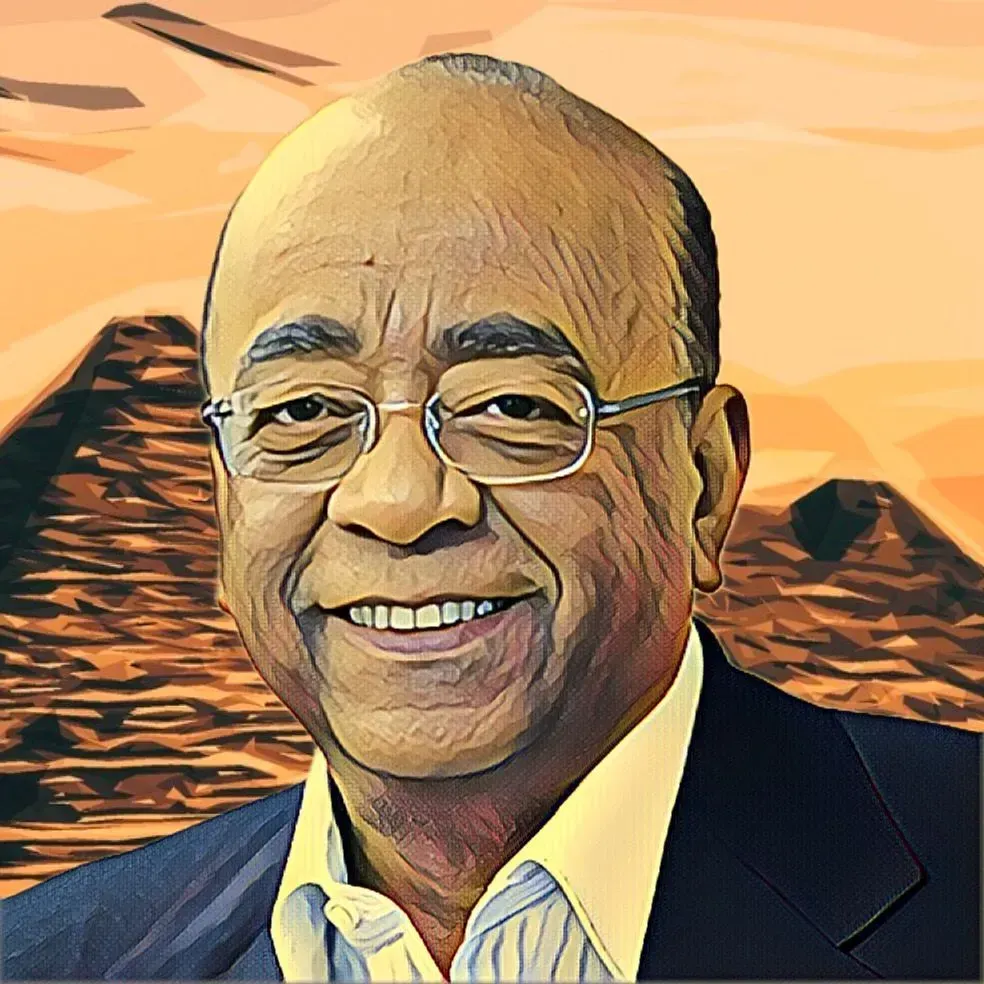
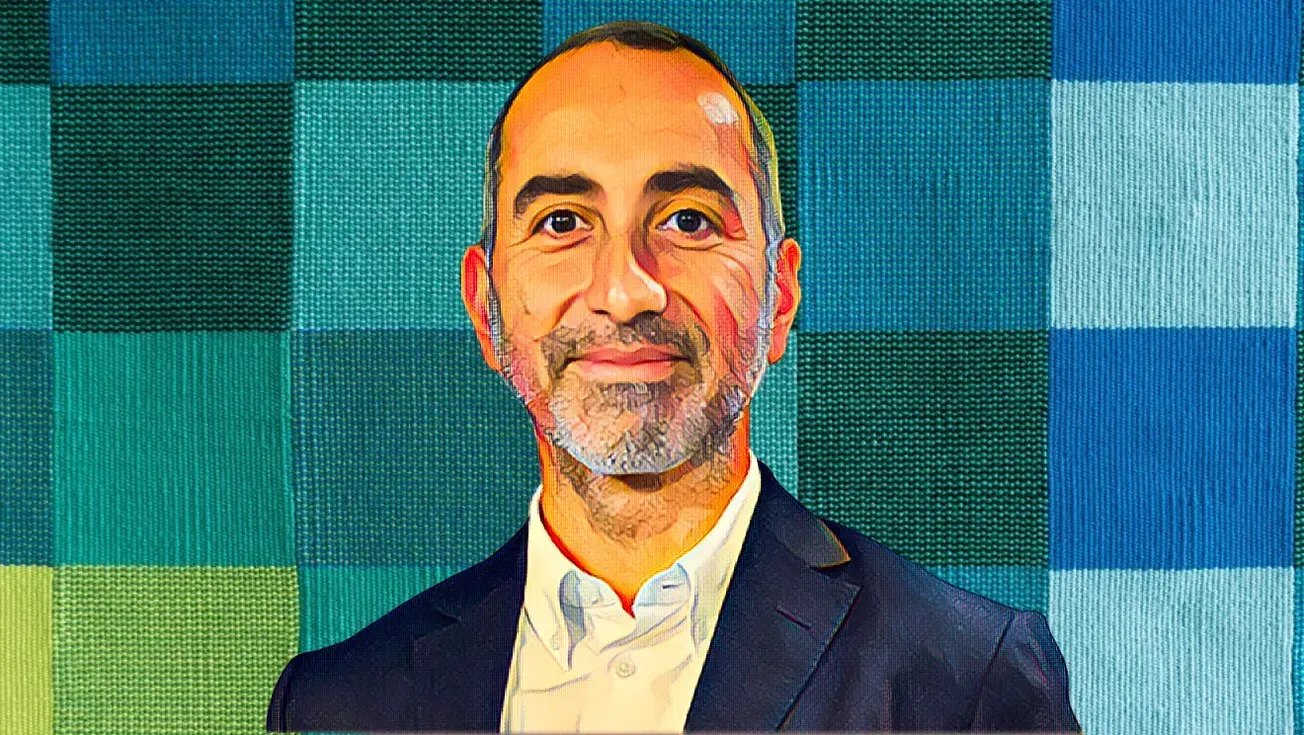
Madagascar's wealthiest man, Ylias Akbaraly, says the country's deepening political crisis is pushing investors away, delivering a verdict that carries significant commercial weight given the breadth of his own exposure to the island nation's economy.
"The situation makes everyone very frightened in Madagascar," Akbaraly told BFM Business presenter Hedwige Chevrillon recently, in what was his most direct public statement on the crisis since the political transition began. He described a business environment that has become extremely difficult to navigate, with uncertainty about the direction of the government and the country's relationship with its international partners creating a climate in which new investment decisions are being suspended rather than made.
The context makes the statement significant. Madagascar has been in political turmoil since October 2025, when protests forced out President Andry Rajoelina, who had held power since 2019. The country is now governed by interim leader Michael Randrianirina, who has been navigating between competing international interests while attempting to establish a transition roadmap. That roadmap, published in February 2026, calls for national consultations, a new constitution and a presidential election by the end of 2027.
The France-Madagascar relationship has deteriorated sharply. In late April, Malagasy authorities summoned French Ambassador Arnaud Guillois before declaring an embassy staff member persona non grata over alleged involvement in destabilisation activities. France rejected the accusations, calling the claims false. Days later, Madagascar detained a French former serviceman, Guy Baret, alongside a Malagasy army officer over what authorities described as a conspiracy to destabilise the country. France denied any official connection to the detained individuals.
The expulsion and the detention landed against a backdrop of wider geopolitical realignment. Since taking power, Randrianirina has moved toward Russia, visiting Moscow and receiving Russian military instructors who arrived to train local forces on Moscow-supplied equipment including kamikaze drones. The delegation was led by a deputy Russian military intelligence chief with ties to the Africa Corps, the successor to the Wagner Group. Madagascar is now the latest in a series of former French-aligned African states, following Mali, Burkina Faso and Niger, to shift its security orientation toward Moscow.
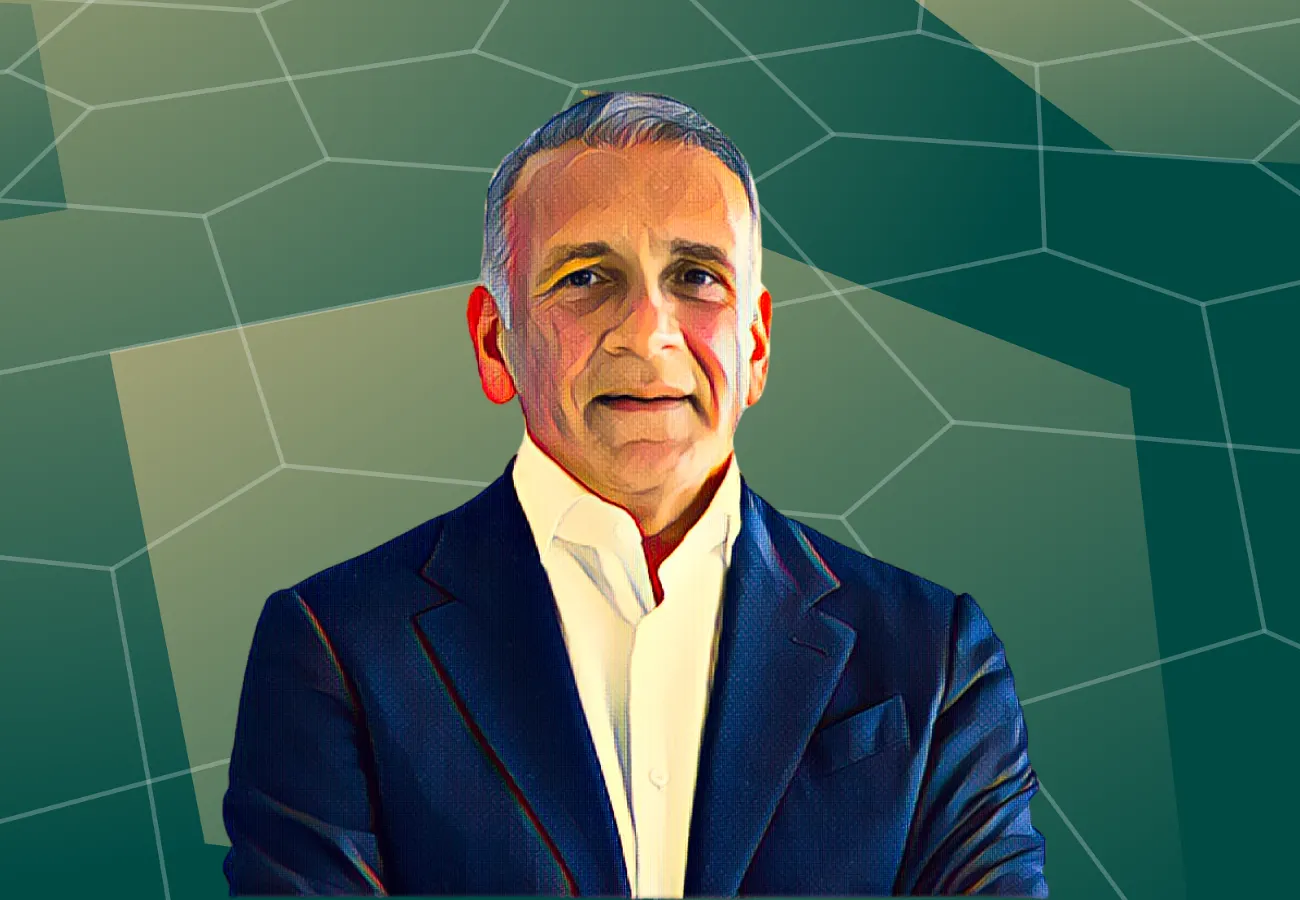
Not everyone is pulling back. Pan-African billionaire Benedict Peters, through his mining vehicle Bravura, has been moving in the opposite direction. Under a deal signed in December 2025 with the Malagasy government, Bravura deployed three sensor-equipped aircraft capable of detecting resources up to three kilometres below the earth's surface to conduct an aerial mineral survey across the island. Peters offered the data to the Malagasy state at no cost, an arrangement that trades upfront expense for first-mover positioning in one of the least-explored mineral geologies in Africa.
Akbaraly's concerns are not abstract. His Redland holding group spans finance, real estate, energy, technology, broadcasting, industry, tourism and aviation across Madagascar and internationally. He also controls Thomson Broadcast, a Paris-based broadcast equipment manufacturer with global operations. He has spent decades as the most prominent private investor in Madagascar and has been closely watched as a barometer of business confidence on the island.
His BFM Business interview came in the same week that Fayard published his new book, titled "Y Croire," a 200-page account of his rise from a modest childhood in Majunga, Madagascar, to the head of a continental fortune. Forbes ranks him as Madagascar's richest man and places him among the five wealthiest individuals in Francophone sub-Saharan Africa.
Amnesty International has separately warned that Madagascar's authorities are using arrests and detentions to create a climate of fear that is silencing dissent. Protests have continued in Antananarivo. The capital is not calm. And the country's richest man is telling the world's business press that the situation is making everyone frightened.
The intelligence satisfies curiosity. The paid briefings satisfy strategy.
Every Monday, Elite subscribers receive an Investor Memo breaking down the deal, the structure and the positioning behind the week's most consequential African wealth story - the kind of analysis that doesn't appear anywhere else.
Twice a month, a Wealth Intelligence brief profiles a single billionaire's holdings, cash flows and expansion pipeline in detail no public source matches.
→ Executive ($25/mo): Daily newsletter + Deep-Dive Reports
→ Elite ($75/mo): Everything above + Investor Memos + Wealth Intelligence + Quarterly Analyst Briefings
Subscribe now