

Table of Contents
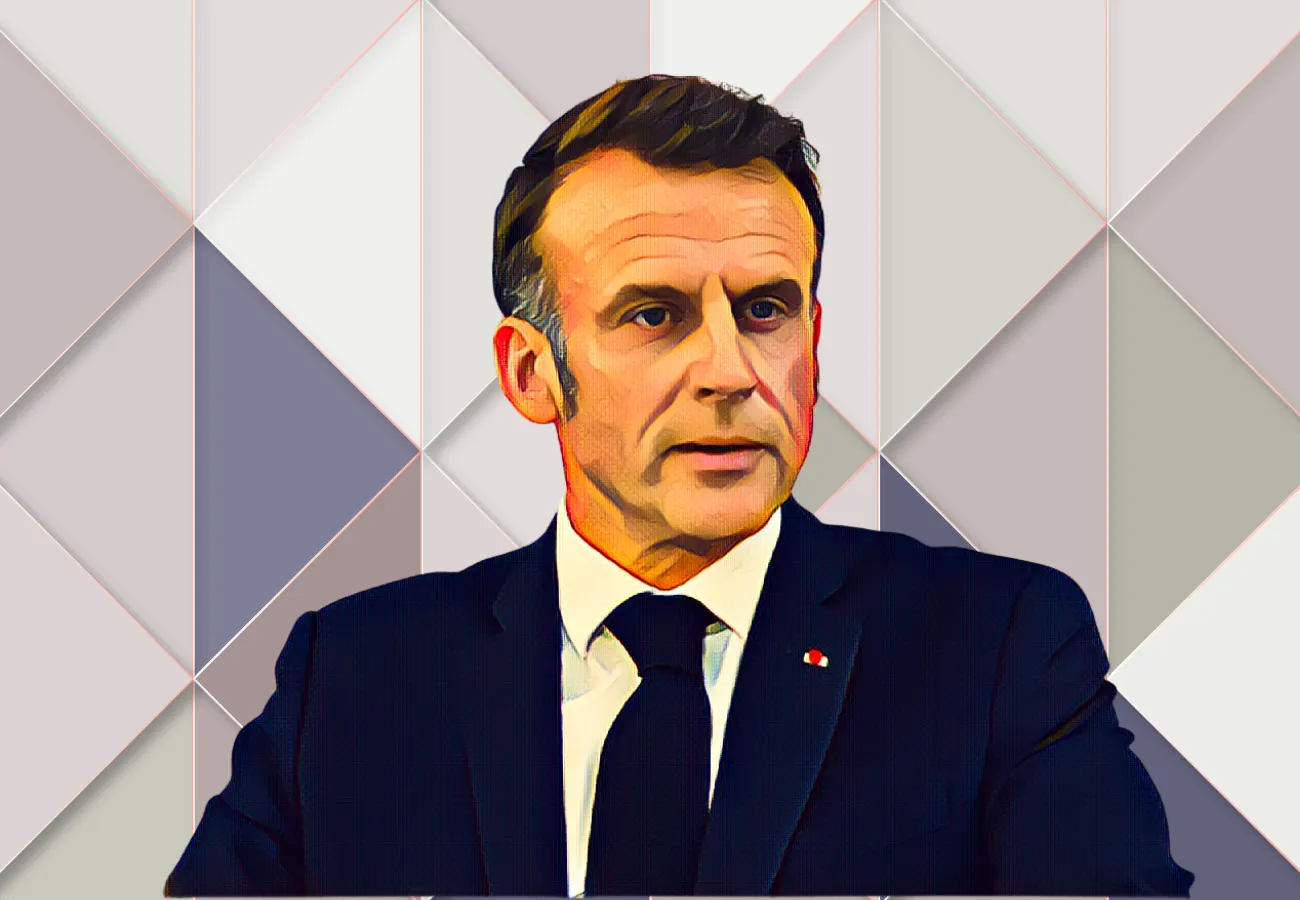
Emmanuel Macron came to Nairobi with a number and a message. The number was $27 billion. The message was that France is done pretending aid is enough.
The French president announced €23 billion ($27 billion) in combined investment commitments at the Africa Forward Summit at the Kenyatta International Convention Centre in Nairobi on May 12, co-hosted with Kenyan President William Ruto. The package breaks down as €14 billion ($16.4 billion) from French private and public companies and €9 billion ($10.5 billion) from African investors and entrepreneurs, directed at energy transition, agriculture and artificial intelligence. Macron said the investments would create 250,000 jobs across France and Africa.
The summit, the first France has held in an English-speaking African country, drew leaders from more than 30 nations, including Francophone states. Aliko Dangote attended, as did executives from TotalEnergies, Orange and CMA CGM. The French shipping giant committed €700 million ($820 million) toward the modernization of a terminal at the Kenyan port of Mombasa, one of the most concrete project-level announcements of the two-day event.
Macron was deliberate about the framing. The days of France offering assistance, he told the assembled heads of state, are behind it. "I'd like to focus on co-investment," he said. He called for African business leaders to invest in France in return, describing a relationship now "entirely free of hang-ups" and built on common objectives. "Sovereignty and autonomy is shared, and your success is our success," he said.
Ruto matched the tone. "We should no longer think in terms of aid and loans, but rather in terms of investment and what Africa has to offer," he said. Kenya signed a bilateral agreement with France on digital infrastructure and connectivity on the summit's sidelines.
The political subtext was impossible to ignore. France has lost ground rapidly in Africa, most visibly in the Sahel, where its military forces have been expelled from Mali, Burkina Faso and Niger in quick succession. A month before the Nairobi summit, approximately 800 French soldiers arrived in Kenya on a navy ship, a visible repositioning of French military engagement toward East Africa as its West African presence collapses.
Macron addressed the colonial history question in remarks to Paris-based magazine The Africa Report ahead of the summit. "We must not exonerate from all responsibility the seven decades that followed independence," he said, calling on African leaders to take accountability for governance failures alongside acknowledging the legacy of colonialism. At the summit itself, he said the process of returning African artworks looted during the colonial era had become "unstoppable," following France's parliament passing a law last week to enable their restitution.
The $27 billion headline figure comes with important context. France's official development assistance budget has faced five consecutive cuts in less than two years, with parliament approving €3.5 billion ($4.1 billion) in payment appropriations for 2026, down 18% from 2025 levels. Total French development aid is projected to fall to 0.38% of gross national income in 2026, well below the 0.7% target France set in 2021 and has since effectively abandoned. The investment commitments announced in Nairobi are largely private sector pledges rather than public funding, which shifts both the credit and the execution risk away from the French state.
France and Africa currently generate €64 billion ($75 billion) in annual trade, with French direct investment stock in Africa standing at €50 billion ($58.6 billion). French subsidiaries support approximately one million jobs across the continent. Macron is betting that a summit built around co-investment rather than development assistance can reverse the reputational damage France has accumulated across a generation of relationships that African governments have increasingly chosen to exit.
The intelligence satisfies curiosity. The paid briefings satisfy strategy.
Every Monday, Elite subscribers receive an Investor Memo breaking down the deal, the structure and the positioning behind the week's most consequential African wealth story - the kind of analysis that doesn't appear anywhere else.
Twice a month, a Wealth Intelligence brief profiles a single billionaire's holdings, cash flows and expansion pipeline in detail no public source matches.
→ Executive ($25/mo): Daily newsletter + Deep-Dive Reports
→ Elite ($75/mo): Everything above + Investor Memos + Wealth Intelligence + Quarterly Analyst Briefings
Subscribe now