

Table of Contents
Six years after President Yoweri Kaguta Museveni commissioned it with fanfare, Amina Moghe Hersi's Atiak Sugar Factory in Amuru District has produced no sugar in years, and Uganda's parliament has run out of diplomatic language to describe the situation.
The factory, owned 60 percent by Horyal Investment Holding Company Limited, Moghe Hersi's vehicle, and 40 percent by the Ugandan government through the Uganda Development Corporation, has been the subject of sustained parliamentary criticism throughout the 2025/26 budget cycle. In March, State Minister for Industries David Bahati told lawmakers that production would begin in September 2026, describing the government's latest capital injection of UGX 37.9 billion, approximately $10.08 million, toward irrigation infrastructure as the intervention that would finally stabilise sugarcane supply.
Opposition Leader Joel Ssenyonyi was not impressed. "As sure as day follows night, it is not going to happen, because every year they keep promising us," he said on the floor of parliament. He questioned why Uganda keeps appropriating public money into what he described as a private business with unclear returns for taxpayers. "Who is this Atiak person that we have got to keep giving them money?" he asked.
The Monitor's own investigation, published May 15, suggests Ssenyonyi may have a point. Sources familiar with the factory's operations told the newspaper that the September 2026 dry test run and the April 2027 full production target are both at risk because the quantity of sugarcane available on the plantation is insufficient to sustain commercial operations. "As per the early 2025 plan, testing the plant was scheduled to be done in September this year before kicking off full-scale production in April 2027, but that will not work because the canes are not there," one source said.
The numbers behind the criticism are striking. The government has invested approximately UGX 553.7 billion, or $147.2 million, through UDC, while Horyal has contributed UGX 164 billion, roughly $43.6 million, of its own capital. A further UGX 100 billion, approximately $26.6 million, has been earmarked in the 2026/27 budget for additional UDC injection. Total public and private investment in the project is approaching UGX 768.7 billion, or $204.3 million. In exchange, Uganda has received years of delayed timelines, fire-related plantation losses, sugarcane supply crises and a factory that suspended production entirely in March 2022.
MP Ibrahim Ssemujju has been among the bluntest voices in parliament. "The Shs100 billion new allocation will bring total investment in this company to Shs768.710 billion," he said. "The proprietor Amina Moghe Hersi has invested Shs125 billion," roughly $33.2 million, "she has 60 percent stake in the company and Uganda has 40 percent." The arithmetic as Ssemujju framed it means Uganda has contributed the overwhelming majority of capital to a project where a private investor holds the majority ownership stake.
The factory's history of setbacks is extensive. Multiple fire incidents between 2016 and 2021 destroyed hundreds of acres of plantation each time. The worst came in late 2021 when fire wiped out approximately 60 percent of the standing crop, forcing full production suspension the following March. Sugarcane was subsequently trucked in from the Busoga sub-region at government expense, a logistical fix that cost UGX 16 billion, about $4.25 million, in transport subsidies, with Horyal contributing UGX 10 billion, or $2.66 million. That was never intended as a permanent solution. Horyal's management later concluded that without a consistent, proximate cane supply, the factory could not operate sustainably.
The irrigation system the government is now funding is meant to solve that problem by enabling year-round cane cultivation independent of rainfall. Bahati told parliament its completion would allow the factory to run in September. The Monitor's sources say the canes needed to run the factory in September do not yet exist in sufficient quantity regardless of irrigation status.
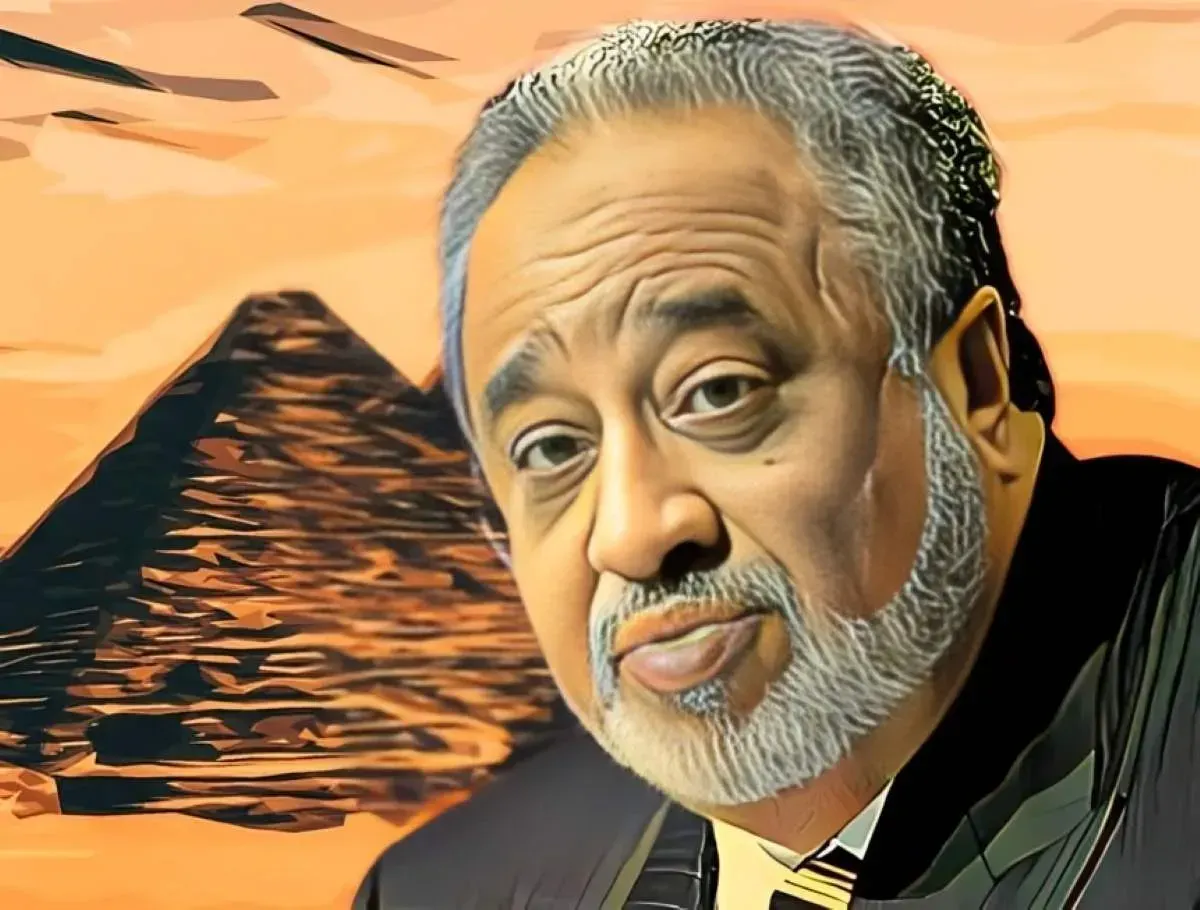
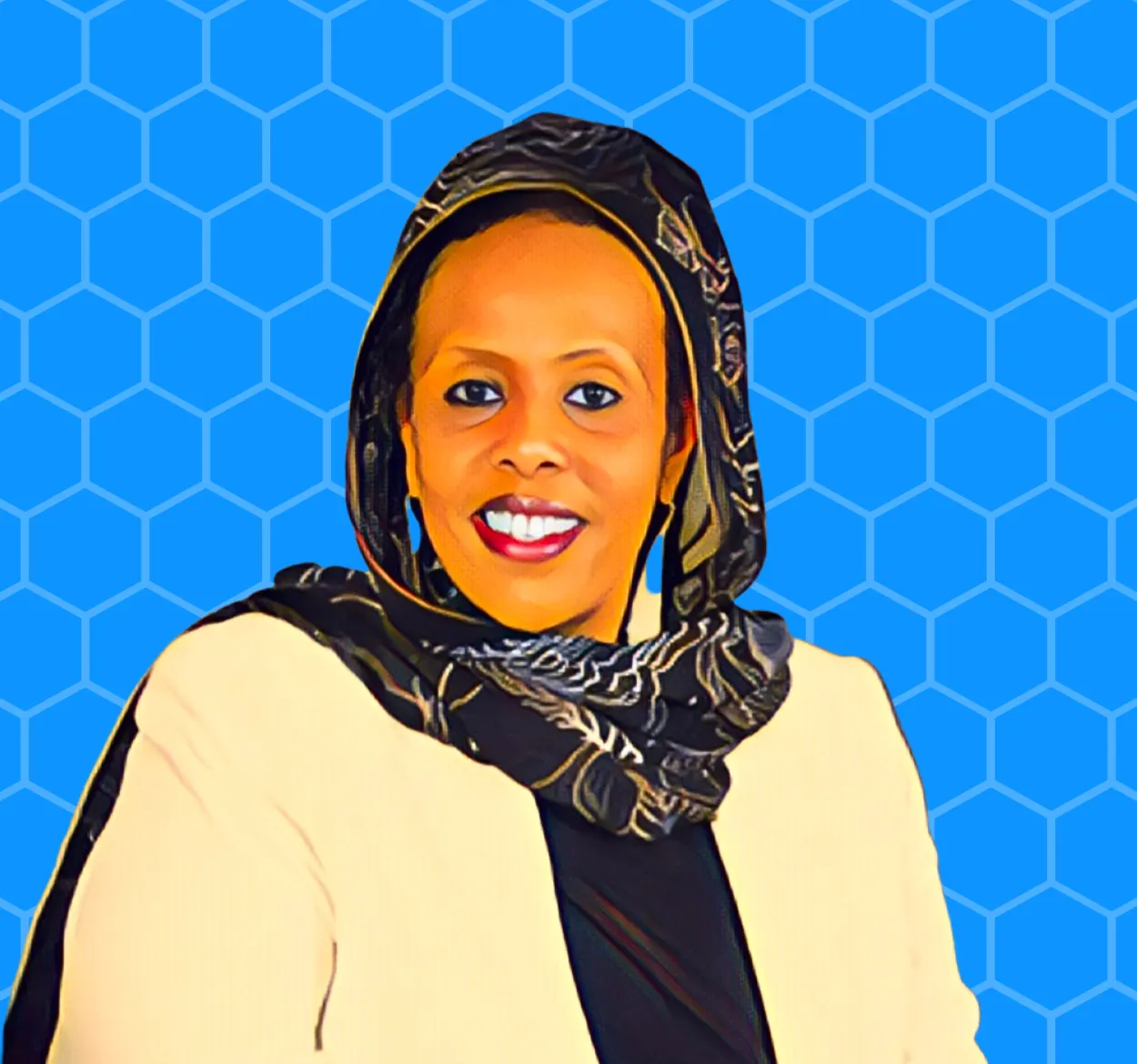
Moghe Hersi is a Kenyan-Somali businesswoman who built Horyal Investment Holding Company into a diversified Ugandan conglomerate spanning agriculture, logistics and other sectors. She operates the factory alongside her son Mohamoud Abdi Ahmed, who serves as director for agriculture and planning. Her team has previously attributed the factory's repeated shutdowns to events outside their control, including fires, government procurement delays on equipment, and the logistical challenges of establishing large-scale cane cultivation in a region that spent two decades recovering from LRA conflict.
Parliament had approved UGX 108 billion, about $28.7 million, during the 2022/23 financial year to establish an irrigation system and procure machinery. Years later, the factory's management says irrigation is still being completed.
Kilak North MP Anthony Akol, who chairs the Acholi Parliamentary Group, asked for patience, attributing earlier delays to sugarcane shortages and the time needed to build outgrower networks. He acknowledged that residents of Amuru are also tired. "What Ugandans want to see is the sugar," he said.
The Atiak Sugar Factory was designed to produce 66,000 tonnes of sugar annually, create 1,500 direct jobs, and support up to 15,000 outgrower farmers across Amuru and Lamwo districts. Northern Uganda, which spent two decades under the shadow of LRA insurgency, was meant to receive an economic anchor. The factory's delays have become, in parliament's words, a litmus test for whether Uganda's public-private partnership model can deliver on its promises in the region that most needs it to succeed.
The test, at $204 million and counting, is still failing.
The intelligence satisfies curiosity. The paid briefings satisfy strategy.
Every Monday, Elite subscribers receive an Investor Memo breaking down the deal, the structure and the positioning behind the week's most consequential African wealth story - the kind of analysis that doesn't appear anywhere else.
Twice a month, a Wealth Intelligence brief profiles a single billionaire's holdings, cash flows and expansion pipeline in detail no public source matches.
→ Executive ($25/mo): Daily newsletter + Deep-Dive Reports
→ Elite ($75/mo): Everything above + Investor Memos + Wealth Intelligence + Quarterly Analyst Briefings
Subscribe now