


Table of Contents
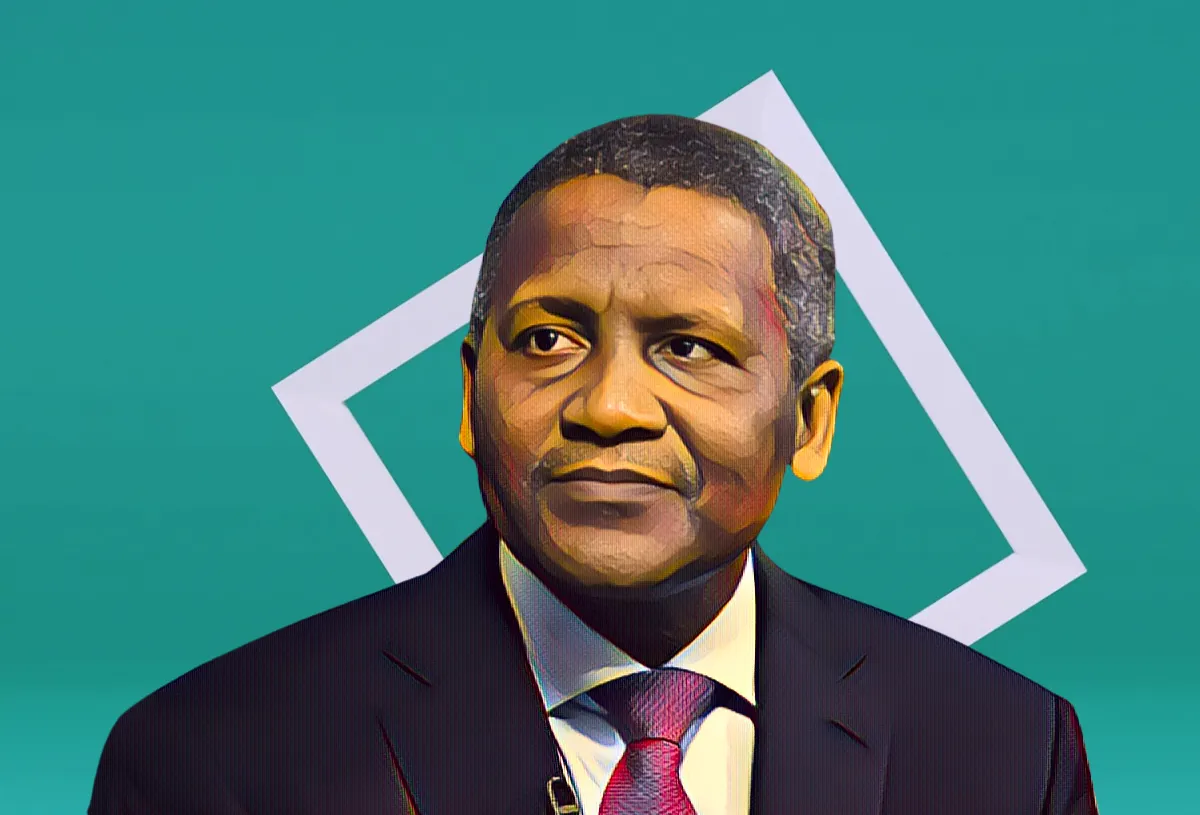
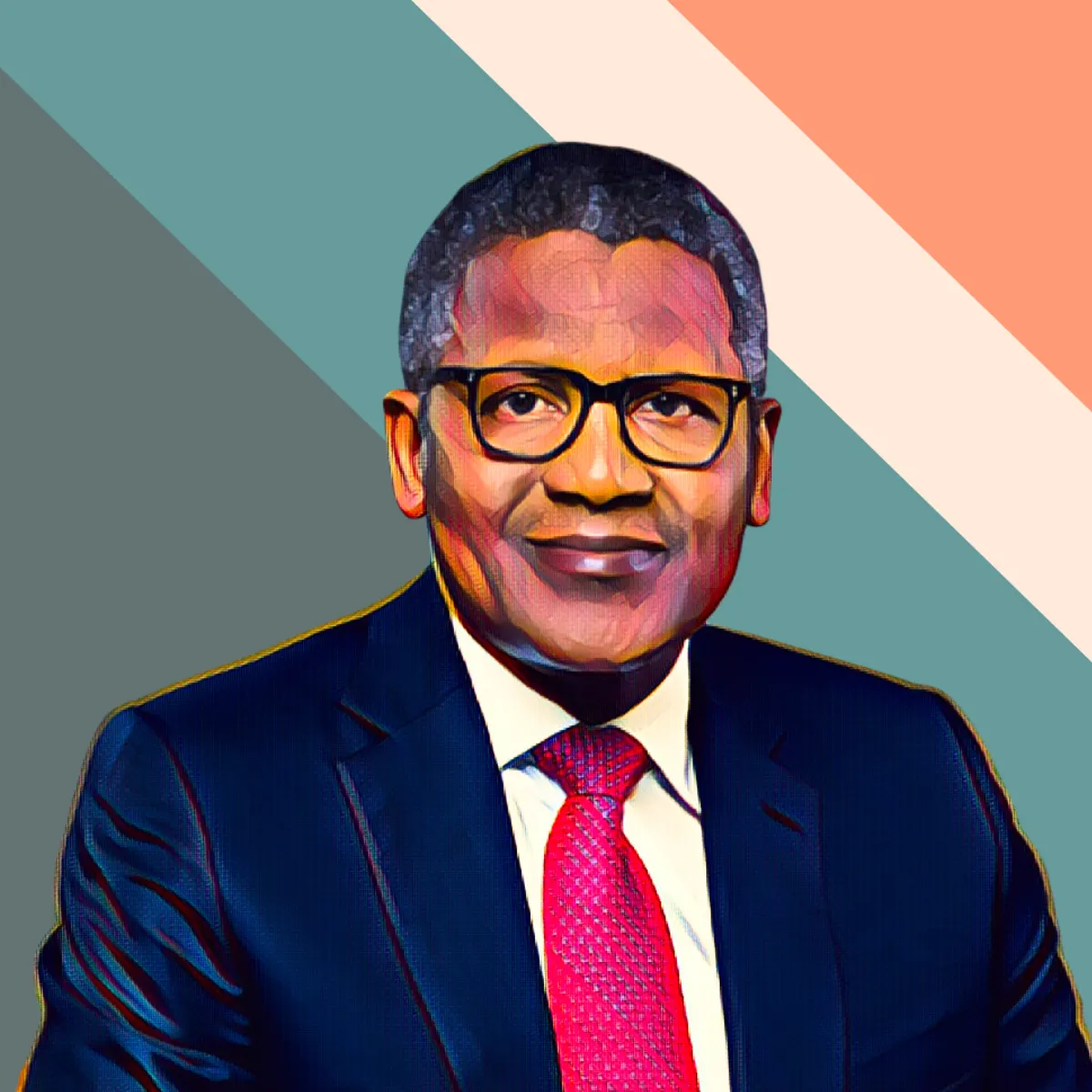
Tanzanian President Samia Suluhu Hassan met Aliko Dangote at the State House in Dar es Salaam on Saturday, May 16, in a conversation her government framed as a discussion of the billionaire's existing investments in the country, but which arrived at a diplomatically awkward moment: six days after Dangote told the Financial Times he was leaning toward Mombasa, Kenya, rather than Tanga, Tanzania, for his proposed $15 billion to $17 billion East African refinery.
"I have met and held discussions with the Founder and Owner of the Dangote Group, Alhaji Aliko Dangote, together with his delegation," Suluhu said in a statement released through Tanzania's State House. She praised his cement operations in the Mtwara region, describing Dangote as one of Tanzania's major investors whose factory boosts the economy through trade, employment and the development of the construction sector. The statement said nothing about the refinery.
The meeting came at the end of a tense fortnight for Tanzania's position on the project. It began on April 28 at the Africa We Build Summit in Nairobi, where Kenyan President William Ruto, alongside Uganda's President Yoweri Museveni and Dangote, announced plans for a joint regional refinery to be located in Tanga. Suluhu was not at the summit and, by her own account, was not consulted before the announcement was made.
When Ruto arrived in Tanzania for a state visit on May 4, Suluhu confronted him about it publicly, in Kiswahili, in front of cameras. "While we were speaking inside, I pressed Ruto and asked him: you went ahead and announced a refinery in Tanga. Why was I not aware?" she said. "He will explain, himself, why he made that announcement." Ruto, caught off guard, acknowledged he had primarily discussed the proposal with Museveni rather than Suluhu, and told the Tanzanian audience they were lucky to be considered. "The good people of Tanzania, you are lucky that we are discussing having a refinery in Tanga," he said. "I hope Tanzania is also willing to invest."
Six days after that exchange, Dangote effectively resolved the location question by removing Tanzania from contention. In his May 10 Financial Times interview, he said he was leaning more toward Mombasa because it has a much larger, deeper port, a critical infrastructure requirement for a facility designed to receive very large crude carriers processing 650,000 barrels per day. He also noted that Kenyans consume more, identifying Kenya as the larger and more commercially attractive market for refined products. The Tanga proposal, which had only entered the public domain through Ruto's April 28 announcement, effectively collapsed within two weeks of its debut.
The refinery project has been generating intense regional interest precisely because East Africa currently imports virtually every litre of refined petroleum it consumes, almost entirely from the Middle East, and that dependence has become more costly and more fragile in 2026 as disruptions linked to the US-Iran conflict have rippled through global shipping routes and spiked fuel prices across the continent.
Dangote's proposed East African facility would mirror his 650,000 barrel per day Lekki refinery in Lagos, which has been supplying approximately 80 percent of Nigeria's domestic petrol demand since reaching near-full operational capacity in early 2026. He has described the East African project as costing between $15 billion and $17 billion and has indicated he wants regional governments to co-invest alongside his group.
Tanzania is not without its own leverage in the regional energy calculus. The East African Crude Oil Pipeline, connecting Uganda's Hoima oil fields to the port of Chongoleani in Tanga, is being finalised and is expected to begin commercial operations later this year. Uganda's crude production, projected at approximately 230,000 barrels per day, will flow through Tanzanian territory under that arrangement. Whether that pipeline position gives Suluhu a meaningful card to play in the refinery conversation, or whether Mombasa's port infrastructure simply makes the economic case for Kenya too strong to overcome, will become clearer as Dangote's site selection process advances.
The May 16 State House meeting gave Suluhu a direct line to Dangote that she did not have when Ruto made his Nairobi announcement. What she did with that line, and what Dangote said about whether Tanga remains a viable alternative or a closed question, was not disclosed in the public readout.
The intelligence satisfies curiosity. The paid briefings satisfy strategy.
Every Monday, Elite subscribers receive an Investor Memo breaking down the deal, the structure and the positioning behind the week's most consequential African wealth story - the kind of analysis that doesn't appear anywhere else.
Twice a month, a Wealth Intelligence brief profiles a single billionaire's holdings, cash flows and expansion pipeline in detail no public source matches.
→ Executive ($25/mo): Daily newsletter + Deep-Dive Reports
→ Elite ($75/mo): Everything above + Investor Memos + Wealth Intelligence + Quarterly Analyst Briefings
Subscribe now