

Table of Contents
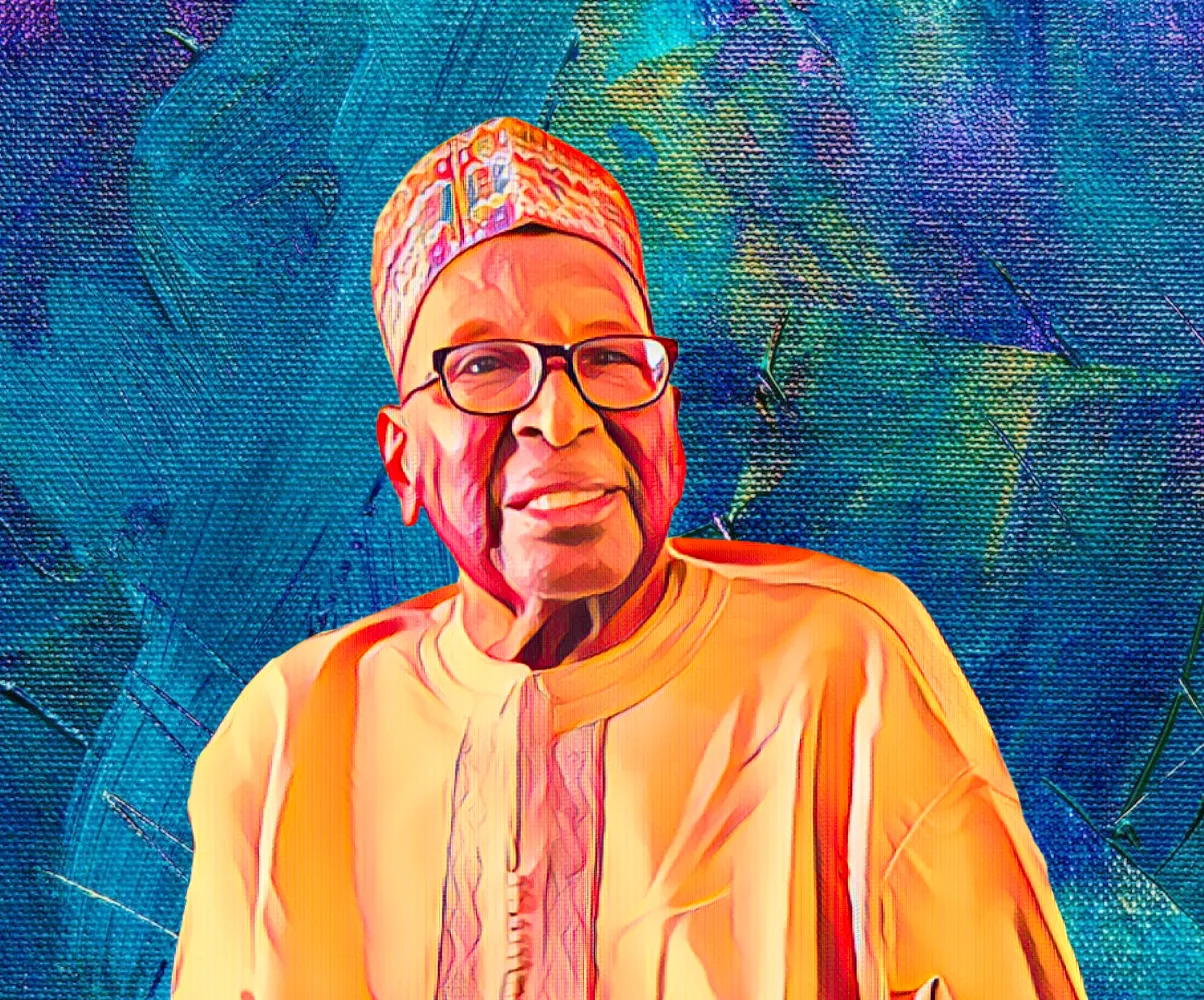
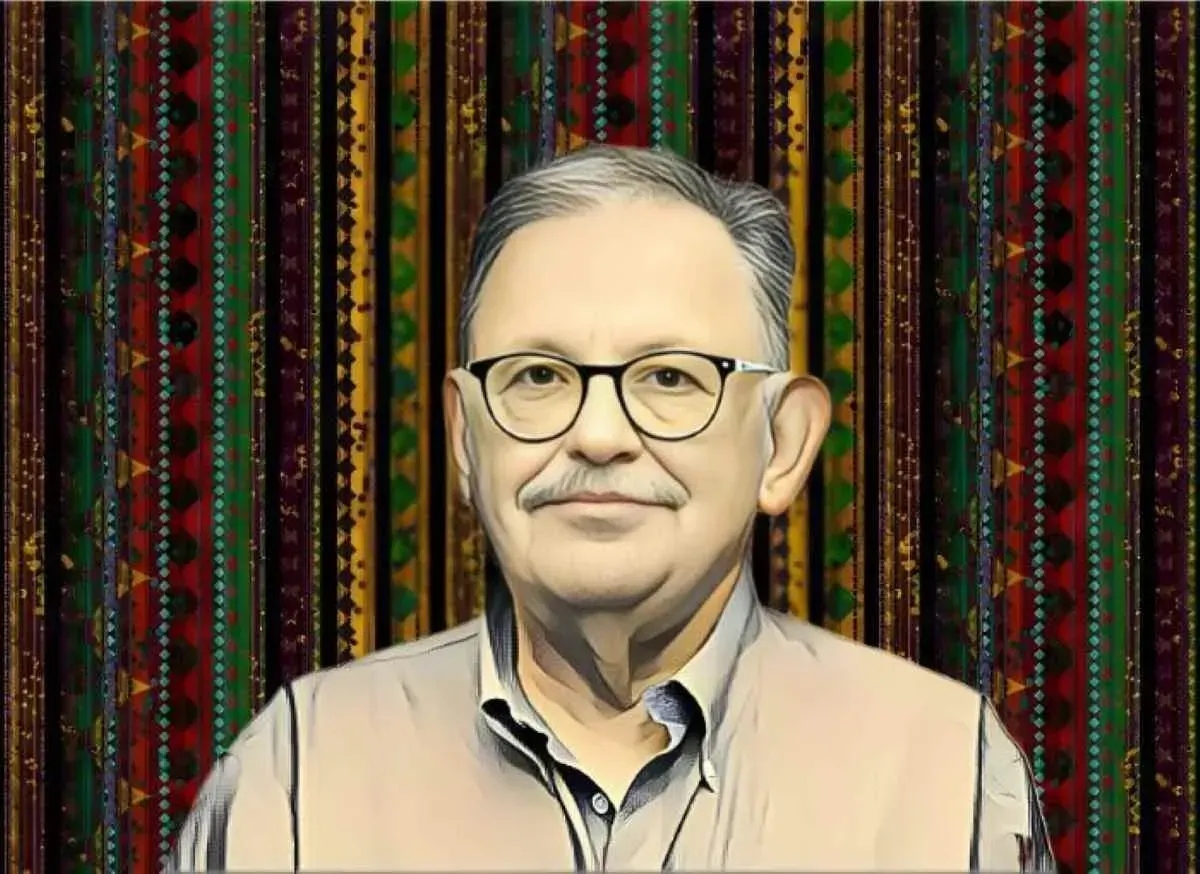
Ivan Saltzman's Dis-Chem Pharmacies has been pulled into a social media firestorm it did not start, after a clash between shareholder Mark Saltzman and journalist Redi Tlhabi over Palestine-related posts sent boycott calls cascading across South African social media.
The dispute, reported by News24 on Monday, began when Mark Saltzman, a shareholder in the Saltzman family's pharmacy group, and Tlhabi, a prominent South African broadcaster and journalist, clashed publicly online. The exchange centred on Tlhabi's pro-Palestine views and allegations about her earnings. The confrontation drew immediate and intense public reaction, with users calling on South Africans to stop shopping at Dis-Chem as a form of protest against the Saltzman family's perceived political stance on the Israel-Gaza conflict.
Dis-Chem responded swiftly, issuing a statement on Monday distancing the company from the remarks. The pharmacy chain said the comments made by the shareholder in a personal capacity did not represent the company's views or values, and that Dis-Chem as an organisation was not aligned with any political position.
The response did not fully contain the reaction. By Monday afternoon, the hashtag demanding a Dis-Chem boycott was trending on X in South Africa, drawing in voices from across the political and civic spectrum. South Africa's public debate on Israel and Palestine has been shaped significantly by the country's own history of apartheid and its government's decision to take Israel to the International Court of Justice in 2024, positions that carry deep emotional weight for large parts of the population.
Ivan Saltzman founded Dis-Chem in 1978 with his wife Lynette out of a single pharmacy in Bryanston, Johannesburg. The chain has grown into one of South Africa's largest pharmacy retailers, with more than 280 stores, a loyalty programme with millions of members and a listing on the Johannesburg Stock Exchange. The Saltzman family retains a significant ownership stake and Ivan Saltzman serves as group CEO. The company's revenue for the financial year ended February 2025 was approximately R35 billion.
This is not the first time Dis-Chem has faced public pressure related to the Israel-Palestine conflict. In 2014, the South African Jewish Report published correspondence between a community activist and Ivan Saltzman directly over the chain's stocking of Israeli goods, in which Saltzman defended the company's commercial relationships. That letter circulated again on social media following Monday's controversy.
The renewed pressure arrives as Dis-Chem is in the middle of a strategic expansion into primary healthcare. The group has been investing in new store formats and health hub infrastructure, positioning itself as an integrated health services provider rather than a pharmacy chain. That expansion has drawn institutional investor interest and raised the commercial stakes of any reputational turbulence. Whether the boycott call translates into meaningful revenue impact will depend on how widely it is adopted and how quickly the controversy moves through the news cycle.
The intelligence satisfies curiosity. The paid briefings satisfy strategy.
Every Monday, Elite subscribers receive an Investor Memo breaking down the deal, the structure and the positioning behind the week's most consequential African wealth story - the kind of analysis that doesn't appear anywhere else.
Twice a month, a Wealth Intelligence brief profiles a single billionaire's holdings, cash flows and expansion pipeline in detail no public source matches.
→ Executive ($25/mo): Daily newsletter + Deep-Dive Reports
→ Elite ($75/mo): Everything above + Investor Memos + Wealth Intelligence + Quarterly Analyst Briefings
Subscribe now