

Table of Contents
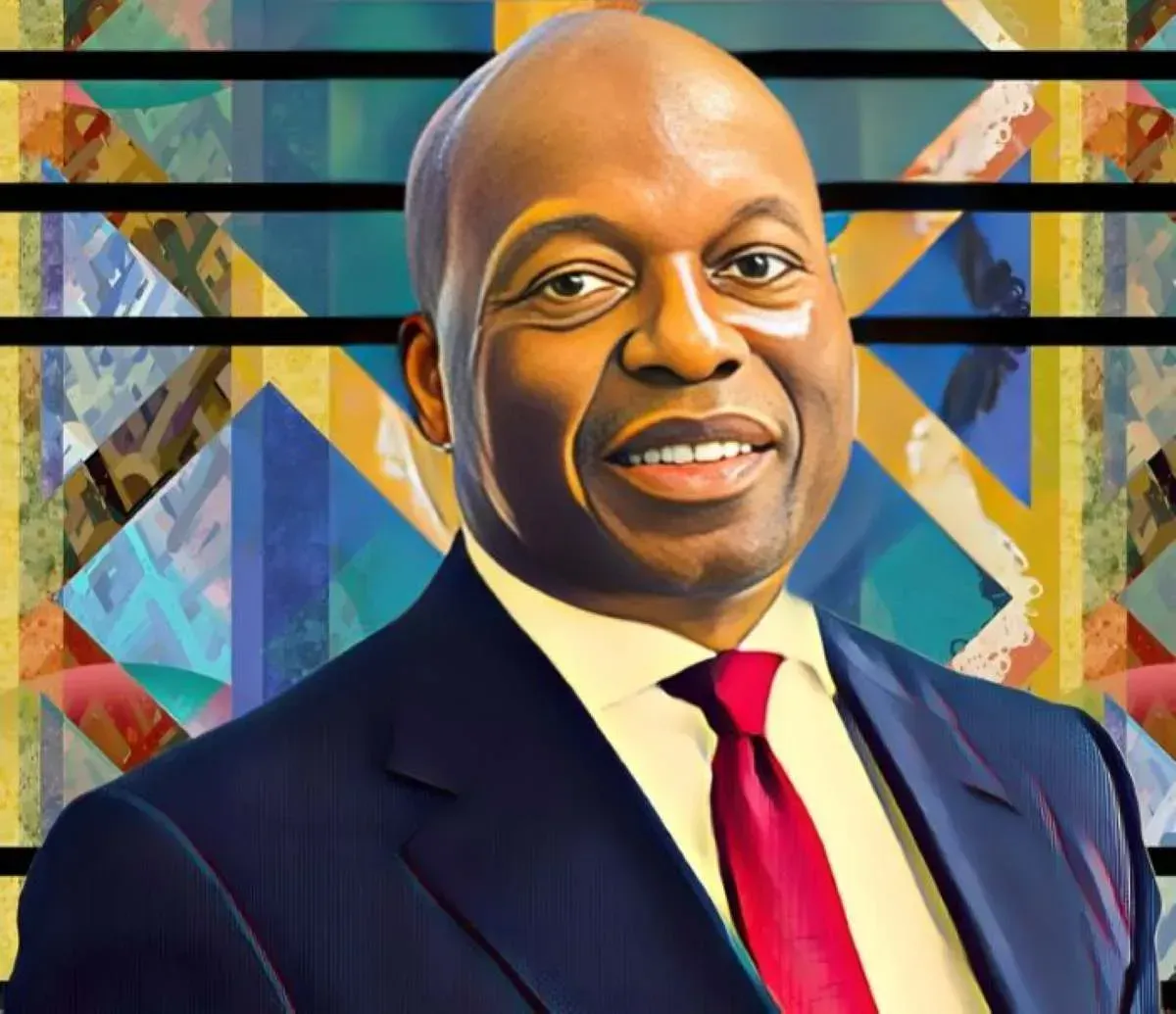
Wale Tinubu has a word for how Africa has been financing its own development, and the word is not working. The Oando Group chief executive used a recent Reuters interview to make the argument plainly: Africa cannot keep outsourcing its financial future to European banks and international institutions that are retreating from hydrocarbon exposure, and it needs to organize its own capital at scale before someone else captures the value that belongs on the continent.
In the Reuters interview, Tinubu set out more than a financing strategy. He outlined a structural shift in how Africa must think about funding its future. As Oando advances plans to raise about $750 million for an extensive drilling campaign that could significantly increase production, the conversation extends beyond capital availability to the changing nature of that capital and the implications for Africa's long-term energy security.
The context behind his argument is specific and immediate. European banks, once central to financing African hydrocarbons, have stepped back in response to evolving climate mandates and shifting risk priorities, creating a gap increasingly filled by alternative sources of funding including Gulf institutions and private capital. That gap is an opportunity if Africa moves quickly, and a structural problem if it waits for external actors to fill it.
His answer is to organise Africa's own pools of long-term capital, particularly pension funds, which have historically been parked in low-risk instruments rather than deployed into infrastructure and energy. The Africa Finance Corporation's 2026 infrastructure report noted that pension and insurance assets in Africa have surpassed one trillion US dollars for the first time. The money exists. The alignment framework does not.
Tinubu highlighted the role already being played by African financial institutions such as Afreximbank and the AFC, which have demonstrated that African capital, when organised at scale, can support trade, infrastructure and industrial development across the continent. He argued that indigenous companies that have taken over assets previously held by international oil companies, including Oando, Seplat and Renaissance, represent a meaningful shift in local ownership. But that ownership must extend to financing if the full economic value of those assets is to remain on the continent.
The drilling campaign he is preparing to fund is a direct expression of the thesis. Oando acquired Eni's NAOC operations in 2024, adding a substantial package of onshore producing assets, pipeline infrastructure and gas operations. The company now aims to raise up to $750 million for a 100-well drilling programme that Tinubu told Reuters could increase production by as much as 300 percent. The US-Iran conflict, which has disrupted tanker routes through the Strait of Hormuz, has simultaneously lifted investor appetite for West African crude, improving the commercial timing of the raise.
Tinubu made similar arguments at the Africa CEO Forum in Kigali last week, appearing alongside other business leaders at a summit that drew 30 African heads of state and 2,800 delegates. He has long argued that Africa's barriers to its own development are not technical but institutional, pointing specifically to fragmented payment systems, restrictive visa regimes and shallow capital markets as constraints that policy choices could resolve.
Oando is also separately pursuing its first move into the Angolan upstream market, having signed a production sharing contract for Angola's Block KON-13, marking its entry into Angolan upstream oil.
The intelligence satisfies curiosity. The paid briefings satisfy strategy.
Every Monday, Elite subscribers receive an Investor Memo breaking down the deal, the structure and the positioning behind the week's most consequential African wealth story - the kind of analysis that doesn't appear anywhere else.
Twice a month, a Wealth Intelligence brief profiles a single billionaire's holdings, cash flows and expansion pipeline in detail no public source matches.
→ Executive ($25/mo): Daily newsletter + Deep-Dive Reports
→ Elite ($75/mo): Everything above + Investor Memos + Wealth Intelligence + Quarterly Analyst Briefings
Subscribe now