


Table of Contents
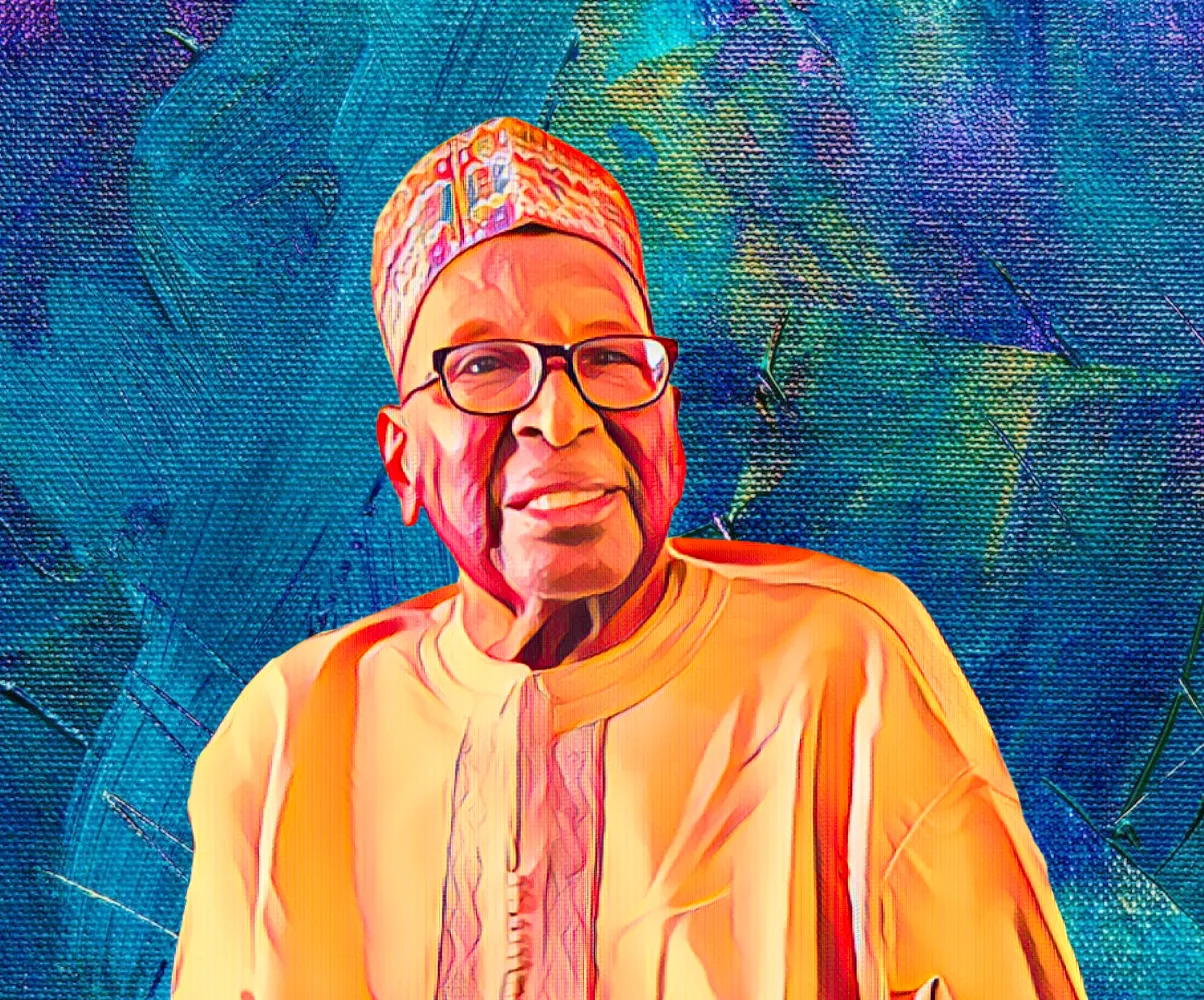
Baba Ahmadou Danpullo had been building his South African property empire for more than 35 years when First National Bank moved against him in early 2020. What followed was the most consequential financial dispute between a private African investor and a South African institution in recent memory, one that cost hundreds of workers their jobs, paralysed a major telecoms operator in Central Africa, drew in two African presidents and raised questions that no South African court has fully answered.
Danpullo arrived in South Africa decades ago from Cameroon, where he had built his fortune through the Ndawara Tea Estate, the largest privately owned tea plantation in West Africa. He extended that wealth southward into real estate, accumulating a portfolio of commercial properties across Johannesburg and Cape Town, including Marble Towers in Johannesburg, one of Africa's tallest buildings. The portfolio was managed through his Bestinver Group, which held the properties through three South African registered subsidiaries: Bestinver Company South Africa, Joburg Skyscraper Proprietary Limited and Bestinver Prop 01 Proprietary Limited.
In October 2017, he secured R615 million in loans from FNB across those entities. The largest single component was R520 million to acquire the 1 Thibault building in Cape Town. The agreed repayment structure was R10 million per month over ten years. A straightforward, long-term secured lending arrangement of the kind South African banks conduct with commercial property investors routinely.
By early 2020, something had changed on FNB's side.
According to Danpullo and his lawyers, FNB abruptly demanded the signing of additional guarantee documents and the immediate early repayment of the full outstanding balance, which stood at approximately R550 million in April 2020, with seven full years of scheduled repayments still remaining. Danpullo says he had been paying every month as agreed, that his companies were capable of continuing to pay, and that the demand for full early repayment was not provided for in the loan terms. He also says that when he sought to raise capital in Cameroon to meet FNB's suddenly accelerated demands, the bank refused to allow that route.
FNB proceeded to place all three property-holding companies into judicial liquidation. What followed was the disposal of a real estate portfolio that Danpullo values at approximately R4 billion to R5 billion, for the recovery of a debt of R520 million. Around 800 people who had been employed in those properties lost their jobs.
"South African justice, which I respect, has been misled by FNB, and it is not too late to do the right thing, because nowhere in the world assets of more than $235.4 million would be liquidated to recover the sum of $30.6 million," Danpullo said publicly in January 2023. "The liquidation was not justifiable because my companies were able to pay this sum of R520 million."
The numbers at the heart of his argument are striking. Danpullo's own lawyers noted that the sale of a single building from his portfolio would have generated sufficient proceeds to settle the entire outstanding debt. Instead, the bank pursued liquidation of the entire portfolio, a process that produced a combined realisation almost certainly far below what the assets would have achieved in a structured sale, a common outcome in forced liquidations where distressed pricing and rushed timelines depress values.
FNB declined to respond to detailed questions about the matter, citing client confidentiality.
South African courts dismissed several appeals filed by Bestinver and its associated entities, though not always on the merits. In one notable September 2021 ruling, a judge dismissed a challenge on the basis that the applicant, Danpullo's daughter Yasmina Baba, lacked locus standi after she initially presented herself as a shareholder before acknowledging she held only family ties to the Bestinver group. The dismissal on procedural grounds left the substantive questions about whether FNB's enforcement action was proportionate or conducted in good faith unanswered by any court.
The dispute crossed borders in September 2022. Danpullo obtained an order from the president of the Court of First Instance of Douala Bonanjo authorising the seizure of the Cameroonian bank accounts of MTN Cameroon, Chococam, a Tiger Brands subsidiary, Broadband Telecom and Mobile Money Corporation. He demanded 243 billion FCFA, more than $371 million, on the basis that those South African-linked companies were connected to the Public Investment Corporation, which holds a stake in FirstRand Bank, FNB's parent company.
The seizure was legally contested and commercially devastating. MTN Cameroon had closed 2022 without any fresh loans and with a healthy net cash position. By mid-2023, it was carrying a net debt of FCFA13 billion and had been forced to secure FCFA91.5 billion in emergency syndicated loans to maintain operations. South Africa's Ministry of International Relations issued a formal statement saying the developments would call into question South African interest in investing in Cameroon. MTN called the seizures abusive and unjustified and described them as a dangerous precedent for the Cameroonian business environment.
Presidents Paul Biya of Cameroon and Macky Sall of Senegal, at Danpullo's request, made representations on his behalf at the diplomatic level. The Cameroonian parliament debated the matter. The South African government's concern about the damage to bilateral commercial relations was formally stated.
Danpullo has described what happened to him as a racially motivated crusade. Whether that framing is accurate is a question South African courts have not been asked to address directly. What the verified record does show is that a Cameroonian investor who had built a significant property portfolio in South Africa over 35 years, who says he was meeting his monthly repayment obligations, had his entire portfolio liquidated by his bank at a time when seven years of contracted repayments were still outstanding, at a proportionality that even neutral observers found difficult to explain.
"FNB decided to ruin me," he said.
FNB has never publicly responded to that specific allegation.
The intelligence satisfies curiosity. The paid briefings satisfy strategy.
Every Monday, Elite subscribers receive an Investor Memo breaking down the deal, the structure and the positioning behind the week's most consequential African wealth story - the kind of analysis that doesn't appear anywhere else.
Twice a month, a Wealth Intelligence brief profiles a single billionaire's holdings, cash flows and expansion pipeline in detail no public source matches.
→ Executive ($25/mo): Daily newsletter + Deep-Dive Reports
→ Elite ($75/mo): Everything above + Investor Memos + Wealth Intelligence + Quarterly Analyst Briefings
Subscribe now