

Table of Contents
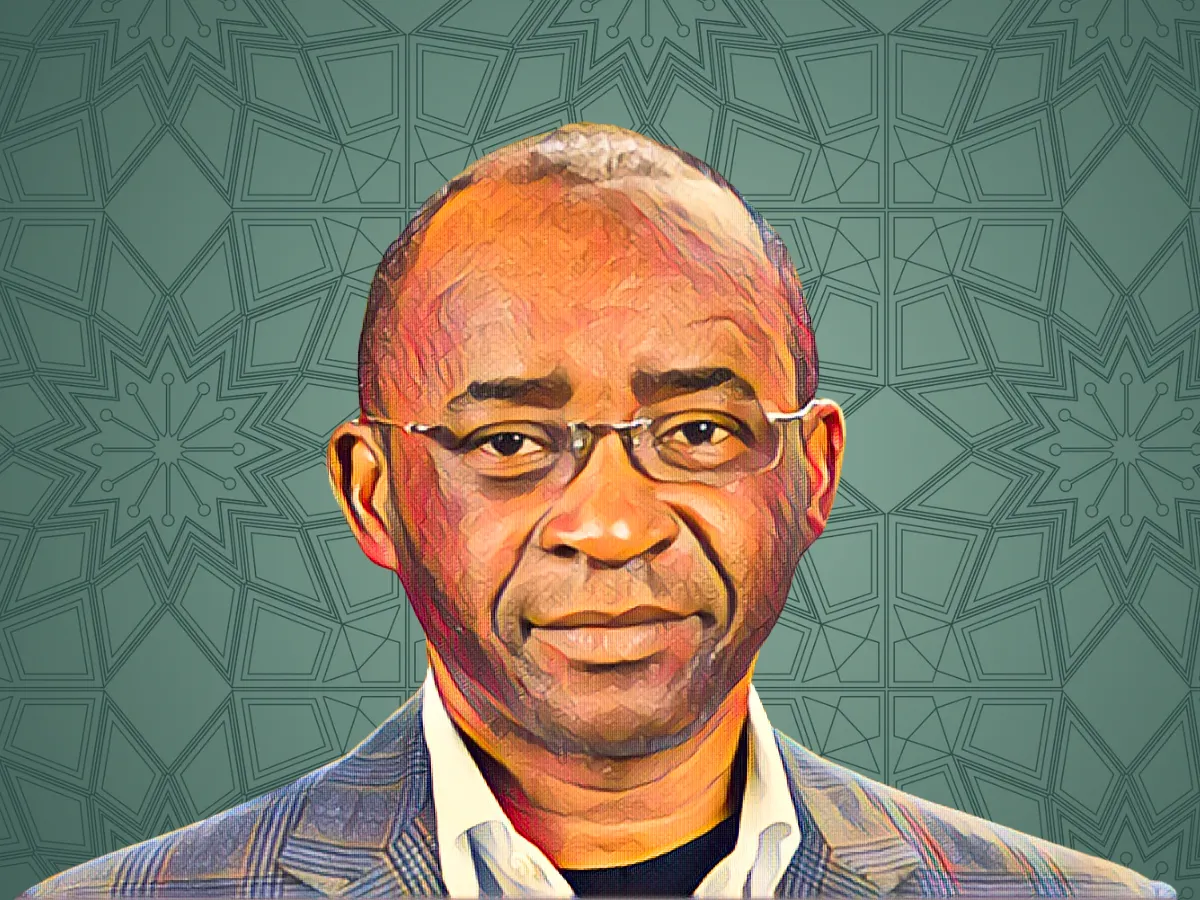
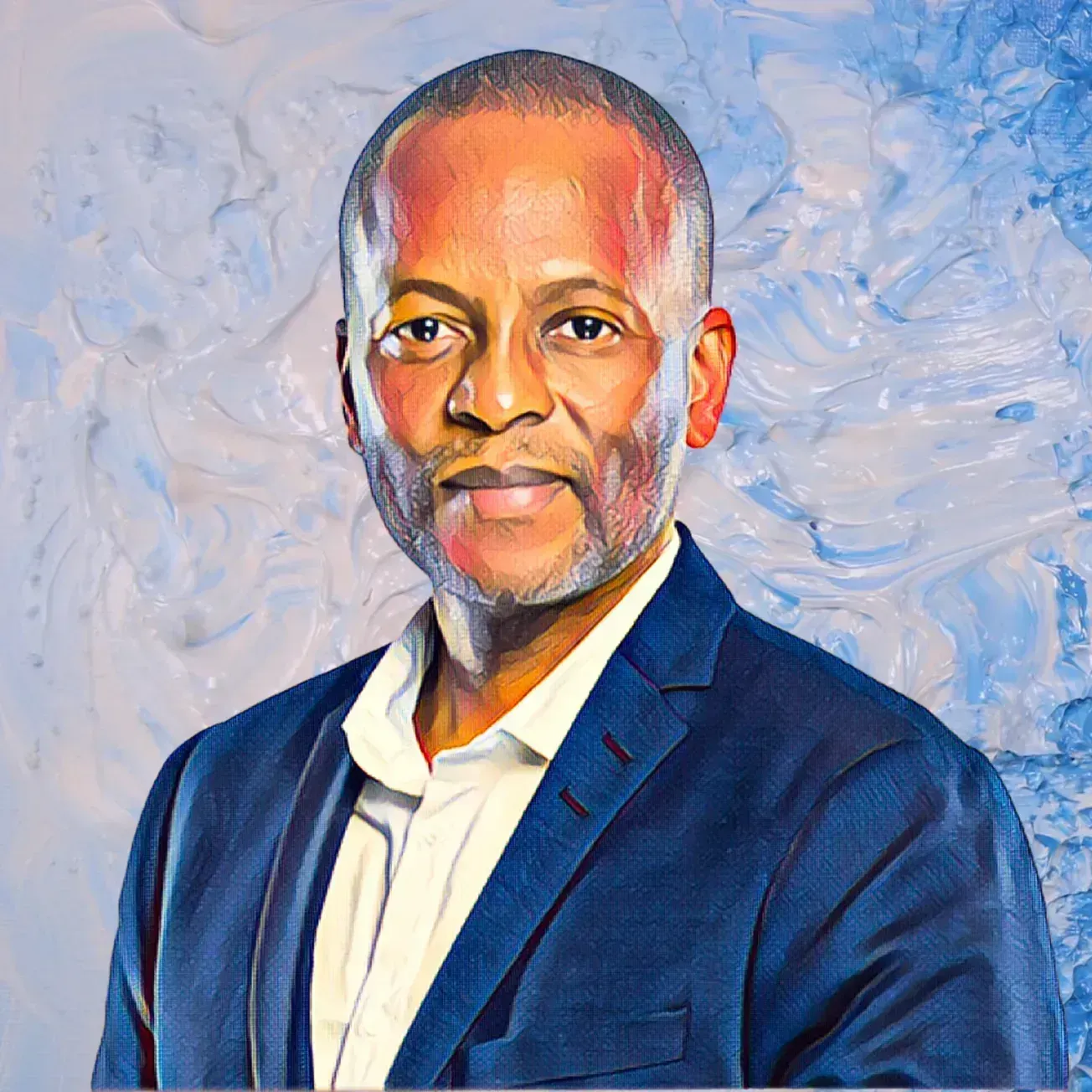
There is a particular kind of businessman that South Africa produces in small numbers: the kind who spent years being told the system was not built for him and responded by building his own. Sandile Donald Muziwenkosi Zungu is that kind of businessman. He grew up in Umlazi Township in Durban, one of apartheid's most deliberately disadvantaged urban environments, and emerged from it carrying two things that would define everything that followed: an engineering degree from the University of Cape Town and an absolute refusal to think small.
In 2026, the full weight of that refusal became visible. In May, his investment company Zico joined a consortium that acquired Sumitomo's 54 percent stake in one of the world's largest nickel and cobalt mines in Madagascar, picking up an asset the Japanese giant had spent $3 billion developing and ultimately sold at a distressed price after $2.6 billion in cumulative losses. Then, on June 1, his consortium Sizekhaya Holdings assumed operational control of South Africa's National Lottery, an R180 billion eight-year contract that is one of the most lucrative government-backed commercial licences in the country's history.
Two deals. One month apart. Both of a scale that most South African businessmen will never touch once, let alone twice.
The making of a dealmaker
Zungu's path to that level of deal-making was not quick and it was not straight. After completing his BSc in Mechanical Engineering at UCT in 1988, he spent six years in industrial operations at Richards Bay Minerals and Engen, learning the mechanics of large-scale assets from the inside. He returned to UCT in 1995 for his MBA at the Graduate School of Business, then in 2000 completed a Programme for Global Leadership at Harvard Business School in Boston. The academic trajectory was deliberate: each qualification unlocked a different tier of commercial access.
His transition from engineer to investor moved through an important intermediate step. In 1997 he founded SARHWU Investment Holdings, the investment vehicle of the South African Railway and Harbour Workers Union. He grew its net asset value to over R400 million, a significant achievement for a man in his early thirties that gave him institutional credibility and sharpened his understanding of how to deploy capital at scale. He then moved to New African Investments Limited, one of South Africa's early post-apartheid Black-owned conglomerates, as executive director, contributing to its growth into a R1 billion media and investments company by 2001.
In 2002, he founded Zungu Investments Company, universally known as ZICO. He started without an office, without staff and without a physical address. He had built the networks. He had built the track record. He had built the academic credentials. What he needed now was a vehicle to put all of it to work.
ZICO: the engine room
ZICO is a diversified industrial holdings company with interests spanning education, manufacturing, property, sport, forensics, gaming and resources. It holds stakes in Rockwell Diamonds Inc., Sereti Resources Holding and Coza Mining, and has exposure to South African thermal coal assets through various joint venture arrangements. The company also owns Zunguness, a five-star wedding and conference centre in KwaZulu-Natal that has become one of the most sought-after event venues in the province, catering to high-profile weddings and corporate functions from Durban's professional class.
ZICO's board appointments have been as important as its direct investments. Zungu sits on the boards of JSE-listed Grindrod Limited and Novus Holdings. He is Chairman of EOH Holdings. He serves on the BRICS Business Council, chairs the Black Business Council, sits on the Presidential Black Economic Empowerment Advisory Council and chairs the UCT Graduate School of Business Board of Advisors. In September 2022 he was appointed Chancellor of Mangosuthu University of Technology. Each position reflects a man who has made himself useful to multiple power structures simultaneously, building a web of relationships that makes him difficult to ignore when major commercial opportunities surface.
AmaZulu Football Club
In October 2020, Zungu acquired AmaZulu Football Club, the Durban-based Premier Soccer League outfit founded in 1932 and one of the oldest clubs in South African football. The purchase was an act of local pride and commercial calculation in equal measure. He committed to keeping professional football in Durban at a time when the club's survival was genuinely uncertain.
Under his ownership, AmaZulu achieved a second-place finish in the DStv Premiership in the 2020 to 2021 season, its best result in decades, which qualified the club for the CAF Champions League and gave it continental exposure it had not experienced in a generation. His daughter Sinenjabulo Zungu serves as chief executive of AmaZulu FC, a succession move that keeps the asset in family hands while professionalising its management. The club has signed a series of high-profile players since the takeover, and the Zungu ownership has been associated with a sustained rise in the team's ambitions, attendance and commercial profile.
The lottery: R180 billion over eight years
The single largest commercial move of Zungu's career arrived in May 2025, when Sizekhaya Holdings, the consortium he co-founded in January 2024 with fellow KwaZulu-Natal businessman Moses Tembe, was named the preferred bidder for South Africa's fourth National Lottery and Sports Pools licence. The name Sizekhaya means "we are coming home" in Zulu, a deliberate signal that the consortium intended to run the lottery as a national asset belonging to the people.
The licence replaced Ithuba Holdings, which had operated the lottery since 2015. Sizekhaya's shareholder structure includes the JSE-listed Goldrush Group at 40 percent, alongside Bellamont Gaming and the National Empowerment Fund. Dividends flow to an entity designated by the Minister of Trade, Industry and Competition.
Ithuba launched a legal challenge to the licence award. An interdict attempt to block the transfer was dismissed by Judge Ronel Tolmay in November 2025, who ruled the allegations baseless and found it in the public interest for the lottery to continue without disruption. The main court application remains pending for the second half of 2026. Zungu has said publicly that nothing will stop Sizekhaya's operation and that the consortium was fully prepared for the June 1 launch. Sizekhaya has promised new games, fewer rollovers, more frequent jackpots and expanded access through banking, retail and mobile platforms.
The Madagascar nickel mine
The Ambatovy move was the one that surprised the mining world. In May 2026, Zico joined a Jersey-registered consortium called Ambatovy Mineral Resources Investment Holding, led by Jason Kluk, the former head of nickel trading at Glencore, to acquire Sumitomo Corporation's 54 percent stake in Madagascar's Ambatovy nickel and cobalt operation.
Sumitomo accepted $418 million to exit, booking a loss of approximately $445 million on the transaction after $2.6 billion in cumulative losses across two decades of involvement. Equipment malfunctions, pipeline ruptures, cyclone damage and chronic underproduction had combined with a severe crash in global nickel prices, driven by Indonesian supply flooding the market, to make the asset untenable at Sumitomo's required return threshold.
The distressed entry price is precisely what makes the deal compelling for Zungu and Kluk. Ambatovy is one of the world's largest nickel laterite operations, producing 28,000 tonnes of nickel and 2,500 tonnes of cobalt in 2024, well below its nameplate capacity. With battery materials supply chains still structurally dependent on both metals and nickel prices at a two-year high, the timing of a low-cost entry was not accidental. South Korea's KOMIR retains its 45.83 percent stake. The deal is expected to close by September 2026.
The wealth question
South African business media describe Zungu as a billionaire. He has never publicly confirmed the value of his holdings. Earlier estimates placed his net worth at approximately R350 million, but those figures predate both the lottery contract and the Ambatovy acquisition, both of which have materially altered the scale of his commercial footprint. The R180 billion lottery licence alone, even as a minority consortium member, represents cash flows over eight years that dwarf anything previously associated with his name.
He has been mentioned as a possible candidate for the South African Football Association presidency. Whether he pursues it or not is secondary to the larger pattern. In a country where generational wealth was deliberately denied to the majority of its citizens for decades, Sandile Zungu has spent the past quarter century building the kind of empire that nobody handed him.
The intelligence satisfies curiosity. The paid briefings satisfy strategy.
Every Monday, Elite subscribers receive an Investor Memo breaking down the deal, the structure and the positioning behind the week's most consequential African wealth story — the kind of analysis that doesn't appear anywhere else.
Twice a month, a Wealth Intelligence brief profiles a single billionaire's holdings, cash flows and expansion pipeline in detail no public source matches.
→ Executive ($25/mo): Daily newsletter + Deep-Dive Reports
→ Elite ($75/mo): Everything above + Investor Memos + Wealth Intelligence + Quarterly Analyst Briefings
Subscribe now